English
 Español
 عربى
عربى
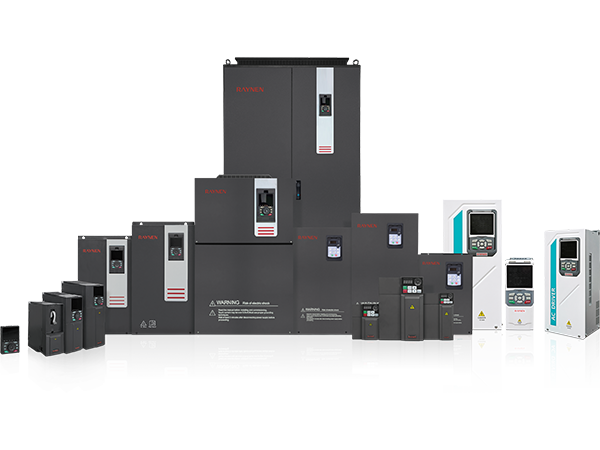
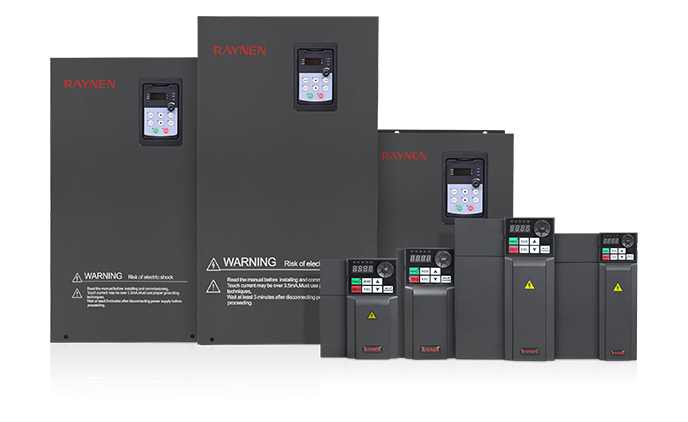
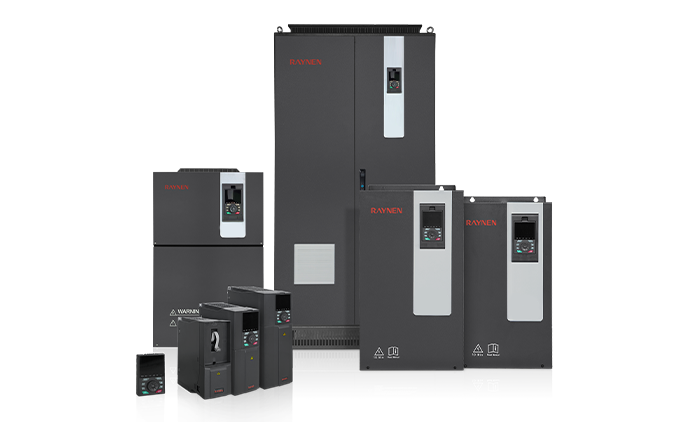
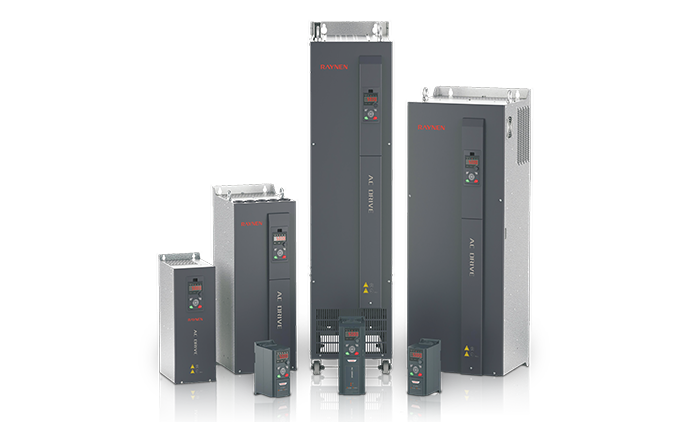
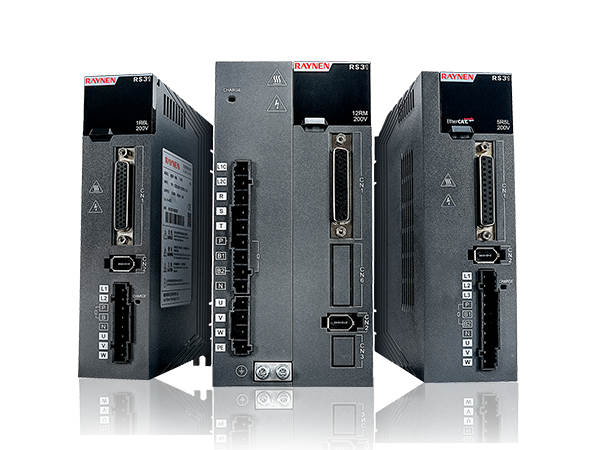





1.Introduction to AC Drives (Variable Frequency Drives) In the realm of modern industrial control an......
READ MOREHow Can a Low-Voltage VFD Optimize Your Industrial Motor Performance?
Content
Understanding the Mechanics of Low-Voltage Variable Frequency Drives
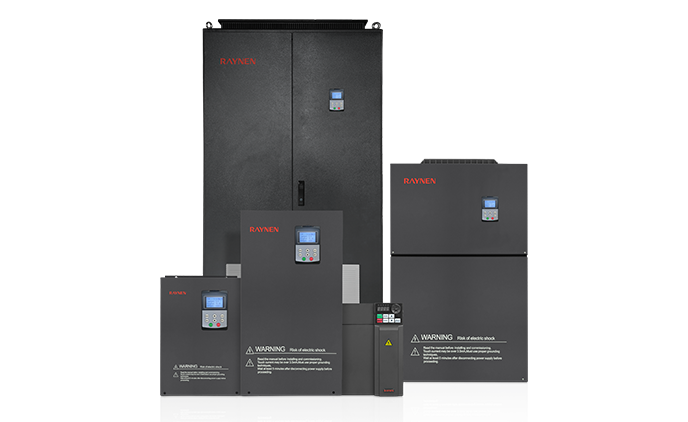
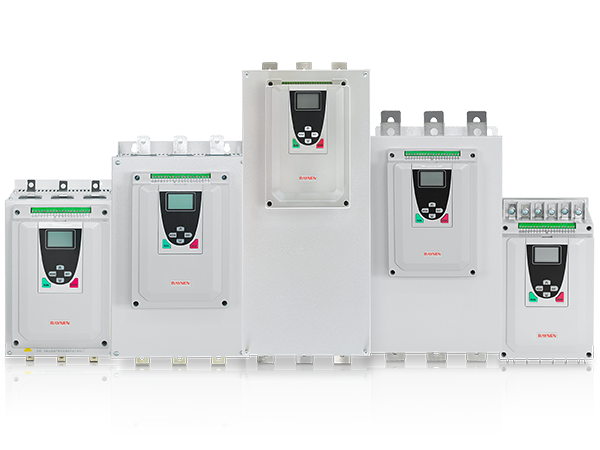
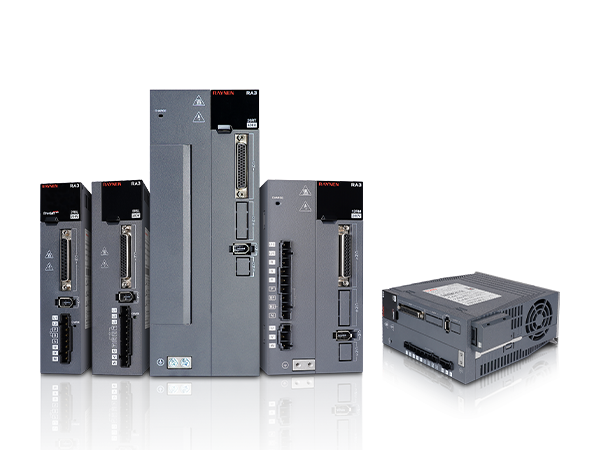
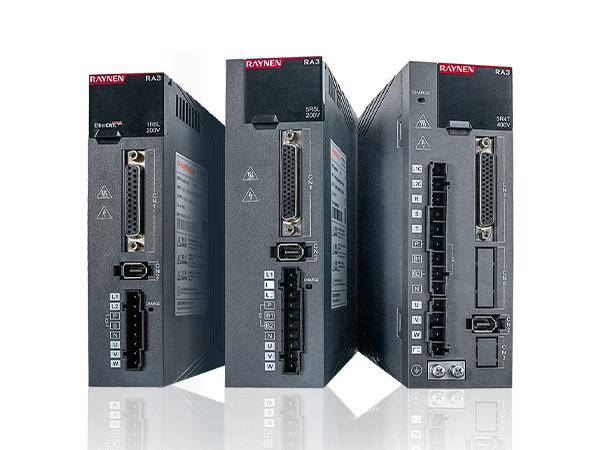
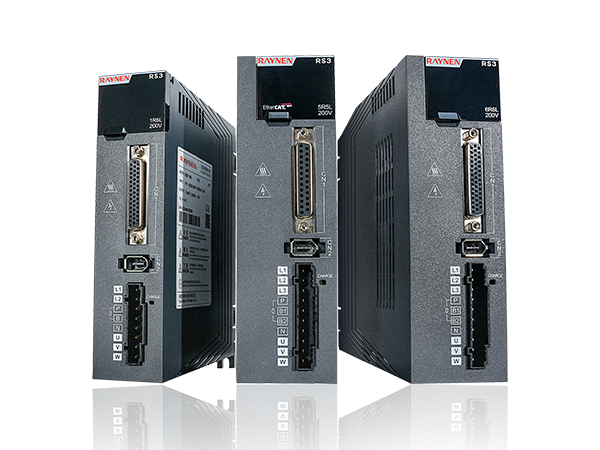
A Low-Voltage VFD (Variable Frequency Drive) is an essential power electronic device used to control the speed and torque of AC motors by varying the input frequency and voltage. Operating typically below 600V, these drives are the backbone of modern automation, bridging the gap between raw power supply and precise mechanical execution. By converting fixed-grid 50/60Hz power into a customizable output, the LV VFD allows operators to fine-tune motor behavior to meet specific application demands rather than running at a constant, inefficient full speed.
The internal architecture of these drives usually consists of a rectifier bridge, a DC bus for energy storage, and an inverter stage using Insulated Gate Bipolar Transistors (IGBTs). This sophisticated setup ensures that the low-voltage drive system provides a smooth start-up, eliminating the high inrush currents often associated with across-the-line starting. This not only protects the motor windings from thermal stress but also stabilizes the surrounding electrical grid.
Key Technical Specifications and Performance Metrics
When selecting a low-voltage AC drive, engineers must evaluate several critical parameters to ensure compatibility with the driven load. The following table summarizes the primary metrics considered during the integration of low-voltage motor controllers.
| Parameter | Typical Range | Impact on Operation |
| Input Voltage | 230V - 575V AC | Determines grid compatibility |
| Control Method | V/f or Vector Control | Affects torque precision |
| Overload Capacity | 110% - 150% | Defines heavy-duty vs. light-duty use |
Practical Benefits of Implementing Low-Voltage VFDs
Significant Energy Savings
One of the most compelling reasons for adopting low-voltage frequency converters is the reduction in energy consumption. In centrifugal pump and fan applications, the Affinity Laws dictate that power consumption is proportional to the cube of the speed. By reducing the motor speed via the VFD by just 20%, energy usage can be cut by nearly 50%, leading to a rapid return on investment through lower utility bills.

Enhanced Process Control
Beyond simple energy efficiency, low-voltage motor drives allow for high-precision process regulation. Whether it is maintaining a specific pressure in a water line or synchronizing conveyor speeds in a packaging facility, the VFD provides the necessary feedback loops (often via PID control) to adjust motor output in real-time, ensuring consistent product quality and reduced waste.
Maintenance and Safety Considerations for Drive Systems
To ensure the longevity of a Low-Voltage VFD, regular maintenance protocols must be established. Because these devices generate heat during the power conversion process, cooling systems—whether heat sinks or internal fans—must be kept clear of dust and debris. Furthermore, the electrical environment should be monitored for harmonic distortion, which can sometimes interfere with sensitive electronics if not properly filtered.
Safety is paramount when dealing with low-voltage industrial drives. Modern units often include integrated safety features to protect both the machine and the operator:
- Safe Torque Off (STO) to prevent unexpected motor restarts.
- Short-circuit and ground fault protection to prevent catastrophic hardware failure.
- Overvoltage and undervoltage monitoring to handle fluctuating grid conditions.
- Thermal overload sensors to protect the motor from excessive heat during low-speed, high-torque operations.
Previous Post
What a VFD Frequency Drive Actually Does
Next Post
Mastering Programmable Logic Controllers: Unlocking Automation Efficiency in Modern Industries

Copyright 2024 Fujian Raynen Technology Co.,Ltd. All Rights Reserved.
Privacy Policy  Motor Control Manufacturers