English
 Español
 عربى
عربى
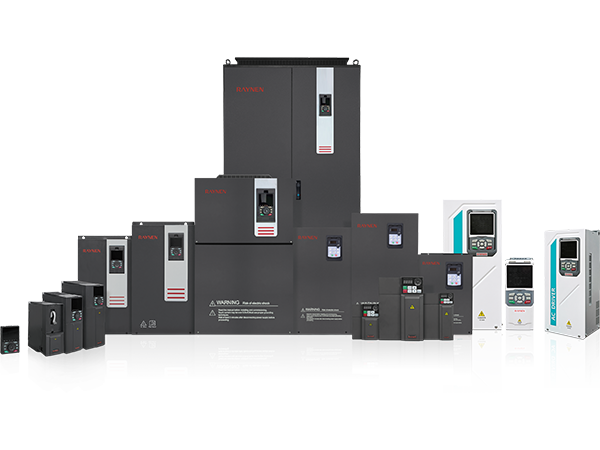
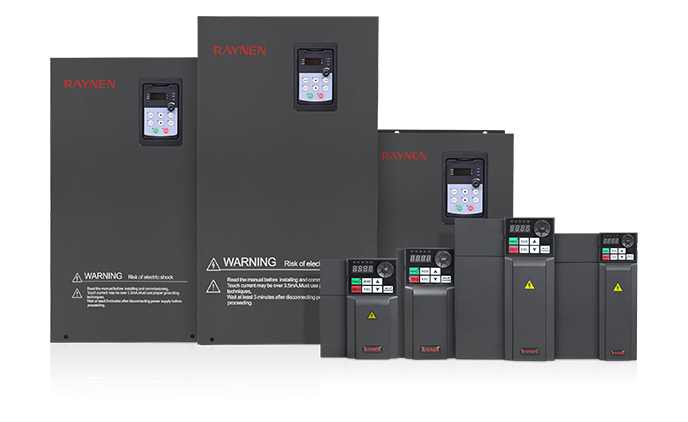
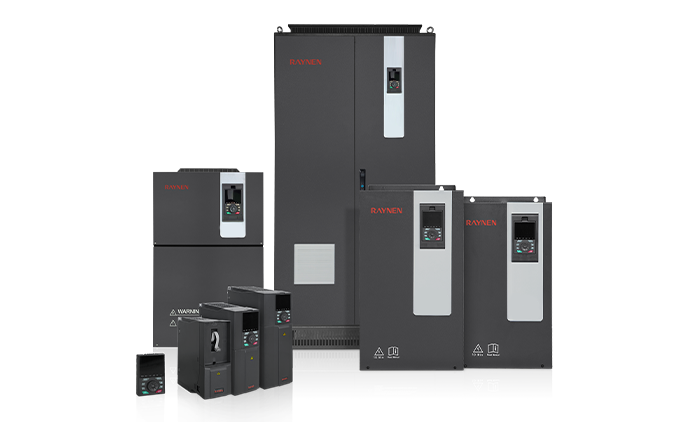
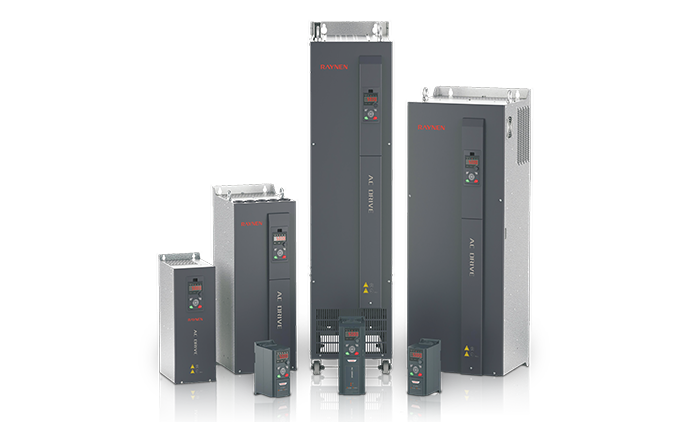
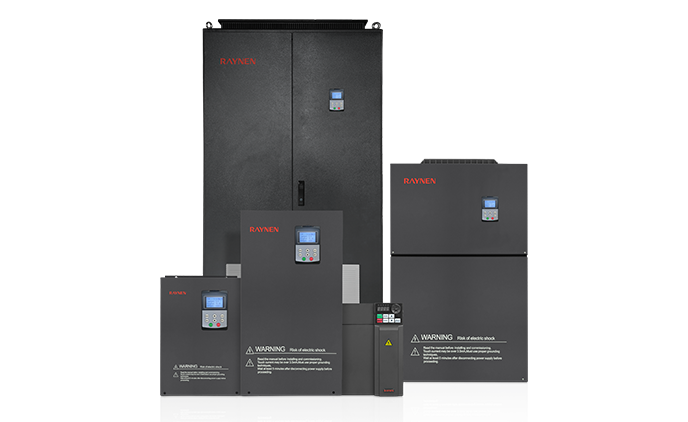
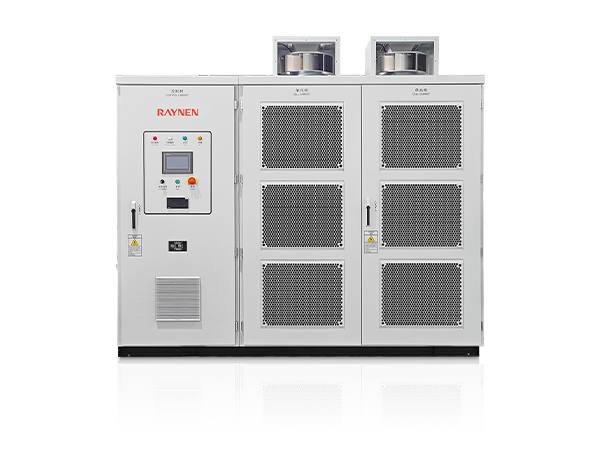
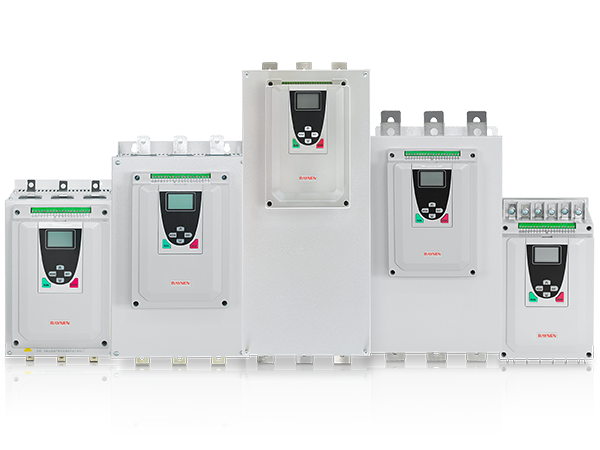
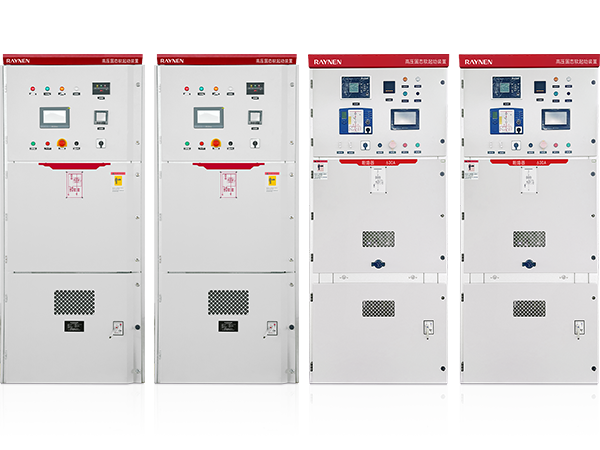
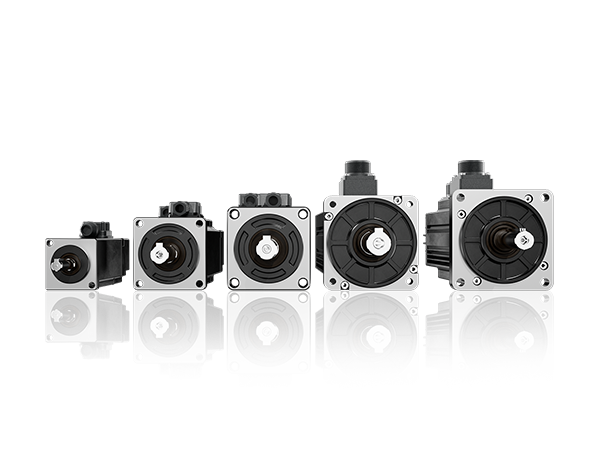
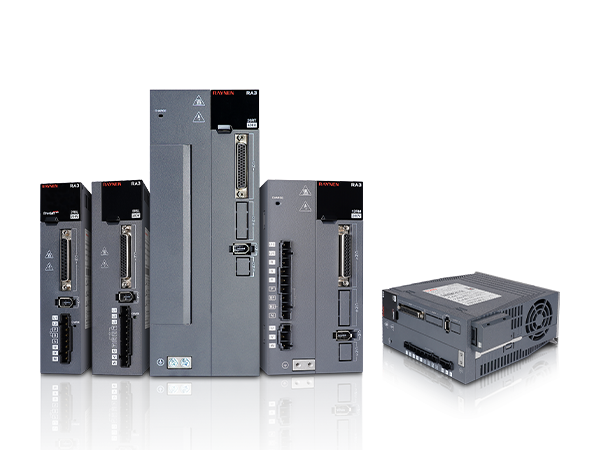
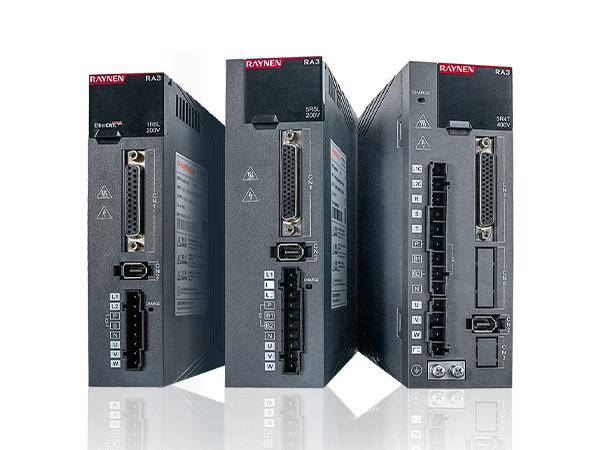
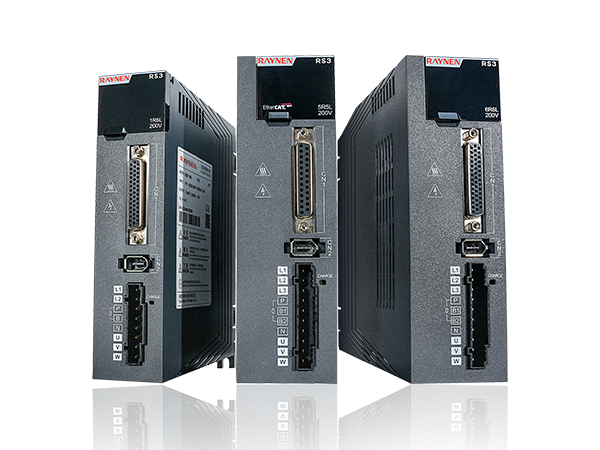
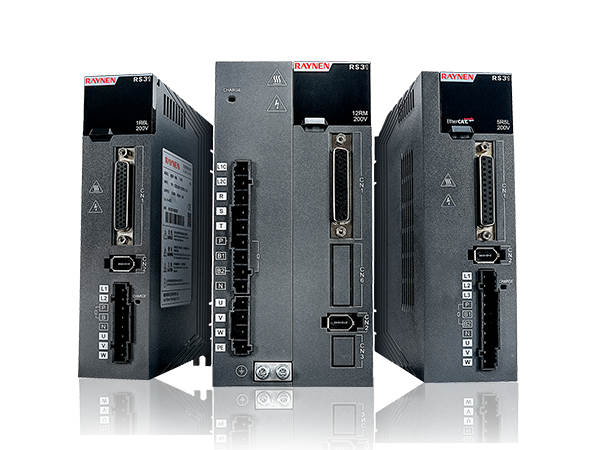







1.Introduction to AC Drives (Variable Frequency Drives) In the realm of modern industrial control an......
READ MOREHome / News / Industry News / Mastering Programmable Logic Controllers: Unlocking Automation Efficiency in Modern Industries
Mastering Programmable Logic Controllers: Unlocking Automation Efficiency in Modern Industries
Content
Introduction to Programmable Logic Controllers (PLCs)
Programmable Logic Controllers (PLCs) are specialized industrial computers designed to automate machinery and processes. Unlike traditional computers, PLCs are built to withstand harsh industrial environments, including extreme temperatures, humidity, dust, and vibration. They are widely used in manufacturing, energy, and process industries to provide reliable and real-time control of equipment, reducing human error and improving operational efficiency.
Core Components and Architecture of PLCs
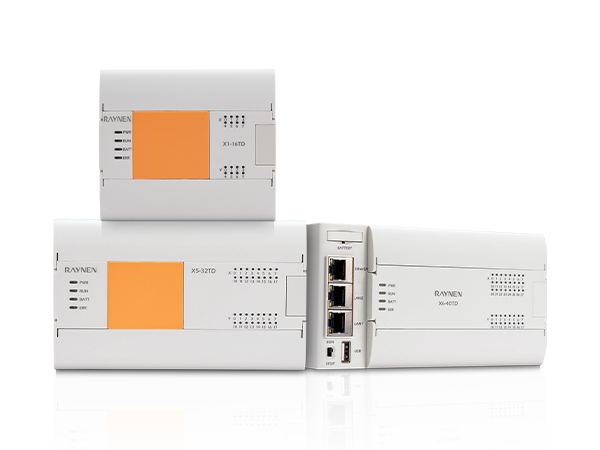
A PLC consists of several critical components that work together to execute control tasks. These include the central processing unit (CPU), input/output (I/O) modules, power supply, and communication interfaces. The CPU serves as the brain of the PLC, executing the user-defined program, while I/O modules connect the PLC to sensors, actuators, and other devices. Modern PLCs also incorporate networking capabilities, enabling integration with supervisory control systems and industrial IoT devices.
The architecture of a PLC can be either modular or compact. Modular PLCs allow users to add or replace I/O modules as needed, providing flexibility for complex applications. Compact PLCs integrate I/O modules and the CPU in a single unit, offering a smaller footprint for simpler control tasks.
Programming Methods and Languages
PLCs can be programmed using several standardized languages defined by the IEC 61131-3 standard. These include:
- Ladder Logic (LD): A graphical language resembling electrical relay logic, widely used in manufacturing automation.
- Function Block Diagram (FBD): A graphical method that uses function blocks to design control systems.
- Structured Text (ST): A high-level textual language for complex control algorithms.
- Instruction List (IL): A low-level, assembly-like language used for detailed control programming.
- Sequential Function Chart (SFC): A graphical language for designing sequential operations in processes.
Applications of PLCs in Modern Industries
PLCs are used in a diverse range of applications, from simple machine automation to complex industrial processes. Key areas include:
- Manufacturing: Controlling assembly lines, robotic arms, and packaging systems for precision and consistency.
- Energy: Monitoring and controlling power generation plants, substations, and renewable energy systems.
- Water and Waste Management: Automating pumps, valves, and filtration systems for efficient operations.
- Transportation: Managing traffic signals, automated gates, and railway signaling systems.
Advantages and Challenges of PLC Implementation
PLCs offer numerous benefits to industries, including high reliability, scalability, and ease of programming. Their real-time operation ensures precise control of industrial equipment, minimizing downtime and maintenance costs. Additionally, PLCs can integrate with modern monitoring systems to support predictive maintenance and energy optimization.
However, implementing PLC systems also comes with challenges. Initial setup costs can be high, and specialized knowledge is required for programming and troubleshooting. Moreover, as industrial systems become more interconnected, cybersecurity risks emerge, necessitating robust security protocols and regular updates.
Future Trends in PLC Technology
The future of PLCs is closely tied to the rise of Industry 4.0 and smart manufacturing. Trends include:
- Integration with Industrial IoT (IIoT) for real-time data analytics and predictive maintenance.
- Edge computing capabilities to reduce latency and enhance decision-making on-site.
- Enhanced cybersecurity features to protect critical industrial systems from threats.
- Adoption of AI and machine learning to optimize processes and energy consumption.
As industries evolve, PLCs will remain a cornerstone of automation, driving efficiency, safety, and innovation across manufacturing and process control environments.
Previous Post
How Can a Low-Voltage VFD Optimize Your Industrial Motor Performance?
Next Post
Optimizing Industrial Motor Performance with Medium-Voltage Soft Starters

Copyright 2024 Fujian Raynen Technology Co.,Ltd. All Rights Reserved.
Privacy Policy  Motor Control Manufacturers