English
 Español
 عربى

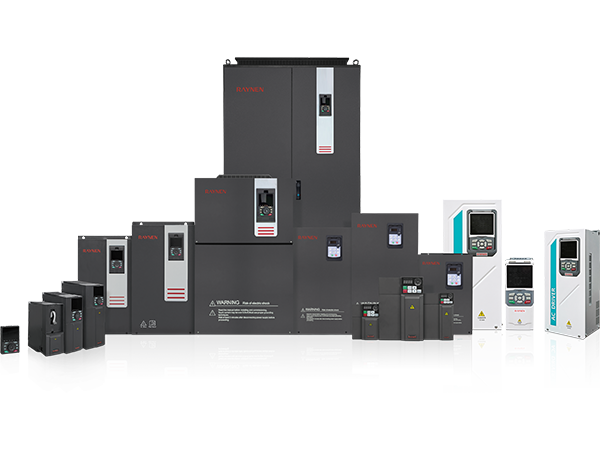
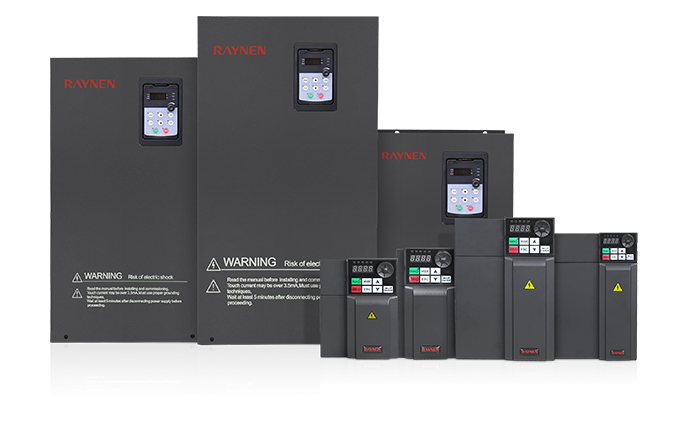
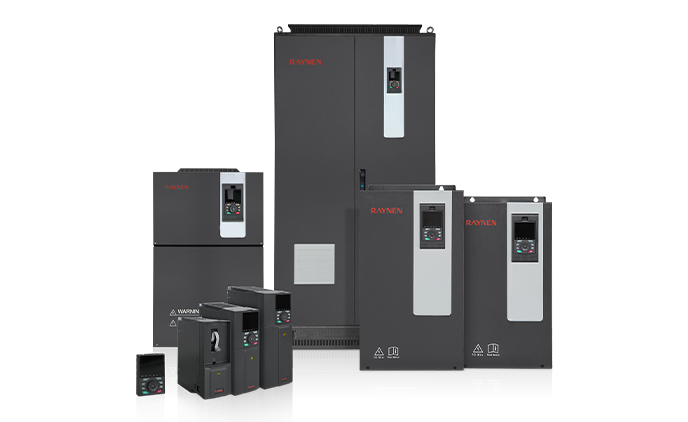
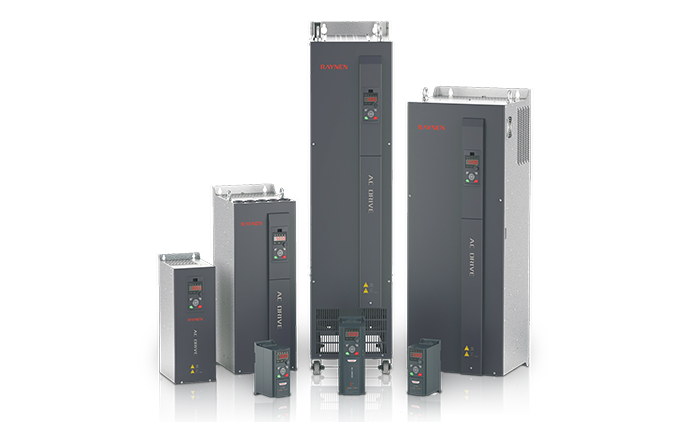
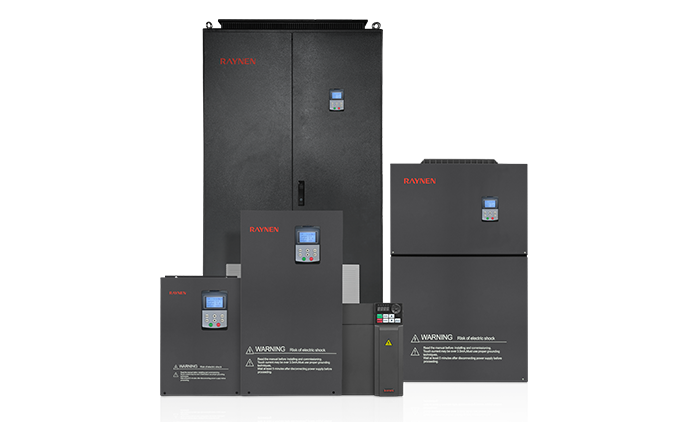
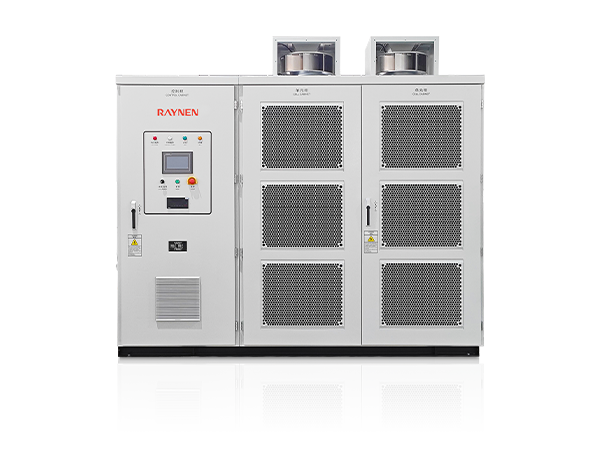
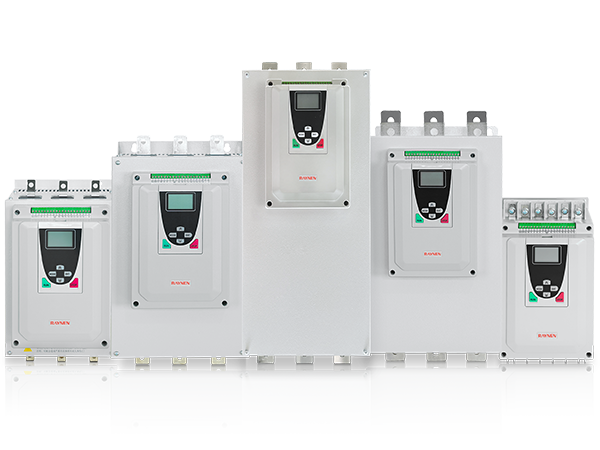
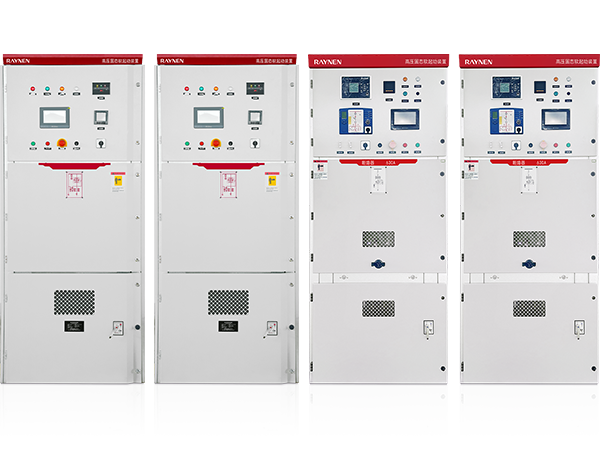










1.Introduction to AC Drives (Variable Frequency Drives) In the realm of modern industrial control an......
READ MOREHome / News / Industry News / Industrial Servo Motor Guide: How It Works, Types, Selection, and Maintenance
Industrial Servo Motor Guide: How It Works, Types, Selection, and Maintenance
A servo motor is more than a motor that turns. It is the motion end of a closed-loop system that receives a command, moves with purpose, and checks whether the result matches the instruction. That feedback loop is what makes servo motors so useful in machine tools, packaging lines, robotics, printing equipment, and other applications where position, speed, or torque must be controlled with care.
If you are specifying a servo motor for the first time, the language can feel dense: encoders, drives, inertia, resolution, tuning, duty cycles. This guide walks through the essentials in plain terms, from how a servo motor works to the practical questions that shape selection, installation, and maintenance.
Content
What Is a Servo Motor?
A servo motor is a rotary or linear actuator designed to control position, velocity, or torque precisely. It does not work alone. A servo drive supplies and regulates power, a controller issues motion commands, and a feedback device reports what the motor is actually doing. The drive compares the command with the feedback and corrects the difference, often many times per second.
That closed-loop behavior separates a servo motor from a simple fixed-speed motor. A standard induction motor may run at a near-constant speed once connected to the supply. A servo motor can accelerate, hold position, reverse, follow a motion profile, and adjust to changing load conditions. The result is controlled motion rather than just rotation.
Servo motors appear in many forms, but they share a common purpose: making a machine behave predictably. Our industrial automation background includes servo motors, servo drives, PLCs, HMIs, and related control products, so we tend to look at the motor as part of a complete motion system rather than an isolated component. You can read more about our industrial automation background if you want the wider context.
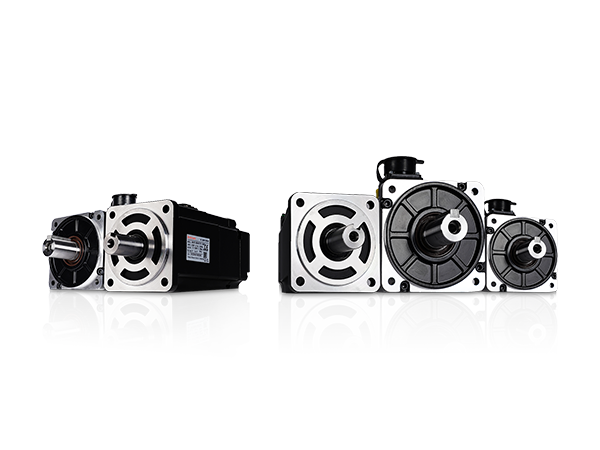
For demanding positioning tasks, the MA3 high-performance servo motor family is designed for engineers who need a strong starting point for dynamic motion applications.
 MA3 High-Performance Servo Motor SuppliersMA3S Motor model: MA3S-M04010F-□□□□ Inertia level: low Voltage (V): 220 MA3H Motor model: MA3H-M13085C-□□□□ / MA3H-M13130C-□□□□ Inertia level: tall Voltage (V): 220View Product →
How a Servo Motor Works
The basic sequence is straightforward, even if the engineering behind it is not. A motion controller sends a command to the servo drive. The drive translates that command into voltage and current for the motor. The motor produces torque, and an encoder or resolver reports position and speed back to the drive. The drive then adjusts its output to reduce error.
- The controller defines the target position, speed, or torque.
- The servo drive converts the command into motor current and voltage.
- The motor moves the load through a gearbox, belt, screw, or direct coupling.
- The feedback device measures actual motion.
- The drive compares actual and commanded values, then corrects the output.
This loop repeats continuously. Good tuning helps the system respond quickly without overshooting or becoming unstable. Mechanical design matters just as much: a stiff frame, proper coupling alignment, and sensible inertia matching often do more for performance than aggressive gain settings.
Encoders deserve a special mention. Incremental encoders report relative movement, while absolute encoders know their position even after power is removed. Resolution, communication protocol, and environmental protection all affect how well the feedback system suits a given machine.
Common Servo Motor Types and Components
Servo motors are grouped in several ways, and the right choice depends on the application rather than on a single “best” type.
AC and DC servo motors
AC servo motors are common in industrial machinery because they offer good power density, efficiency, and reliability. DC servo motors are still found in smaller or older systems, but modern industrial designs tend to favor AC solutions. Within both families, brushed and brushless designs exist. Brushless motors avoid brush wear and are usually preferred for continuous industrial duty.
Rotary and linear motion
Rotary servo motors drive screws, belts, gears, and direct-coupled loads. Linear servo motors produce motion directly without a screw or belt, which can suit high-speed or high-precision applications. Rotary systems are more familiar and often easier to integrate mechanically, while linear systems can reduce wear points and improve dynamic response in the right machine design.
Core components
- The stator and rotor, which generate torque.
- Bearings and a shaft that carry mechanical load.
- An encoder or resolver for feedback.
- A brake, in many vertical or holding applications.
- Connectors, cables, and thermal protection.
- A compatible servo drive and controller.
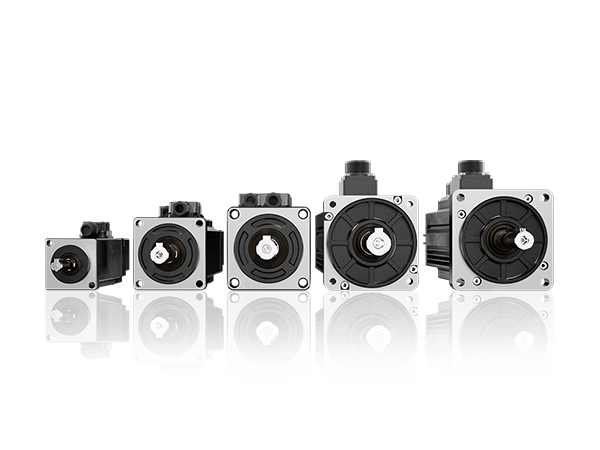
If the application needs a practical balance between cost and performance, the MC2X economical servo motor family is a sensible place to compare options.
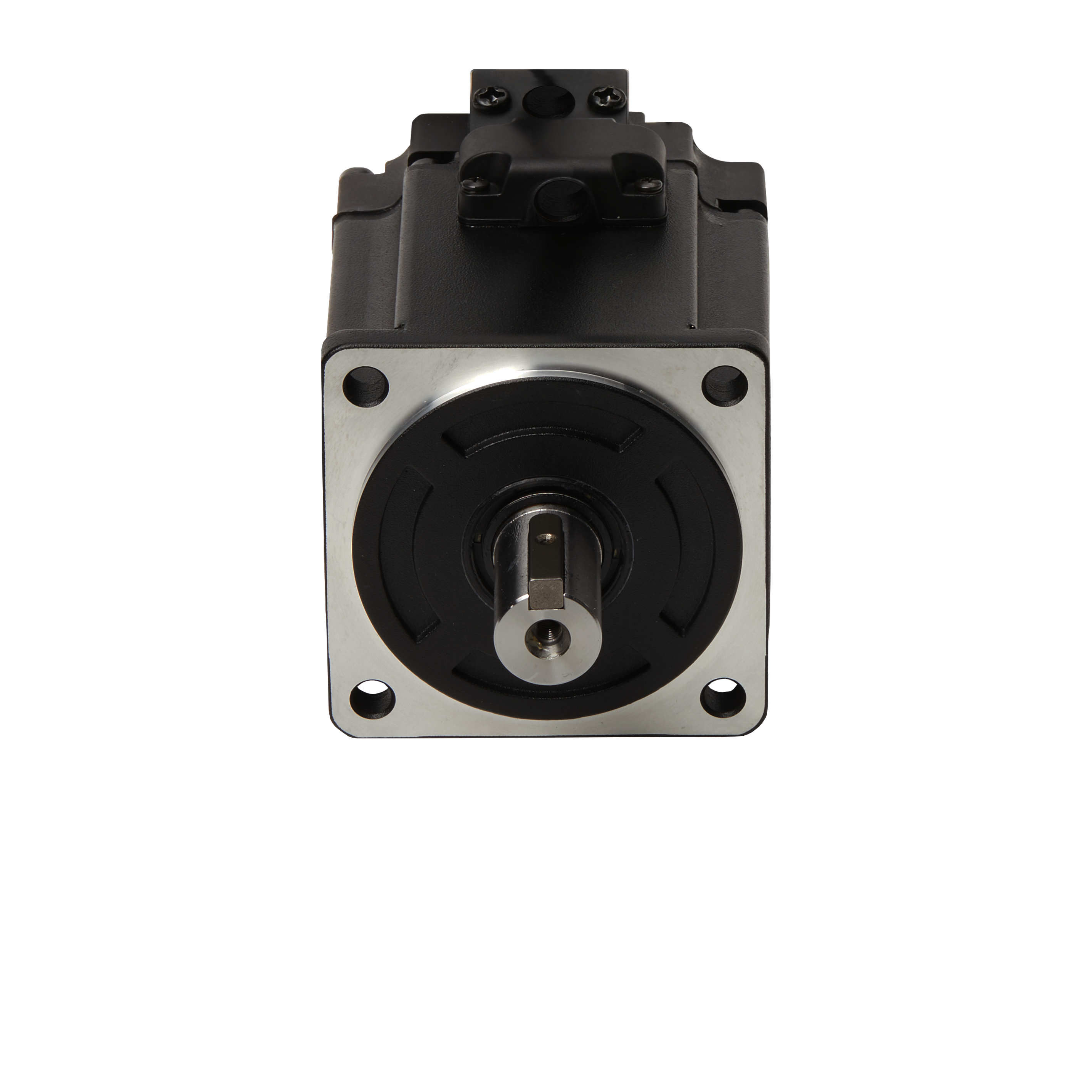 MC2X Economical Servo Motor SeriesCompare this economical servo motor family with listed 11–22 kW models for applications needing a cost-performance balance.View Product →
How to Select a Servo Motor
Selection starts with the load, not the catalog page. Work out the required torque, speed, acceleration, and duty cycle. Then consider inertia, mounting, available space, supply voltage, feedback needs, and the environment. A motor that looks good on paper can still be a poor fit if the cables are too short, the brake is missing, or the drive cannot support the encoder protocol.
- Define the motion profile, including acceleration and deceleration.
- Calculate continuous and peak torque with a suitable safety margin.
- Check speed at the motor shaft after gear reduction.
- Match load inertia to the motor and drive capability.
- Confirm voltage, current, encoder type, and drive compatibility.
- Review ambient temperature, dust, moisture, vibration, and mounting position.
| Selection priority | What to check | Practical effect |
|---|---|---|
| Positioning accuracy | Encoder resolution, mechanical stiffness, backlash | Finer control and repeatable placement |
| Dynamic response | Inertia ratio, peak torque, drive bandwidth | Faster settling with less overshoot |
| Continuous duty | Thermal margin, duty cycle, cooling | Reliable operation without overheating |
| Installation fit | Frame size, shaft, brake, connectors, cable routing | Fewer mechanical surprises during commissioning |
For general industrial motion where a robust universal option is useful, the MC2Y universal He Fu motor family can be evaluated alongside the drive and control architecture.
 MC2Y Universal He Fu Motor SeriesReview this universal servo motor series with selectable power, voltage, flange, and encoder options before confirming drive compatibility.View Product →
When several requirements compete, it helps to review the application with the motor and drive supplier before locking the bill of materials. Our technical support team can help check compatibility and documentation.
Where Servo Motors Fit in Industrial Automation
Servo motors are used wherever a machine must move with repeatability and control. In machine tools, they position axes and tools. In packaging, they synchronize sealing, cutting, and feeding. In material handling, they drive conveyors, shuttles, and lifting mechanisms. Printing, textile, food processing, and assembly equipment also rely on servo motion for accurate registration and fast changeovers.
Not every axis needs the same specification. A high-performance motor may be justified on a critical positioning axis, while a compact or economical model may suit a secondary handling function. The engineering task is to match the motor, drive, feedback, and mechanics to the real duty cycle rather than over-specifying every axis or under-specifying the one that matters most.
Installation, Maintenance, and Troubleshooting
Good installation protects performance. Mount the motor securely, align couplings carefully, use the specified cables, and follow grounding and shielding guidance. Keep encoder cables away from high-power conductors where possible, and verify that the drive parameters match the motor nameplate and feedback type. Save a backup of working parameters after commissioning.
Routine maintenance
- Inspect connectors, cable glands, and cable movement regularly.
- Keep cooling paths and motor surfaces free of dust and obstructions.
- Listen for new bearing noise or vibration during operation.
- Check for overheating, unusual smells, or alarm history.
- Review belt, coupling, and screw alignment after mechanical service.
Common problems
Overheating can come from overload, poor cooling, incorrect parameters, or excessive gain. Abnormal noise may point to bearing wear, misalignment, or resonance. Smoke or a burning smell requires an immediate stop and inspection. Reduced torque can result from drive limits, brake drag, mechanical binding, or a feedback fault. Troubleshooting should start with the simplest checks: power, wiring, mechanical freedom, alarm codes, and parameter history.
Servo Motors vs Other Motor Technologies
Servo motors are not automatically the right answer for every machine. Compared with stepper motors, they usually offer closed-loop control, higher speed, and better performance under varying load, but at a higher system cost. Compared with induction motors controlled by a variable frequency drive, servo systems provide tighter positioning and faster dynamic response, while VFDs often remain a practical choice for fans, pumps, and simple speed control.
The useful question is not “Which motor is best?” but “Which motion solution fits this load, accuracy target, duty cycle, and budget?” A servo motor earns its place when controlled position, speed, torque, or synchronization delivers real value to the machine.
Final Thoughts
A servo motor is a controlled motion system built around feedback, a drive, and a motor that works together with the mechanics. Understanding the loop, the load, and the operating environment makes selection far less mysterious. Start with the motion profile, confirm the torque and speed margins, check the drive and encoder compatibility, and leave room for commissioning and maintenance.
Whether you are upgrading an existing machine or designing a new axis, the most reliable results come from matching components with care and testing the system under realistic conditions. That practical, application-first approach is how a servo motor becomes a dependable part of the machine rather than an expensive component that never quite performs as expected.
Previous Post
No previous article
Next Post
A Practical Guide to Servo Drive: Uses, Selection, and Key Considerations

Copyright 2024 Fujian Raynen Technology Co.,Ltd. All Rights Reserved.
Privacy Policy  Motor Control Manufacturers