English
 Español
 عربى

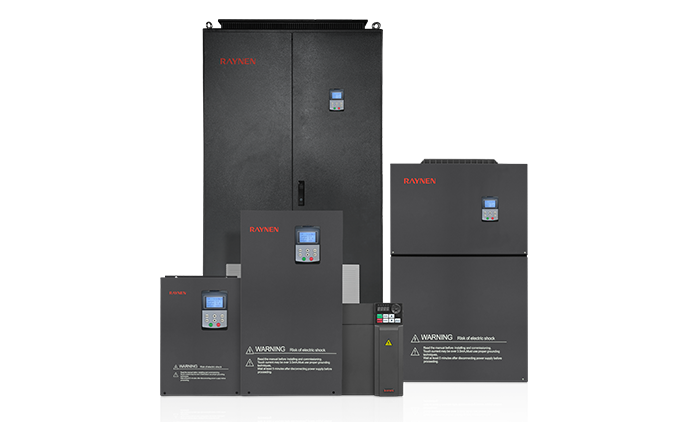
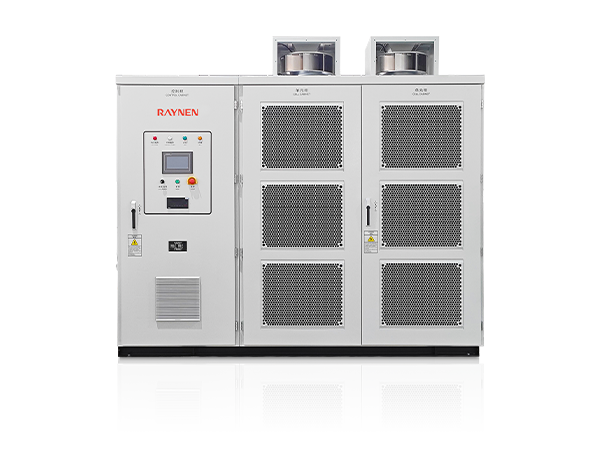
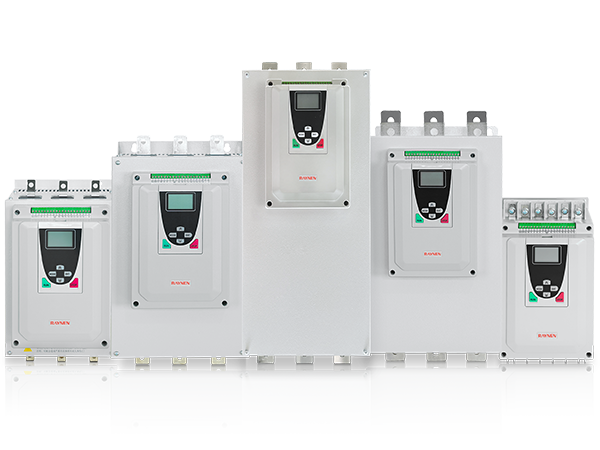
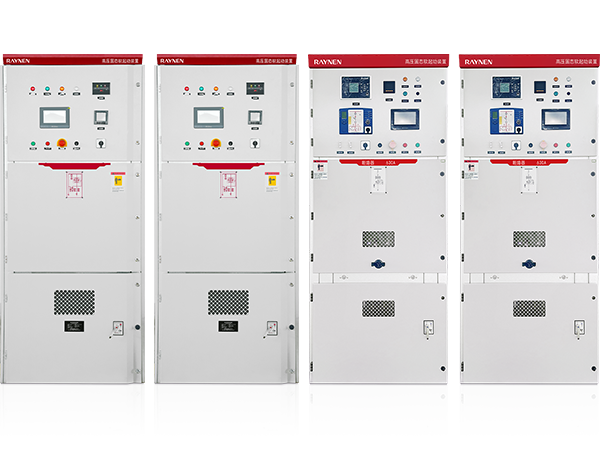
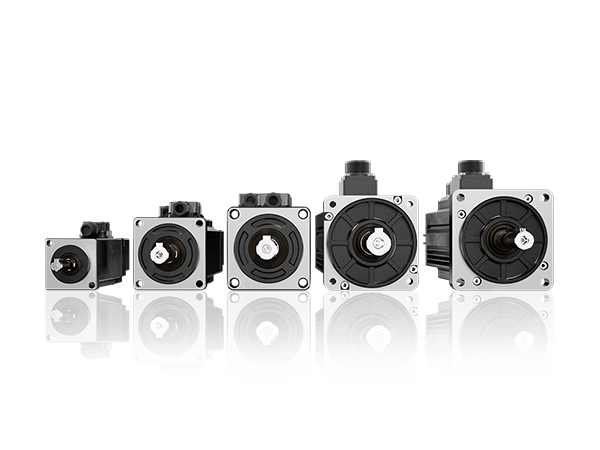
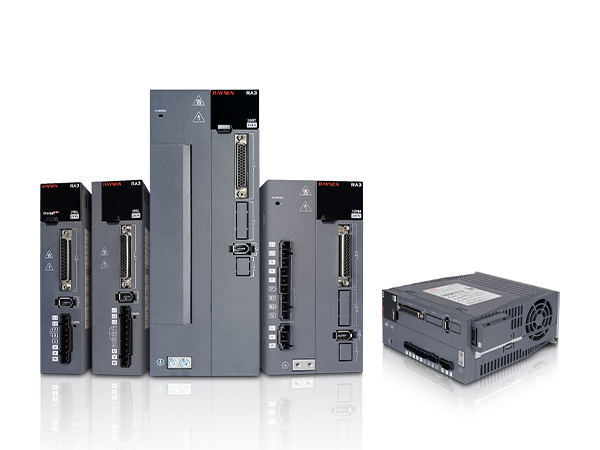
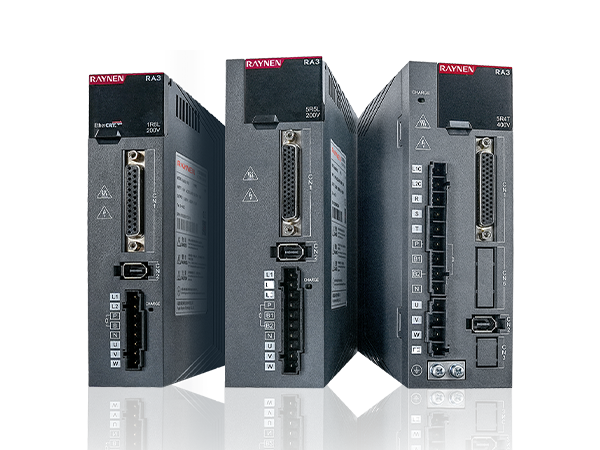
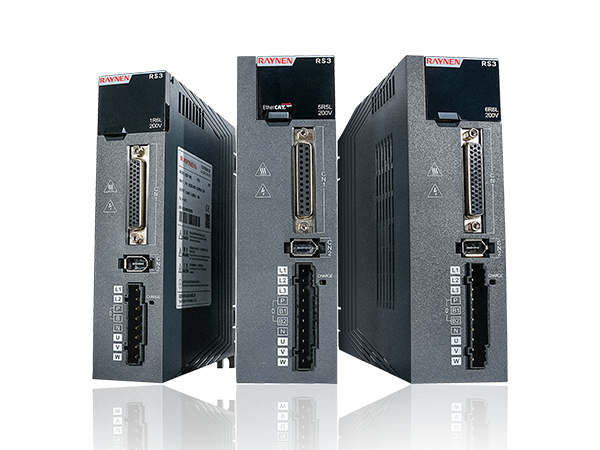





1.Introduction to AC Drives (Variable Frequency Drives) In the realm of modern industrial control an......
READ MORELow Voltage AC Drives: A Practical Overview
Content
Introduction
Electric motors consume roughly 45% of the world’s electricity, and most of them run at a fixed speed whether the load needs it or not. Low voltage AC drives, also called variable frequency drives (VFDs) or adjustable speed drives (ASDs), change that. By controlling the frequency and voltage supplied to an AC motor, they let the motor deliver exactly the speed and torque the process requires, saving energy, improving process control, and extending equipment life.
In industry terminology, “low voltage” generally refers to drives operating at supply voltages up to 690 V AC, with the most common ratings being 230 V, 400/415 V, 460 V, 575 V, and 690 V. Power ranges span from a fraction of a kilowatt to several megawatts. Above this range, medium voltage drives (typically 2.3 kV to 13.8 kV) take over.
How a Low Voltage AC Drive Works
Almost all low voltage drives use the same fundamental architecture, built from three stages:
- Rectifier (converter) stage.Incoming three-phase AC is converted to DC. The most common design uses a six-pulse diode bridge. Active front end (AFE) designs use IGBTs instead, enabling regeneration and very low harmonic distortion.
- DC link.Capacitors, and sometimes a choke, smooth and store the DC energy. This stage decouples the rectifier from the inverter.
- Inverter stage.Insulated-gate bipolar transistors (IGBTs) switch the DC voltage at high speed, using pulse width modulation (PWM) to synthesize a variable-frequency, variable-voltage output that approximates a sine wave.
Since the speed of an AC induction motor is proportional to supply frequency, changing the output frequency changes motor speed smoothly across a wide range. The drive also adjusts voltage in proportion to frequency, keeping magnetic flux, and therefore torque capability, under control.
Control Methods
The control strategy determines how well a drive performs. The main options are:
- Scalar (V/Hz) control.The simplest method, holding a constant voltage-to-frequency ratio. It suits fans, pumps, and general-purpose applications where precise speed or torque control is not critical.
- Sensorless vector control.Uses a mathematical model of the motor to separate torque-producing and flux-producing current, giving much better low-speed torque and dynamic response without a speed sensor.
- Closed-loop vector control.Adds an encoder or resolver for precise speed and position feedback. It is used in cranes, elevators, winders, and machine tools.
- Direct torque control (DTC).Controls motor torque and flux directly, without a PWM modulator, offering very fast torque response.
Modern drives also support permanent magnet (PM) and synchronous reluctance (SynRM) motors, which deliver higher efficiency than traditional induction motors.
Key Benefits
Energy savings. For centrifugal loads such as fans and pumps, power consumption varies with the cube of speed according to the affinity laws. Reducing speed by 20% can cut power use by nearly 50%. This is the single largest reason for drive adoption, and payback periods are often under two years.
Soft starting and reduced mechanical stress. Across-the-line starting can draw six to eight times rated current and subject couplings, gearboxes, and belts to severe shock. A drive ramps the motor up gently, limiting inrush current and mechanical wear.
Precise process control. Drives maintain accurate speed, torque, pressure, flow, or tension, often through built-in PID controllers, improving product quality and consistency.
Improved power factor. Because the DC link isolates the motor from the grid, the drive presents a high displacement power factor to the supply regardless of motor loading.
Reduced maintenance and downtime. Less mechanical shock, along with built-in motor protection and diagnostics, extends the life of both motors and driven equipment.

Typical Applications
- HVAC and building services:air handling units, chillers, cooling towers, and ventilation fans
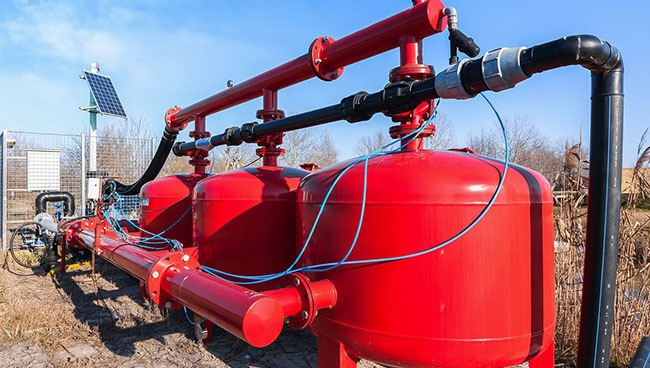
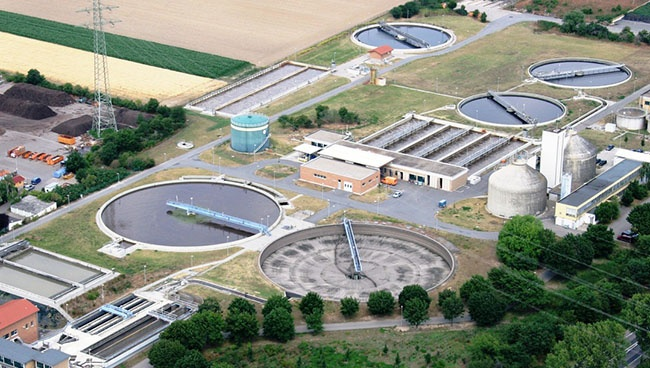
- Water and wastewater:booster pumps, lift stations, aeration blowers
- Oil, gas, and mining:conveyors, crushers, pumping systems
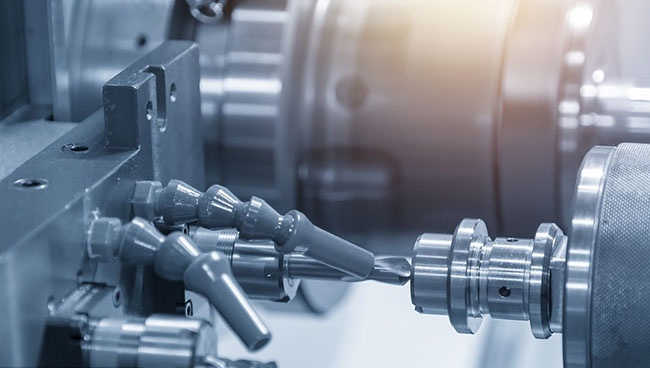
- Manufacturing:machine tools, packaging lines, extruders, textile machinery
- Material handling:cranes, hoists, conveyors, elevators
- Food and beverage:mixers, filling machines, pumps with hygienic requirements
- Renewables and e-mobility infrastructure:auxiliary systems, test benches, and regenerative applications
Selection Considerations
Choosing the right drive involves more than matching kilowatt ratings. Key factors include:
- Load type.Variable torque (fans, pumps) and constant torque (conveyors, compressors) loads demand different overload capabilities. Heavy-duty ratings usually allow 150% overload for 60 seconds; normal-duty ratings are lower.
- Supply conditions.Voltage level, short-circuit capacity, and harmonic limits (such as IEEE 519 or IEC 61000-3-12) may call for line reactors, passive or active harmonic filters, or AFE designs.
- Ambient temperature, altitude, humidity, dust, and corrosive atmospheres affect enclosure rating (IP20, IP54, IP66, or NEMA types) and derating.
- Motor and cable considerations.Long motor cables can cause reflected-wave voltage spikes and bearing currents. Output filters (dv/dt or sine filters) and insulated bearings may be needed.
- Braking and regeneration.Applications with overhauling loads or fast stops may require braking resistors or regenerative units that return energy to the grid.
- Safety functions.Integrated Safe Torque Off (STO), safe stop, and safe speed monitoring, certified to IEC 61800-5-2, simplify machine safety design.
- Support for industrial Ethernet protocols such as PROFINET, EtherNet/IP, Modbus TCP, and EtherCAT eases integration into PLC and SCADA systems.
Installation and Power Quality Best Practices
A drive is only as reliable as its installation. Good practice includes proper grounding and EMC-compliant wiring (shielded motor cables with 360° terminations), adequate cabinet ventilation, correct fusing and protective devices, and separation of power and signal cables. Harmonics and electromagnetic interference should be assessed early, especially in facilities with many drives or sensitive equipment.
Trends Shaping the Market
Digitalization and IoT. Modern drives act as edge devices, streaming data on current, temperature, vibration indicators, and energy use to cloud platforms for condition monitoring and predictive maintenance.
Wide-bandgap semiconductors. Silicon carbide (SiC) and gallium nitride (GaN) devices are beginning to appear in drives, enabling higher switching frequencies, smaller footprints, and lower losses.
Higher efficiency standards. IE-class system standards (such as IEC 61800-9) now rate the efficiency of the complete drive and motor system, pushing the industry toward IE2 and IE3 drive classes and IE4/IE5 motor systems.
Regenerative and low-harmonic designs. Utilities and facility owners increasingly require low harmonic distortion, driving wider use of active front ends and integrated filtering.
Cybersecurity. As drives connect to networks, standards such as IEC 62443 are becoming part of procurement requirements.
Compact and integrated designs. Motor-mounted and decentralized drives reduce cabinet space and wiring, particularly in conveyor and material handling systems.
Conclusion
Low voltage AC drives have evolved from simple speed controllers into intelligent, networked power electronics that sit at the heart of industrial automation and energy management. Selected and installed correctly, they reduce energy costs, protect equipment, and give engineers precise control over their processes. As efficiency regulations tighten and digital capabilities expand, the role of the low voltage drive will only grow, making a solid understanding of its principles, options, and trade-offs essential for any engineer, facility manager, or buyer working with electric motor systems.
Previous Post
No previous article
Next Post
Vector AC Drives Explained: How They Work, Where They Fit, and How to Choose

Copyright 2024 Fujian Raynen Technology Co.,Ltd. All Rights Reserved.
Privacy Policy  Motor Control Manufacturers