English
 Español
 عربى
عربى
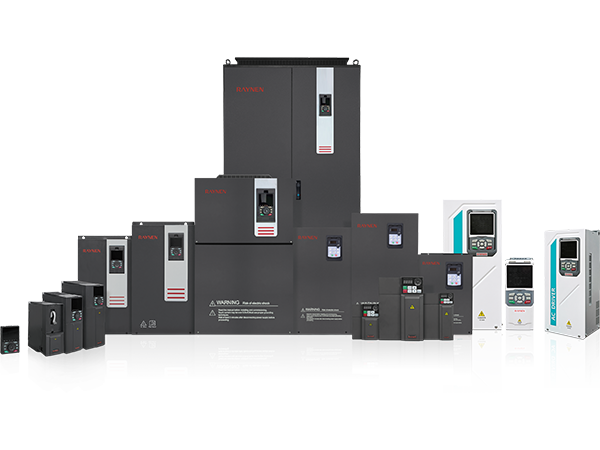
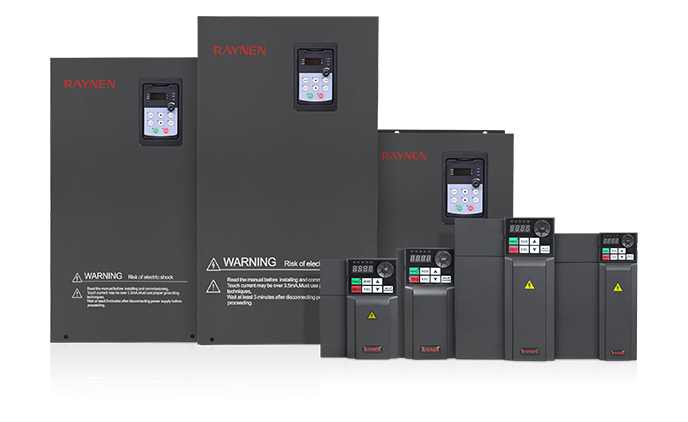
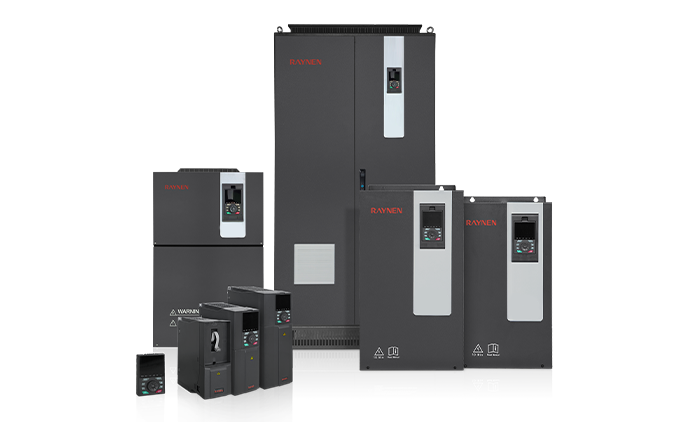
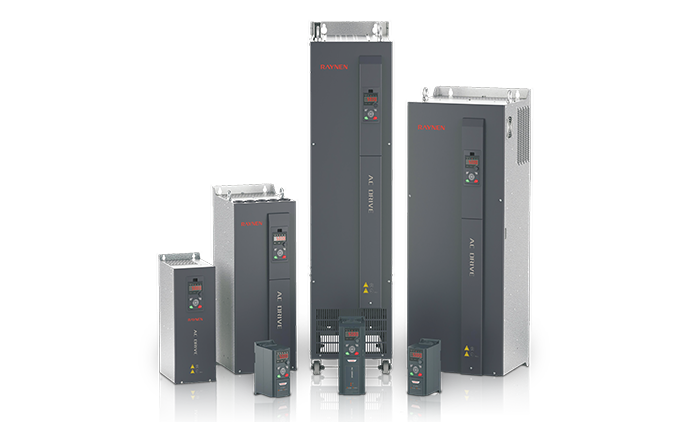
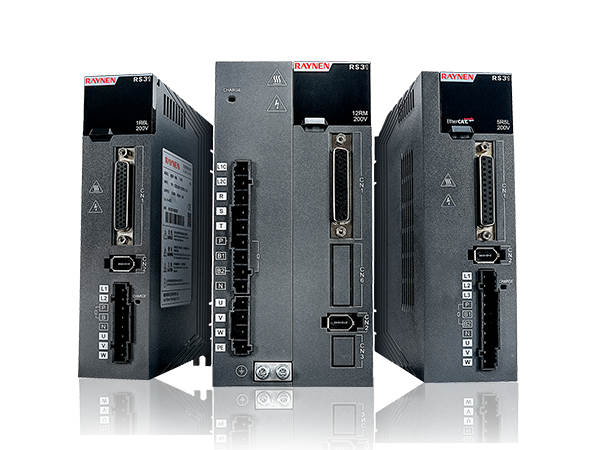







1.Introduction to AC Drives (Variable Frequency Drives) In the realm of modern industrial control an......
READ MOREHome / News / Industry News / Optimizing Industrial Motor Performance with Medium-Voltage Soft Starters
Optimizing Industrial Motor Performance with Medium-Voltage Soft Starters
Content
Understanding Medium-Voltage Soft Starters
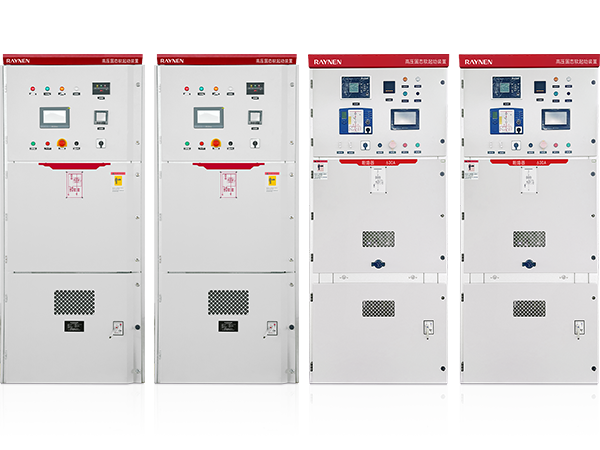
Medium-voltage soft starters are advanced electrical devices designed to regulate the acceleration and deceleration of medium-voltage motors, typically ranging from 2.3kV to 15kV. Unlike conventional starters, these devices provide a controlled voltage ramp-up to motors, significantly reducing mechanical stress, electrical peak currents, and energy consumption. By minimizing the initial surge, they extend the operational life of motors and connected machinery, making them essential for industrial applications such as pumps, compressors, conveyors, and fans.
Key Benefits of Medium-Voltage Soft Starters
Implementing a medium-voltage soft starter offers numerous operational and financial advantages. These devices help industries achieve smoother motor operation, reduced maintenance costs, and enhanced energy efficiency. Additionally, soft starters can integrate with automation systems to provide real-time monitoring and protection features. The key benefits include:
- Reduced mechanical wear on motor shafts and couplings due to controlled acceleration and deceleration.
- Lower inrush currents, preventing voltage dips and disturbances in electrical networks.
- Energy savings by minimizing unnecessary power spikes during start-up.
- Extended motor lifespan and reduced downtime from less frequent maintenance.
- Integrated protection against overload, phase failure, and overheating for safer operation.
Applications in Industrial Systems
Medium-voltage soft starters are widely adopted in industries where large motors are in continuous operation or where starting torque needs precise control. Common applications include water treatment facilities, mining operations, chemical processing, and manufacturing plants. In these systems, the soft starter ensures that motors operate reliably without causing mechanical shocks or electrical disturbances that could disrupt sensitive equipment.
Pump Systems
For large centrifugal and positive displacement pumps, medium-voltage soft starters prevent water hammer and mechanical stress by gradually increasing the motor speed. This controlled start reduces pipeline stress and prolongs the life of valves and fittings.
Conveyors and Material Handling
In heavy-duty conveyor systems, sudden starts can cause belt slippage, load shifts, and mechanical breakdowns. Soft starters enable smooth acceleration and deceleration, ensuring consistent material flow and minimizing maintenance costs.

Technical Considerations for Implementation
Selecting and implementing a medium-voltage soft starter requires careful consideration of motor characteristics, load type, and system parameters. Engineers must evaluate the rated voltage, current, starting torque requirements, and environmental conditions. Modern soft starters offer digital interfaces for monitoring and diagnostics, allowing predictive maintenance and performance optimization.
Integration with Automation Systems
Advanced medium-voltage soft starters can communicate with PLCs, SCADA systems, and other industrial automation networks. This connectivity provides real-time data on motor performance, energy consumption, and fault conditions, enabling timely intervention and improved operational efficiency.
Environmental and Safety Compliance
Soft starters also help facilities meet regulatory standards for electrical safety and energy efficiency. They reduce harmonic distortion and limit peak currents, which is critical for compliance in energy-sensitive industrial operations.
Choosing the Right Medium-Voltage Soft Starter
When selecting a medium-voltage soft starter, consider the specific needs of your motors and processes. Key factors include motor rating, load inertia, starting frequency, and environmental conditions. A comparison table can help evaluate different models:
| Feature | Basic Soft Starter | Advanced Digital Soft Starter |
| Voltage Range | 2.3kV–6kV | 2.3kV–15kV |
| Integrated Protection | Limited | Overload, Phase Loss, Overheating |
| Communication | None | PLC, SCADA, Ethernet/IP |
| Energy Monitoring | No | Yes |
Conclusion
Medium-voltage soft starters are indispensable for modern industrial operations that demand reliable, efficient, and safe motor control. By reducing mechanical stress, minimizing electrical disturbances, and offering advanced monitoring capabilities, these devices enhance productivity, lower operational costs, and prolong equipment lifespan. Choosing the right soft starter and integrating it into a comprehensive automation strategy ensures optimal performance for critical industrial applications.
Previous Post
Mastering Programmable Logic Controllers: Unlocking Automation Efficiency in Modern Industries
Next Post
Optimizing High-Power Motor Control: A Deep Dive into Medium-Voltage Soft Starter Technology

Copyright 2024 Fujian Raynen Technology Co.,Ltd. All Rights Reserved.
Privacy Policy  Motor Control Manufacturers