English
 Español
 عربى
عربى
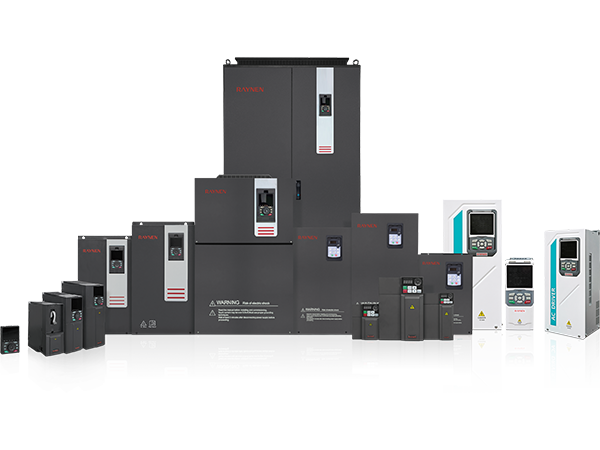
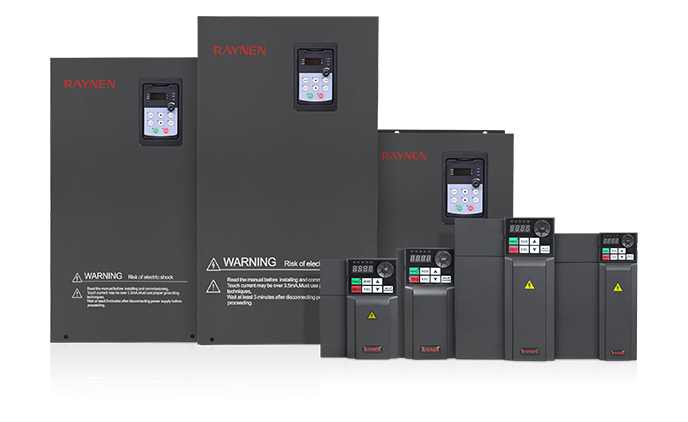
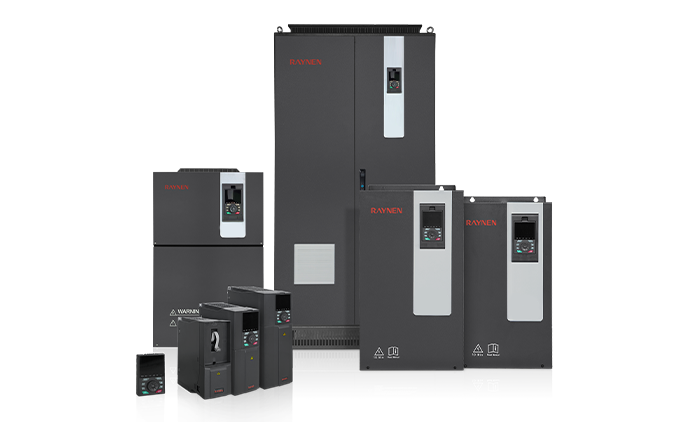
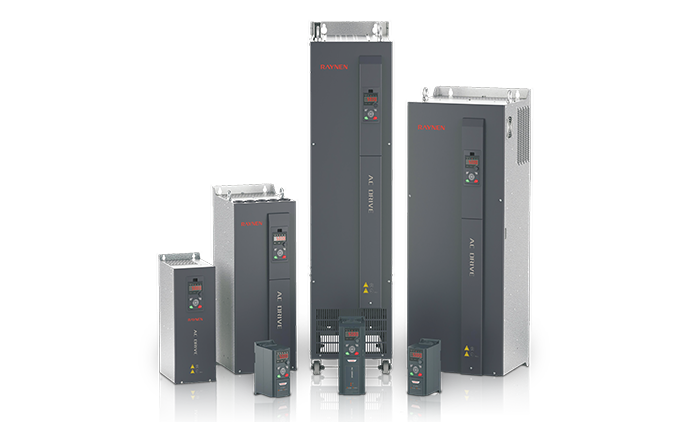
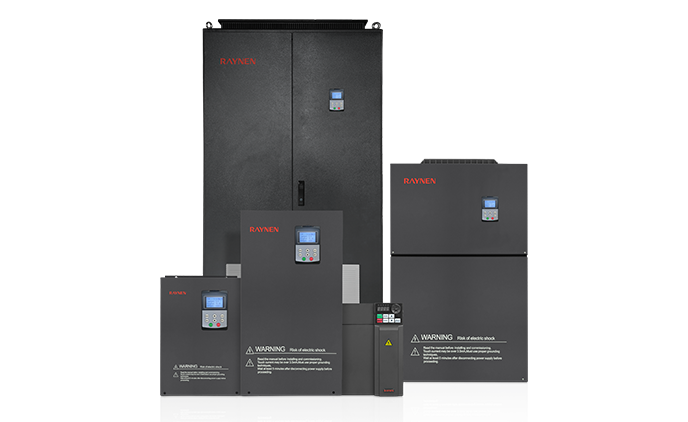





1.Introduction to AC Drives (Variable Frequency Drives) In the realm of modern industrial control an......
READ MOREHome / News / Industry News / Medium-Voltage Soft Starter Guide: Selection, Protection, and Motor Control
Medium-Voltage Soft Starter Guide: Selection, Protection, and Motor Control
The first time a 6 kV motor starts across the line, everyone in the substation notices. The lights dip, the transformer hums, and a coupling somewhere downstream takes a hit that quietly shortens its working life. A medium-voltage soft starter exists to make that start thoroughly uneventful, which is exactly what a plant wants.
Medium-voltage motors, usually somewhere between 2.3 kV and 13.8 kV, are the muscle behind pumps, compressors, fans, crushers, mixers, and extruders in water treatment, petrochemical, mining, cement, and heavy manufacturing. They cost a great deal to buy and far more to replace early, so how they start and stop has a direct effect on how long they last.
Content
- 1 What a Medium-Voltage Soft Starter Actually Does
- 2 Why Gentle Starting Matters More at Medium Voltage
- 3 Inside the Cabinet: Power, Bypass, and Protection
- 4 Where Medium-Voltage Soft Starters Earn Their Keep
- 5 Soft Starter, VFD, or Direct-On-Line?
- 6 Sizing Checklist Before You Specify
- 7 Commissioning and Long-Term Care
What a Medium-Voltage Soft Starter Actually Does
Rather than closing a contactor and letting the motor see full line voltage in an instant, a medium-voltage soft starter applies voltage gradually. Inside the cabinet, anti-parallel thyristor pairs sit in series in each phase, several devices per phase, because no single thyristor can hold medium voltage alone. The controller fires them at a controlled phase angle, so the voltage reaching the motor climbs from an initial setting, commonly 30 to 50 percent of line voltage, to full voltage over a defined ramp time.
The physics works in your favour. Motor torque rises roughly with the square of applied voltage, while current rises roughly in proportion to it. A modest reduction in voltage therefore cuts starting torque and starting current far more sharply, and that trade is what a soft starter manages on every start.
Most units offer several profiles: a plain voltage ramp, a current limit that caps the maximum draw, torque control for stubborn loads, and dual-ramp settings for unusual curves. Soft stop does the same work in reverse and matters most on pumps, where an abrupt stop sends a pressure wave back down the pipe.
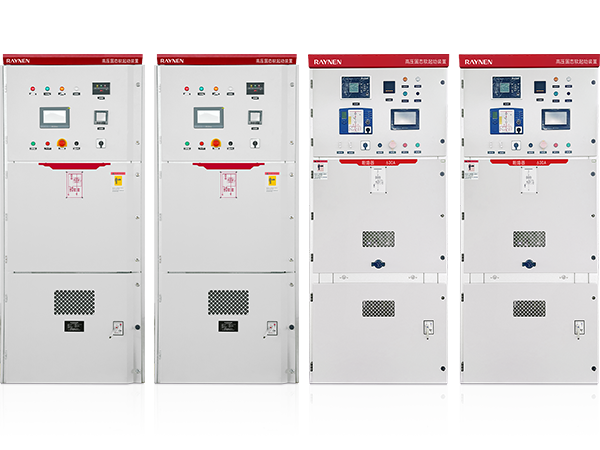
It is the principle behind our RVS medium-voltage soft starter, which is set up around the motor and the load curve it will actually face rather than left at factory defaults.
 RSE1000 Medium Voltage Soft Starter SeriesMedium-voltage soft starter series with 6 kV and 10 kV options, modular thyristor structure, and power ratings from 420 kW to 15000 kW.View Product →
Why Gentle Starting Matters More at Medium Voltage
At low voltage, an oversized transformer and a stiff supply often swallow the shock of direct-on-line starting. At medium voltage the numbers turn uncomfortable very quickly.
- Supply disturbance. Direct-on-line starting typically draws six to eight times full-load current. On a medium-voltage bus that produces sag capable of disturbing other drives, and utilities often cap voltage dip at the point of common coupling.
- Motor thermal stress. Locked-rotor current heats the stator winding far faster than running current, and medium-voltage motors have a defined thermal capacity and a limited number of starts per hour.
- Mechanical stress. An uncontrolled start can slam the drivetrain with torque peaks well above rated torque, punishing gearboxes, belts, shafts, and impellers.
- Process effects. Water hammer in pumping systems, spillage on conveyors, and product damage in mixers and centrifuges are starting problems rather than running problems.
- Infrastructure cost. A softer current profile can justify a smaller transformer and smaller cables, which often offsets a real share of the starter's price.
Inside the Cabinet: Power, Bypass, and Protection
The power stack
The heart of the starter is a string of thyristors in each phase, with snubber networks and voltage-grading circuits to share voltage evenly across the string. Gate signals travel over fibre-optic links, keeping the low-voltage control electronics isolated from the power circuit, while current and voltage transformers feed measurements back for display and protection.
Bypass and cooling
Once the motor reaches full speed, a vacuum bypass contactor closes and current flows through copper instead of silicon, so losses and heat drop away. Air cooling suits moderate ratings; higher continuous ratings often use de-ionised water. Because the starter carries current mainly during the ramp, its thermal design follows the starting duty you specify.
Protection and control
A modern unit is also a protection device: overload and thermal modelling, phase loss and imbalance, over and under voltage, ground fault, phase reversal, thermistor or RTD inputs, thyristor overtemperature, device failure detection, and a starts-per-hour lockout that keeps the motor inside its thermal budget.
Where Medium-Voltage Soft Starters Earn Their Keep
Soft starters suit driven loads where the motor is large and the process prefers a gentle hand:
- Pumps and booster stations, especially where soft stop prevents water hammer.
- Fans, blowers, and aeration equipment with high inertia.
- Compressors, including screw and centrifugal types.
- Crushers, mills, and mixers with heavy or irregular breakaway torque.
- Conveyors and extruders, where belt and screw damage is costly.
- Centrifuges and separators with demanding run-up characteristics.
When a specific machine is the problem, it helps to see how similar duties were solved before. Our solutions for fans and pumps walk through real cases where a controlled ramp solved an electrical and a process problem at the same time.
Soft Starter, VFD, or Direct-On-Line?
The three options answer different questions. Direct-on-line is the simplest and cheapest and remains reasonable for small motors on a strong supply. A soft starter controls only the start and stop. A variable frequency drive controls speed continuously throughout the run.
| Method | Starting current | Speed control | Harmonics while running | Typical fit |
|---|---|---|---|---|
| Direct-on-line | 600% to 800% of full-load current | None | None from the starter | Small motors on a strong supply |
| Medium-voltage soft starter | 250% to 400%, adjustable | None | Negligible; bypassed after the ramp | Large motors running at fixed speed |
| Medium-voltage VFD | Around 100% to 150% | Continuous across the range | Present, managed by filters and multilevel topologies | Processes needing speed or flow regulation |
The deciding question is usually whether the process needs different speeds. If a fan or pump can be regulated by a valve or damper, a soft starter is the simpler answer. If variable flow is needed for energy savings or product quality, the drive is the right tool.
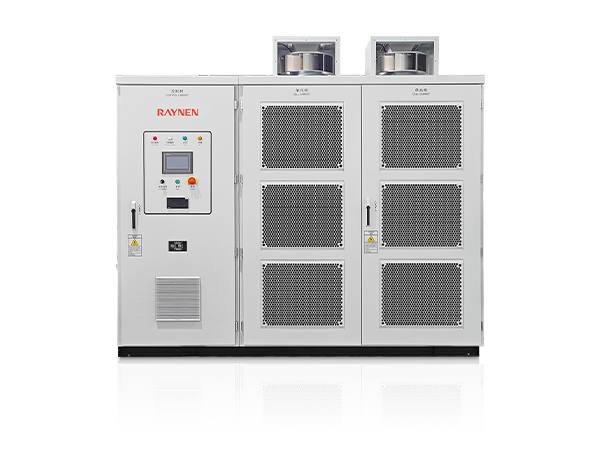
For plants that do need continuous speed control at medium voltage, our RVE1000 medium-voltage variable frequency drive fills that role. The two are often specified side by side in the same plant, for different duties.
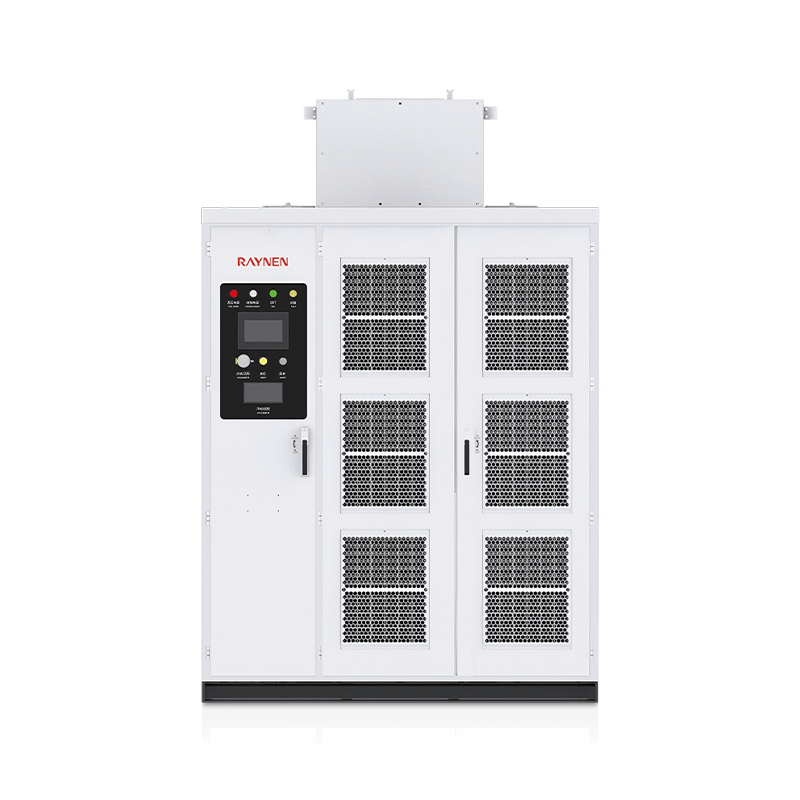 RVE1000 Medium Voltage Variable Frequency Drive SeriesMedium-voltage AC drive series for continuous speed control, with cascaded H-bridge units and ARM/DSP control across RVE1000 and RVE1000S 6 kV and 10 kV models.View Product →
Sizing Checklist Before You Specify
Sizing a medium-voltage soft starter is mostly a matter of gathering facts. Have these ready before you talk to a supplier:
- Motor nameplate data: rated voltage, full-load current, power factor, efficiency, and insulation class.
- Starting duty: starts per hour and the motor's locked-rotor withstand time.
- Load torque curve: constant, quadratic, or high breakaway torque, plus driven inertia.
- Preferred starting mode: initial voltage, ramp time, and current limit.
- Supply conditions: system voltage, short-circuit capacity, and any utility limit on voltage dip.
- Environment: ambient temperature, altitude, enclosure rating, dust, and humidity.
- Cooling method and the footprint available in the switch room.
- Coordination with upstream protection and the control system interface.
It is also worth confirming that medium voltage is genuinely necessary. Motors below roughly a few hundred kilowatts are often better served by low-voltage equipment, where cables, switchgear, and spares are simpler. Where that boundary falls depends on cable length and running cost as much as on the motor; our built-in bypass low-voltage soft starter covers that end of the range.
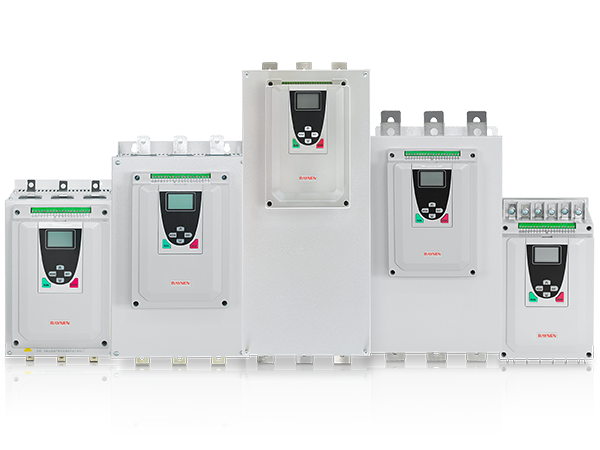
 RSE-I Built-in Bypass Low-Voltage Soft Starter SeriesLow-voltage soft starter series with built-in bypass contactor, 220 VAC control supply, and RSE-I models from 7.5 kW to 320 kW at 380 V.View Product →
Commissioning and Long-Term Care
Commissioning goes smoothly when a few details are respected. Cable length between starter and motor matters, because long runs add capacitance that interacts with thyristor switching; shielded cable and solid earthing keep it under control. Insulation resistance tests belong with the motor disconnected and the starter isolated, and phase sequence should be verified before the first loaded start.
Start with a conservative initial voltage and a longer ramp than you expect to need, then tighten both against measured current curves. Keep the starting trace for each motor; it becomes the baseline for every future comparison and turns a vague complaint about a hard start into a measurable deviation. In service, the routine is modest: inspect the bypass contactor, clean cooling paths and filters, check terminal torque, and read the event log after any trip. Our user manual library keeps series manuals, drawings, and software in one place, so the person on shift finds the right settings instead of guessing.
A medium-voltage soft starter rarely gets attention while it is working, and that is the point. A motor that comes up to speed quietly, a bus that stays stable, and a drivetrain still healthy a decade later are the result of decisions made during specification and commissioning. If you want a second opinion on sizing, starting profiles, or protection settings, talk to our engineers.
Previous Post
No previous article
Next Post
Medium-Voltage AC Drives: Topologies, Sizing, and Real-World Applications

Copyright 2024 Fujian Raynen Technology Co.,Ltd. All Rights Reserved.
Privacy Policy  Motor Control Manufacturers