English
 Español
 عربى
عربى
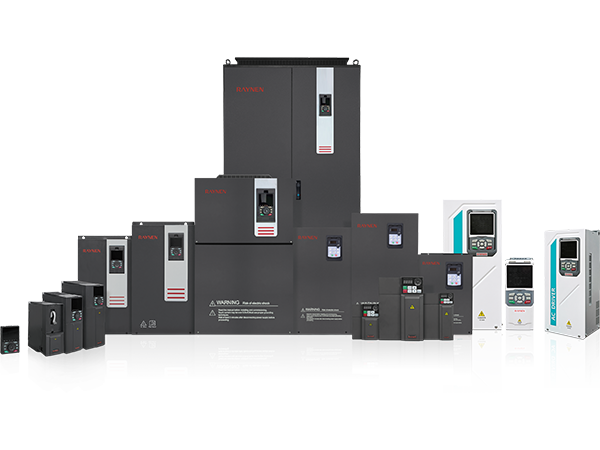
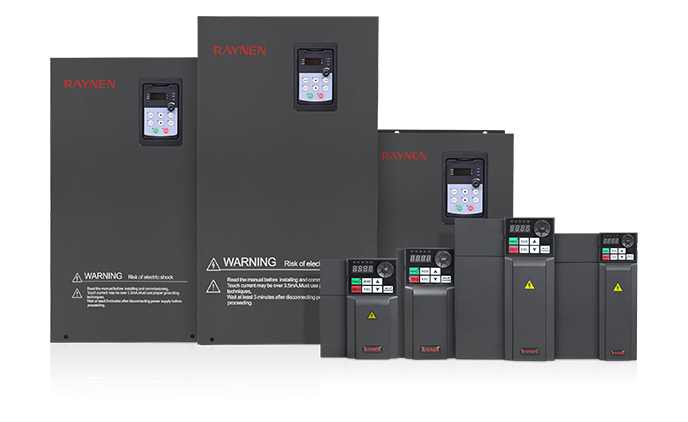
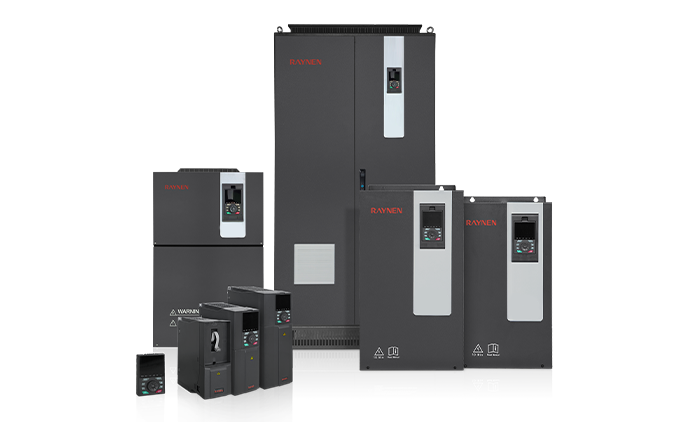
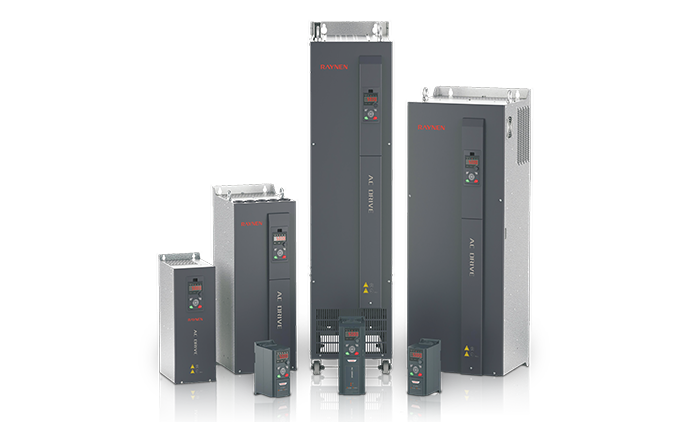
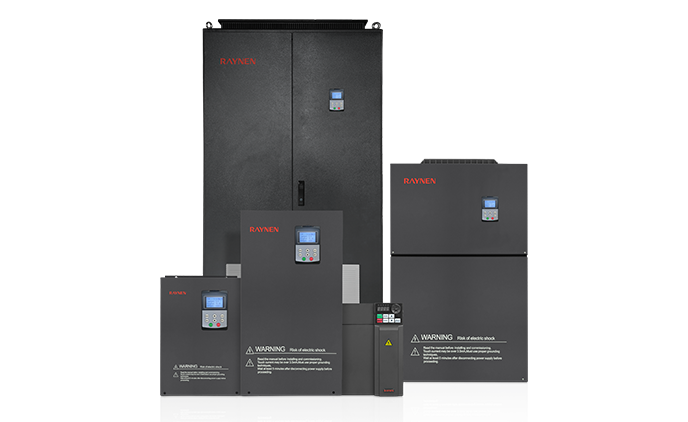
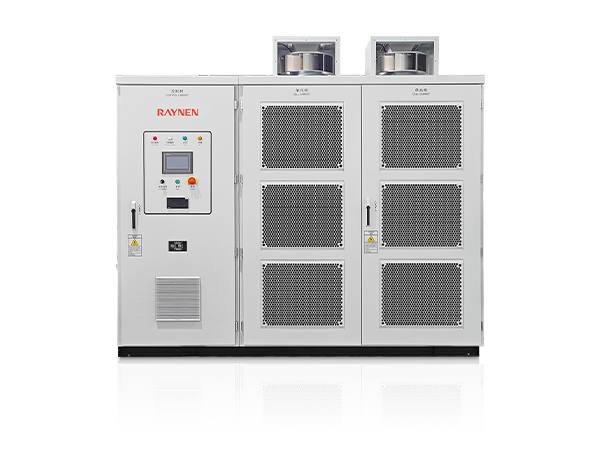
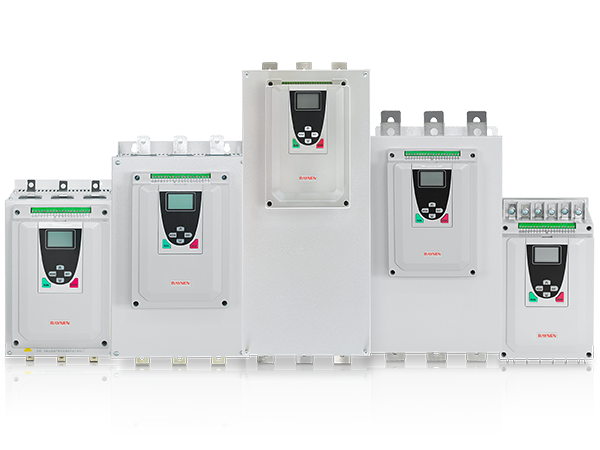
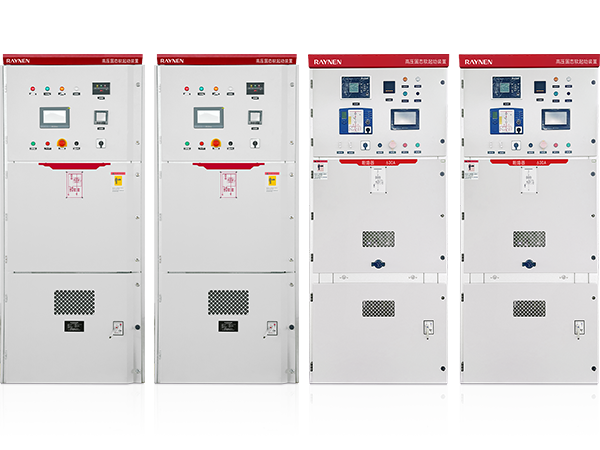





1.Introduction to AC Drives (Variable Frequency Drives) In the realm of modern industrial control an......
READ MOREHome / News / Industry News / Medium-Voltage AC Drives: Topologies, Sizing, and Real-World Applications
Medium-Voltage AC Drives: Topologies, Sizing, and Real-World Applications
Medium-voltage AC drives rarely stand out on a plant tour. They live in a container or a dedicated electrical room, quietly steering motors rated in megawatts: the ones that turn kiln shells, lift mine hoists, push gas along a pipeline, or keep a city's water moving. Whether you are sizing your first one or inheriting a fleet of them, the questions tend to repeat themselves. Which voltage class do I actually need? Which converter topology suits my process? How much cooling, harmonic filtering, and spare-part planning should I budget for? This guide walks through those decisions the way we usually talk them through with customers, plainly and with an eye on what happens after commissioning.
Content
What "Medium Voltage" Really Means
In IEC and IEEE practice, low voltage ends at 1,000 V AC, and 690 V is the practical ceiling for low-voltage drives. Above that, medium voltage begins. In the real world, MV drives cluster around a handful of standard system voltages, and the choice is usually decided by the motor you already have or the grid you already own.
Power ratings are only a rough guide, because current, cooling, and topology matter as much as voltage. Still, the table below is a reasonable starting map.
| Voltage class | Typical system voltage | Practical drive range | Where you will see it |
|---|---|---|---|
| Low voltage | 380–690 V | up to roughly 800 kW | Conveyors, pumps, machine tools, most factory floors |
| Medium voltage | 2.3–3.3 kV | around 0.3–5 MW | Cement mills, large compressors, process pumps |
| Medium voltage | 6–6.6 kV | around 1–10 MW | Fans and pumps, extruders, mine ventilation |
| Medium voltage | 10–13.8 kV | several MW and above | High-capacity compressors, marine drives, rolling mills |
Why Not Just Use a Low-Voltage Drive?
It is a fair question, and sometimes the answer really is a low-voltage drive plus a step-down transformer. But two physics-driven arguments usually push the decision the other way.
The first is current. For a given shaft power, current falls roughly in proportion to voltage. Moving from 690 V to 6 kV cuts the current to about one-ninth, and cable cross-sections, copper losses, and switchgear sizes fall with it. On a long cable run to a remote fan or a submersible pump, that difference shows up in the electricity bill every month.
The second is the motor itself. If the machine already has a medium-voltage motor, as is common in cement, mining, steel, and water treatment, adding a drive at the same voltage avoids replacing the motor or paying for a transformer that quietly consumes energy all day. The trade-offs are real, though: MV drives cost more up front, need more space, require proper harmonic management, and deserve a spares and training plan from day one.
The Topologies Inside the Cabinet
Open the doors of two MV drives of the same rating and you may find very different power structures. Knowing which family you are looking at makes datasheets, quotations, and service conversations far easier.
Current source inverters (LCI)
The oldest and still the most robust family. A thyristor rectifier feeds a DC link inductor, and the inverter switches line-commutated thyristors. LCIs suit very high power and regenerate energy back to the grid naturally, but their power factor drops at low speed, and they need a motor whose characteristics match the drive.
Multilevel voltage source converters
Most new MV drives are voltage source inverters using more than two output levels to keep step voltages within what motor insulation can tolerate. The three-level neutral-point-clamped (NPC) design dominates the 2.3–4.16 kV band. Above 6 kV, cascaded H-bridge converters stack low-voltage power cells in series, producing an output waveform close enough to a sine wave that standard motors can be used.
Rectifier front ends and harmonics
Whatever the inverter does, the rectifier decides much of your power quality story. Six-pulse front ends are simple but harmonic-rich; 18-pulse and 24-pulse arrangements cancel much of that; active front ends clean it up almost completely and add four-quadrant operation, at extra cost.
| Topology | Typical voltage | Typical power | Strengths | Watch-outs |
|---|---|---|---|---|
| 6-pulse LCI | 2.3–7.2 kV | 1–20 MW | Rugged, simple, regenerative | Low power factor at low speed |
| 3-level NPC VSI | 2.3–4.16 kV | 0.5–5 MW | Good waveform, four-quadrant options | More devices, clamping diodes |
| Cascaded H-bridge | 3.3–13.8 kV | 1–30 MW | Near-sinusoidal output, modular cells | Isolation transformer with many secondaries |
| Modular multilevel | 4.16–13.8 kV | multi-MW | Low harmonics, high availability | Higher complexity and cost |
In the 2.3–4.16 kV band, our own RVE1000 series follows the familiar multilevel voltage-source approach, and it is the drive we most often propose for retrofit projects where the existing motor has to stay in place.
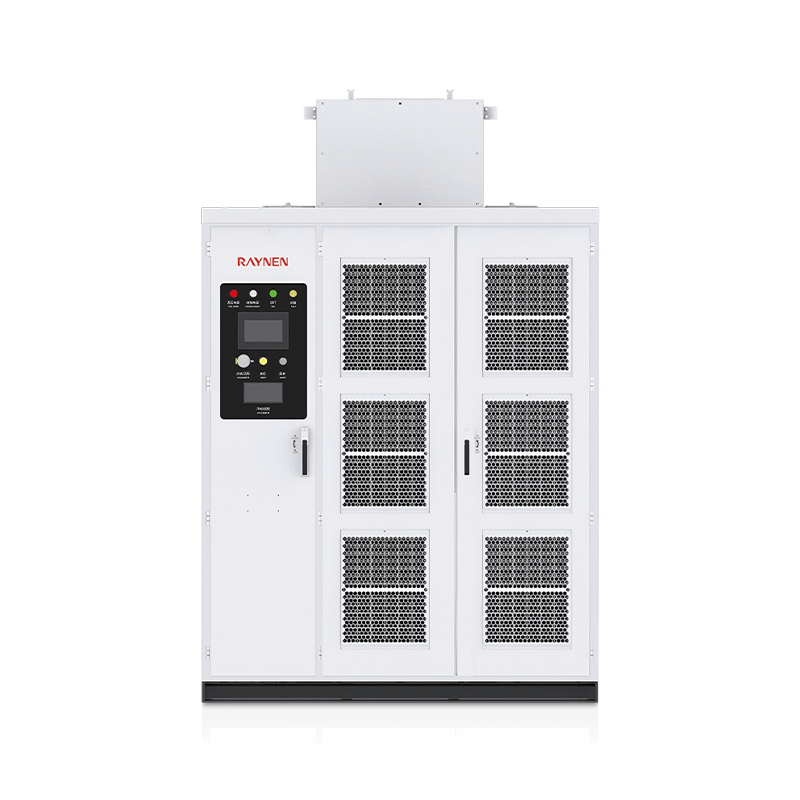 RVE1000 Medium-Voltage AC Drives for High-Voltage MotorsA medium-voltage VFD series for direct high-voltage motor drives, offered for retrofit projects and sized by motor, load, site, and grid conditions.View Product →
Sizing and Cooling Without the Jargon
Sizing is less about picking a kilowatt number and more about matching four things: the motor, the load, the site, and the grid.
- Motor current, not just power. Start from the nameplate full-load current, then add margin for the real duty cycle. A drive that runs near its rating for twenty years will not thank you.
- Load profile. Variable-torque loads such as fans and centrifugal pumps behave very differently from constant-torque loads like conveyors, extruders, and mills. The former can often be sized close to the motor; the latter needs headroom for overload.
- Site conditions. Altitude above about 1,000 m, ambient temperatures above 40 °C, and dusty or humid air all reduce usable capacity. Air-cooled units with heat pipes work well in clean rooms; water-cooled units handle cement plants and hot compressor halls more gracefully.
- Grid conditions. Weak grids, high fault levels, and strict harmonic limits may push you toward a 24-pulse or active front end. Ask for a harmonic study early; it is far cheaper than fixing distortion later.
If you want a deeper walk-through of these trade-offs, we keep a plain-language article on MV drive sizing, topologies, and cooling in our technical library.
When two frame sizes are close, the smaller unit with a slightly larger cooling margin is often the better long-term decision, because dust, altitude, and summer peaks rarely arrive separately. For installations where floor space is tight, the RVE1000S offers the same control philosophy in a more compact arrangement.
 RVE1000S Medium Voltage AC Drives for Compact InstallationsA compact medium-voltage AC drive option sharing control philosophy for tight spaces, with linked applications in chemical, lifting, air compressor, and steel industries.View Product →
Where Medium-Voltage AC Drives Earn Their Keep
MV drives are rarely bought for their own sake. They are bought because a process needs to be controlled, protected, or made cheaper to run, and the applications repeat across industries:
- Fans and pumps in power stations, water treatment, and heating networks, where speed control turns a throttle valve or damper into genuine energy savings.
- Compressors and extruders in chemical and rubber plants, where torque control affects product quality as much as energy use.
- Mills, kilns, and hoists in cement, mining, and steel, where starting torque and overload capacity matter more than efficiency.
- Large process machines in refineries and petrochemical plants, often on long cable runs where voltage drop and losses would be painful at low voltage.
Our own solution library follows the same pattern; the fan and pump solutions section is a good place to see how these ideas translate into a specific retrofit.
When a Soft Starter Is the Better Answer
Not every medium-voltage motor needs variable speed. If a pump, compressor, or fan runs at essentially constant speed and simply needs a gentler start than a direct-on-line contactor provides, a medium-voltage soft starter is often the more sensible investment. It reduces inrush current, cuts mechanical shock on gearboxes and belts, and does so with a smaller footprint, lower losses, and a lower price than a full drive.
The rule of thumb we use is simple: if the process needs to change speed during normal operation, buy the drive. If it only needs to start and stop smoothly, look hard at a soft starter first.
 RSE1000 Medium Voltage Soft Starter for Industrial Motor ControlA medium-voltage soft starter for smooth start/stop duties, featuring modular thyristor structure, ARM control, and ratings from 6 kV to 10 kV.View Product →
Documentation, Spares, and the Long Haul
An MV drive is a fifteen- to twenty-year asset, and the paperwork matters as much as the power stack. Before you sign, ask for the user manual, the drawings package, the parameter list, and the firmware history. Check that spare power cells, boards, and cooling components will be available for the life of the installation, and that someone on your team can actually reach technical support in your language and your time zone.
We keep versioned manuals online for every medium-voltage drive and soft starter we ship, from the RVE1000 drive family to the RSE1000 soft starter series, and our support engineers stay involved well past commissioning. It is not glamorous work, but it is what keeps a megawatt motor running year after year.
Medium-voltage AC drives are not complicated in principle: raise the voltage, lower the current, and control the motor with a converter that matches the load, the site, and the grid. The complexity lives in the details, and that is where experience pays off. If you are planning a retrofit, a new line, or simply trying to understand what is already in your electrical room, we are always happy to talk through the options without the sales pitch.
Previous Post
No previous article
Next Post
Low-Voltage Soft Starter Guide: Topologies, Sizing, and Motor Applications

Copyright 2024 Fujian Raynen Technology Co.,Ltd. All Rights Reserved.
Privacy Policy  Motor Control Manufacturers