English
 Español
 عربى

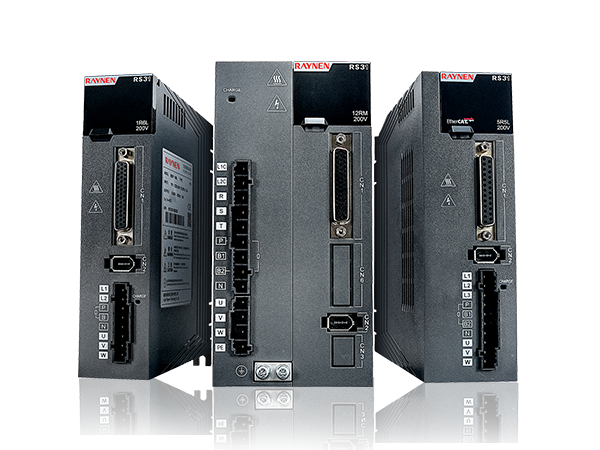


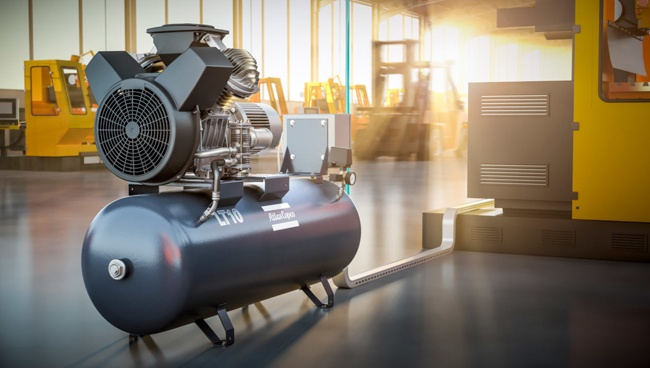


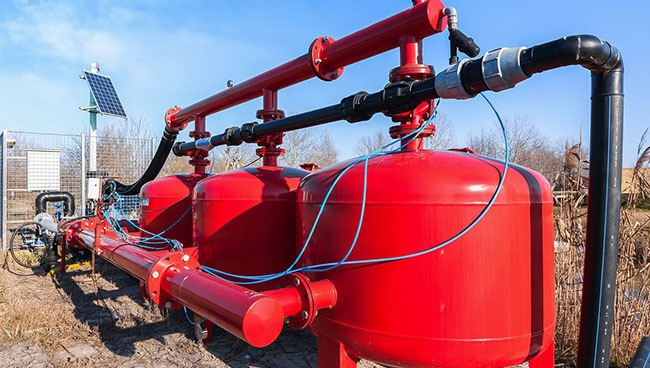

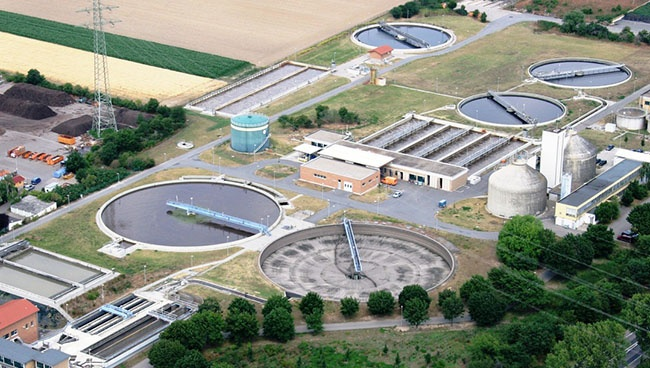




1.Introduction to AC Drives (Variable Frequency Drives) In the realm of modern industrial control an......
READ MOREHome / News / Industry News / Smart Low-Voltage AC Drives: Features, Benefits, and Selection Factors
Smart Low-Voltage AC Drives: Features, Benefits, and Selection Factors
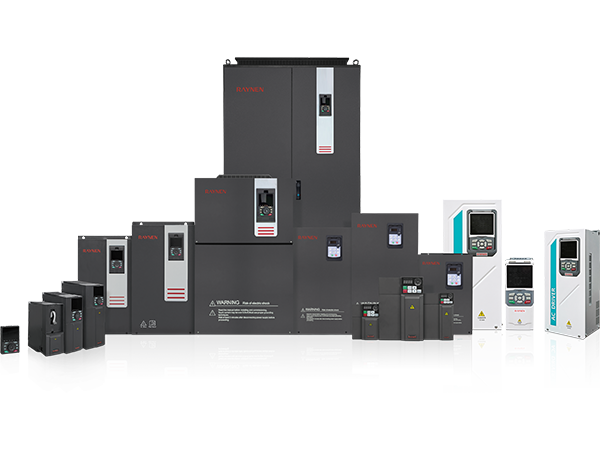
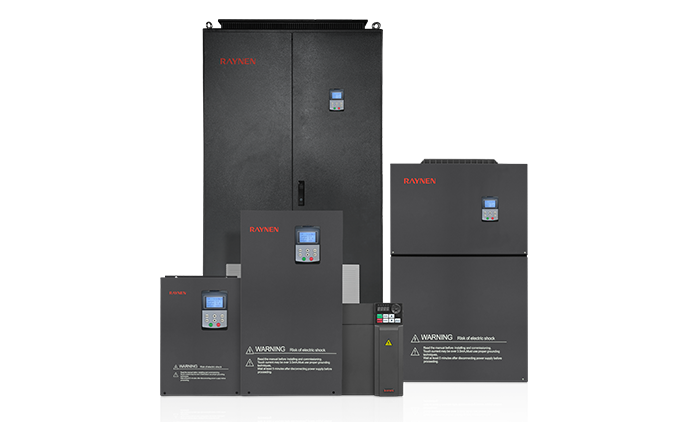
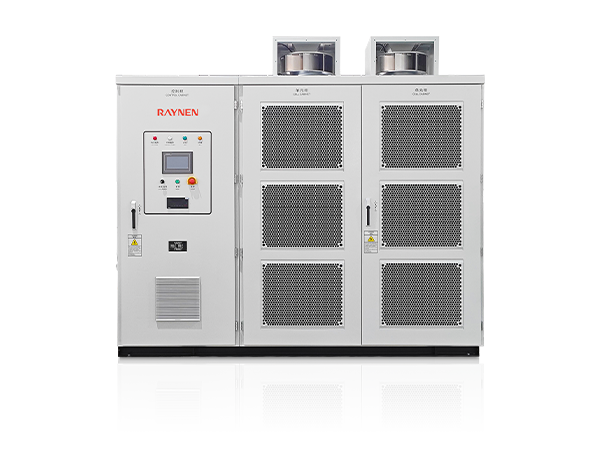
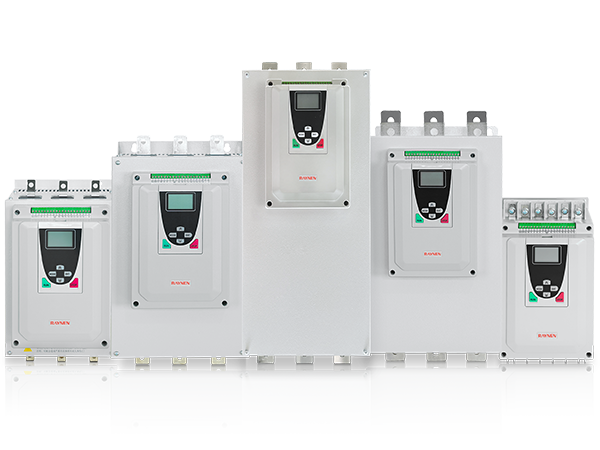
Smart low-voltage AC drives have changed the conversation around motor control. A conventional variable frequency drive is already a useful device: it adjusts motor speed, reduces starting stress, and helps match energy use to real demand. A smart drive goes further by bringing setup tools, application logic, diagnostics, and connectivity into the same package. For plant teams, that can mean less time spent wiring extra components and more useful information when something needs attention.
In our work with machine builders, system integrators, and maintenance teams, we see the same pattern again and again. The drive is no longer just a box at the back of the panel. It is part of how the machine behaves, how quickly a fault is understood, and how easily a line can be adjusted for a new product or process.
Content
What Makes a Low-Voltage AC Drive Smart?
A low-voltage AC drive generally operates in the low-voltage range, commonly up to 690 V, and controls an AC induction or permanent magnet motor by changing the frequency and voltage supplied to it. The “smart” part is not a single feature. It is a combination of built-in functions that would once have required separate controllers, timers, relays, or external communication modules.
Depending on the model, a smart drive may include motor autotuning, application macros, PID control, programmable digital and analog I/O, fault history, energy monitoring, STO or other safety options, and fieldbus communication. Some designs also support logic functions inside the drive, which can reduce panel complexity for tasks such as pump cycling, fan staging, or simple conveyor sequencing.
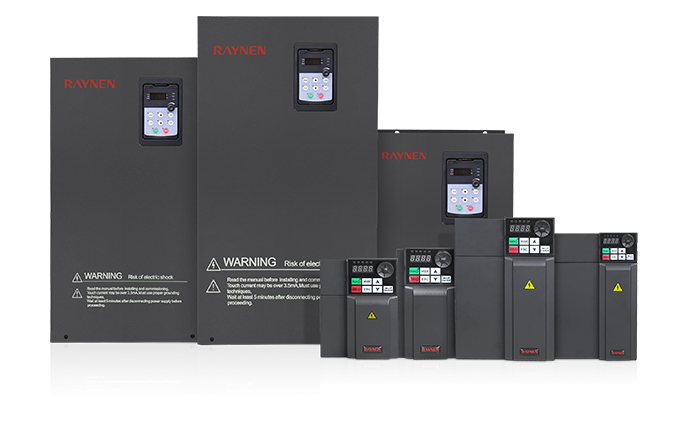
 RVE21 Smart Low-Voltage AC Drive, 4–5.5 kWThis RVE21 380 V three-phase VFD covers 4/5.5 kW heavy-load and 5.5/7.5 kW light-load duties, with V/F and sensorless vector control.View Product →
How a Smart Low-Voltage AC Drive Works
The power conversion path is straightforward in principle. The drive rectifies incoming AC power to a DC link, smooths it with capacitors, and then uses an inverter stage to create a controllable AC output. By adjusting voltage and frequency together, the drive keeps the motor magnetic flux at a suitable level while changing speed.
- The rectifier converts the incoming three-phase or single-phase AC supply into DC.
- The DC link stabilizes the voltage and provides a buffer between the supply and the motor.
- The inverter switches IGBTs or similar power devices to produce a pulse-width-modulated output waveform.
- The control board reads feedback, applies the selected control mode, and adjusts the output to hold the requested speed, torque, or process value.
Basic voltage/frequency control is simple and robust. Sensorless vector control goes further by estimating motor speed and torque, which improves low-speed performance and load response. Smart drives often add automatic tuning and application-specific settings that help users reach stable operation without spending hours adjusting parameters by hand.
Smart Functions That Earn Their Place
Not every “smart” feature is useful in every panel. The value depends on the process, the motor, and the people who will maintain the equipment. These functions tend to prove their worth in daily operation:
- Motor autotuning for better matching between the drive and the connected motor.
- Built-in PID control for pressure, flow, temperature, or level loops.
- Programmable I/O and logic for interlocks, staging, and simple sequence control.
- Communication options for PLC, HMI, and plant-level monitoring.
- Fault logs and diagnostic codes that shorten troubleshooting time.
- Energy-saving modes and sleep/wake functions for pumps and fans.
- Parameter backup and copying tools that simplify repeat builds.
The Practical Benefits
The business case for a smart low-voltage AC drive is rarely just energy savings. Energy matters, especially in centrifugal pump and fan systems where affinity laws make speed reduction valuable. But the bigger return often comes from simpler engineering, faster commissioning, and fewer nuisance interruptions.
| Decision area | What a smart drive adds | Practical result |
|---|---|---|
| Energy use | Speed control, sleep/wake, and load-based optimization | Lower power demand in part-load pump, fan, and compressor duty |
| Panel design | Built-in PID, logic, and configurable I/O | Fewer separate components and less internal wiring |
| Commissioning | Application macros, autotuning, and parameter tools | Faster start-up and easier repeat builds for OEMs |
| Maintenance | Fault history, diagnostic codes, and communication | Clearer troubleshooting and better planned interventions |
| Process control | Stable speed or torque response across changing loads | Smoother operation and less mechanical stress |
Where Smart Low-Voltage AC Drives Fit
These drives are common in pumps, fans, compressors, conveyors, mixers, centrifugal machines, machine tools, and material handling equipment. In water and wastewater plants, pressure control and sleep functions can help a pump station follow demand without constant operator attention. In HVAC, fan and pump staging benefits from built-in logic and communication. In machinery, sensorless vector control and fast parameter setup help machine builders deliver repeatable performance across units.
Raynen's application solutions are organized around these real duties rather than around generic product categories. That matters because a drive selected for a clean room exhaust fan is not necessarily the best choice for a heavy mixer or a high-inertia centrifugal machine.
Selection Checklist
The right drive is the one that fits the motor, the load, the panel, and the maintenance culture. A useful selection process usually covers:
- Motor data: rated voltage, current, power, speed, insulation class, and whether the motor is induction or permanent magnet.
- Load behavior: constant torque or variable torque, starting torque required, inertia, and the chance of overload.
- Supply conditions: voltage, phase, frequency, short-circuit capacity, and availability of filtering or reactors.
- Environment: ambient temperature, altitude, dust, humidity, vibration, and enclosure requirements.
- Control needs: local keypad, remote I/O, PID, communication protocol, safety function, and data logging.
- Lifecycle support: documentation quality, parameter backup, spare parts, and technical assistance.
It also helps to think beyond the nameplate current. A drive that is adequate on paper can still underperform if the panel runs hot, the motor cable is very long, or the load needs high starting torque for a few seconds every cycle. Allow margin where the duty demands it, and check whether a harmonic filter, output reactor, or enclosure cooling upgrade is needed.
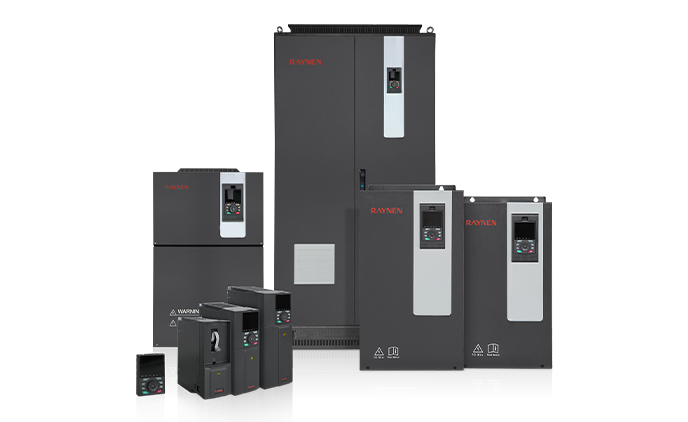
 RVE21 Smart Low-Voltage VFD, 75–132 kW ClassConsider this RVE21 380–480 V three-phase drive for 75–132 kW duties, with independent air duct, sensorless vector control, and Modbus-RTU communication.View Product →
Installation and Maintenance Notes
Good installation protects the drive and the people around it. Keep the cooling path clear, respect the minimum clearances, separate signal cables from power cables, and follow the manufacturer's guidance for earthing and EMC. Use screened motor cable where electromagnetic compatibility matters, and do not add power-factor correction capacitors on the drive output. If the drive is mounted in a sealed cabinet, calculate heat rise rather than assuming the panel will stay cool.
Maintenance does not need to be complicated. Record the parameter set after commissioning, check fan operation and heatsink cleanliness during planned shutdowns, keep the fault log, and review DC bus or temperature trends when communication is available. If a fault appears, read the code before resetting it. Repeated resets hide the pattern that leads to a lasting fix. Our team is happy to talk with our team when an application needs a closer look.
Frequently Asked Questions
Is a smart drive different from a standard VFD?
The core power section is similar. The difference is the level of built-in control, diagnostics, and communication. A smart drive is designed to handle more of the application itself, which can reduce external hardware and simplify commissioning.
Can a smart low-voltage AC drive save energy in every application?
No. Savings depend on the load profile. Pumps and fans with variable demand usually show clear benefits. Constant-torque machines may save less energy but can still gain from better control, soft starting, and diagnostic visibility.
Should I choose a drive based only on motor kW?
Motor kW is a starting point, not a full selection method. Check rated current, overload duty, ambient temperature, altitude, cable length, and starting torque. A higher-power drive is not automatically better if the load and cooling are not understood.
What maintenance does a smart drive need?
Keep the heatsink and fans clean, verify cabinet cooling, inspect terminals during planned shutdowns, back up parameters, and review fault records. Follow the user manual for capacitor and fan replacement intervals.
A Practical Next Step
Smart low-voltage AC drives are most valuable when they are applied with clear knowledge of the motor, the load, and the way the plant is maintained. Start with the duty, not the feature list. Then choose a drive that gives you the control you need, the documentation your technicians can use, and the support that keeps the line running. That is a more reliable path than chasing the longest feature sheet.
Previous Post
No previous article
Next Post
Industrial Servo Motor Guide: How It Works, Types, Selection, and Maintenance

Copyright 2024 Fujian Raynen Technology Co.,Ltd. All Rights Reserved.
Privacy Policy  Motor Control Manufacturers