English
 Español
 عربى
عربى
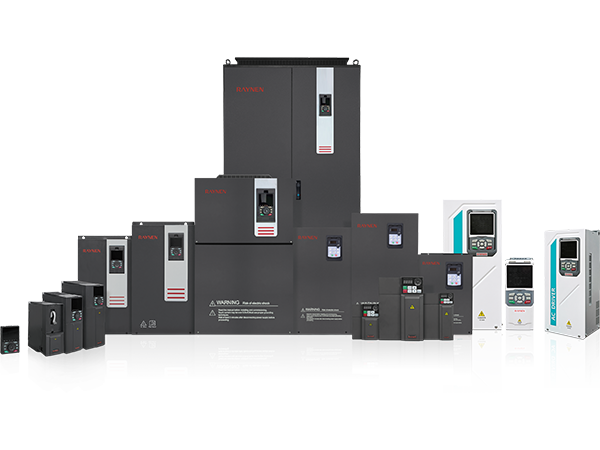
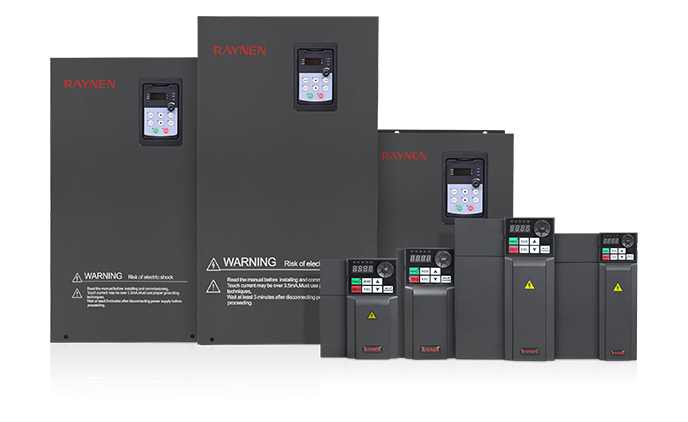
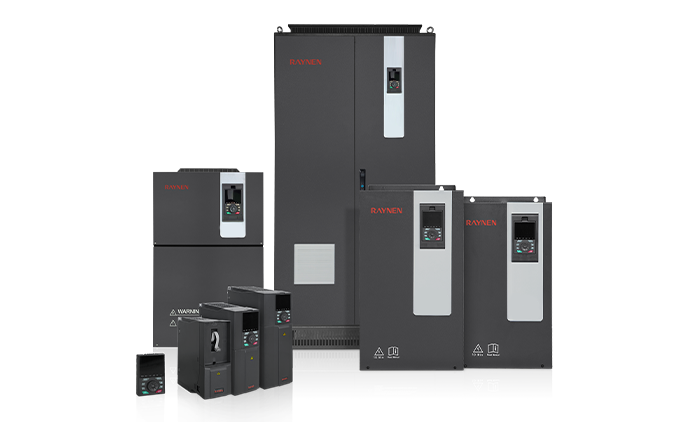
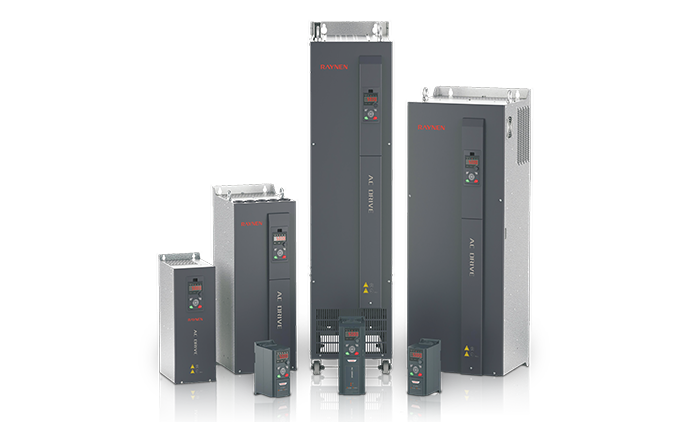
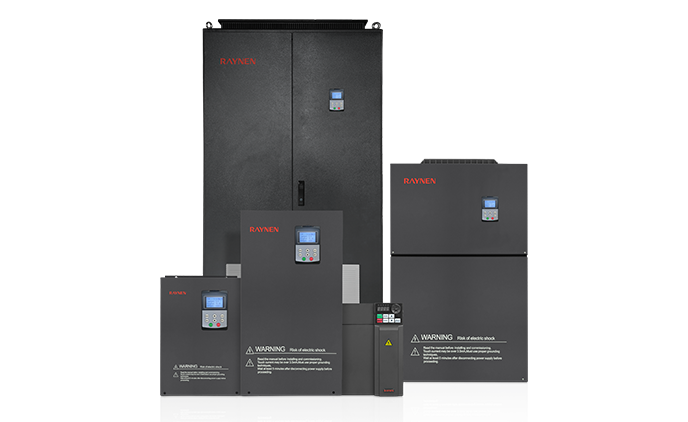
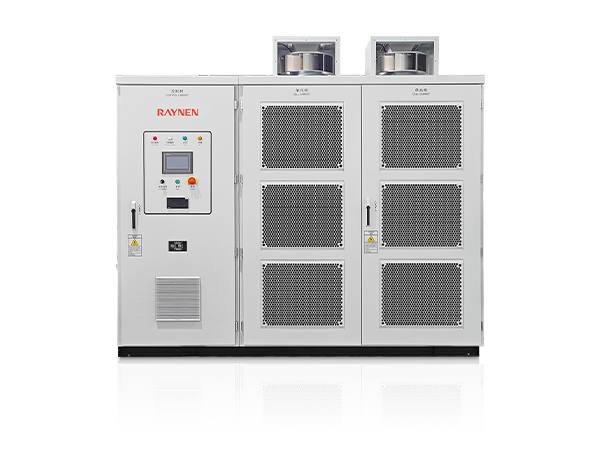
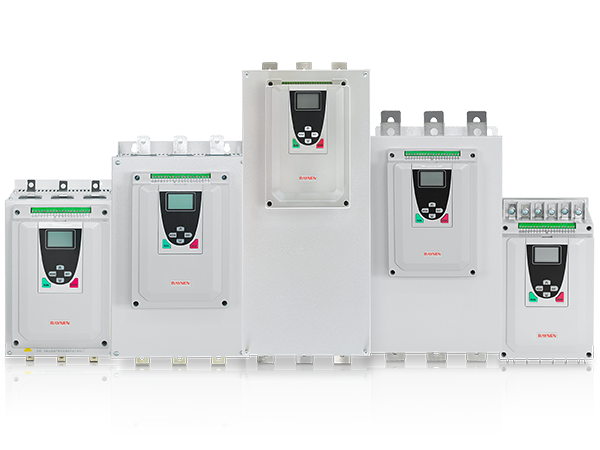
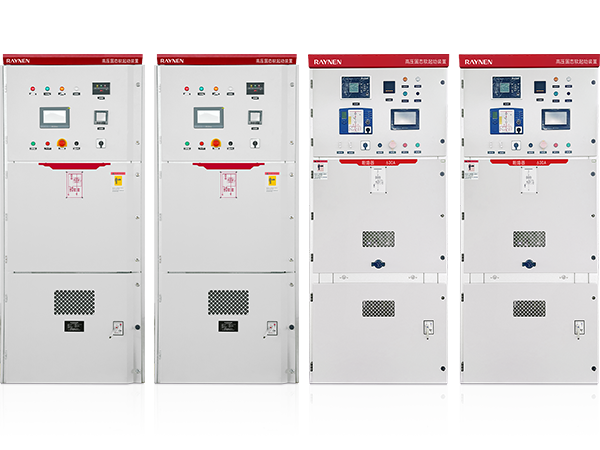


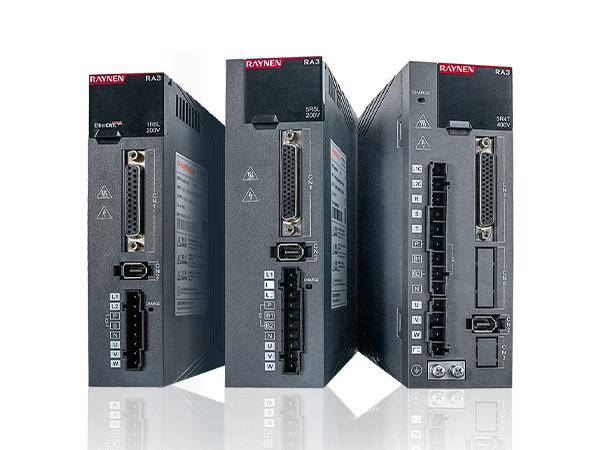
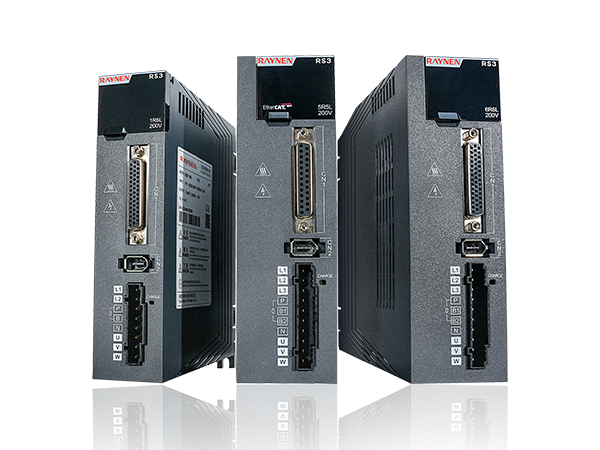
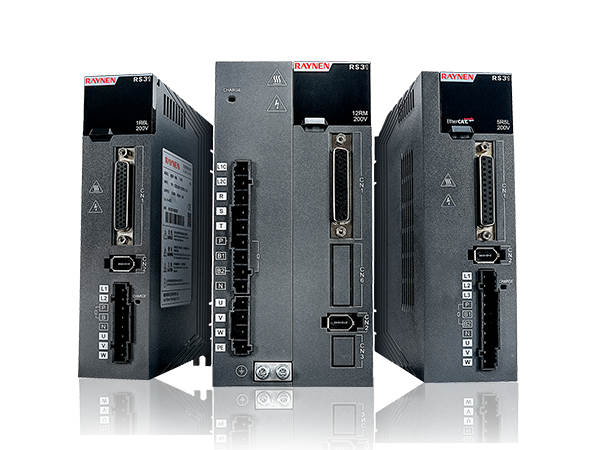


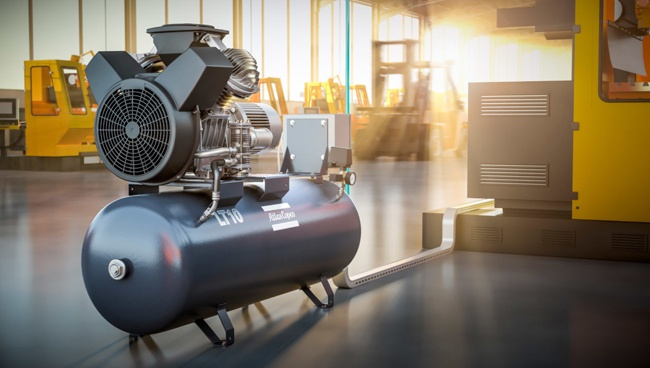






1.Introduction to AC Drives (Variable Frequency Drives) In the realm of modern industrial control an......
READ MOREHome / News / Industry News / The Complete Guide to Industrial Servo Motors: How They Work and Why They Matter
The Complete Guide to Industrial Servo Motors: How They Work and Why They Matter
Content
- 1 What Is an Industrial Servo Motor and How Does It Work?
- 2 Key Components Inside a Servo Motor System
- 3 AC vs. DC vs. Brushless Servo Motors: What's the Difference?
- 4 Where Industrial Servo Motors Are Used
- 5
- 6 How to Choose the Right Industrial Servo Motor
- 7 Understanding Servo Motor Specifications: A Practical Breakdown
- 8 Servo Motor Maintenance: Keeping Performance at Its Best
- 9 Common Problems with Industrial Servo Motors and How to Fix Them
- 10 The Future of Industrial Servo Motor Technology
What Is an Industrial Servo Motor and How Does It Work?
An industrial servo motor is a precision motion control device widely used in manufacturing, robotics, and automated machinery. Unlike a standard motor that simply spins at a set speed, a servo motor operates within a closed-loop control system — meaning it constantly monitors its own position, speed, and torque, then adjusts in real time to match the commanded values. This feedback-driven behavior is what makes servo motors so reliable and accurate in demanding industrial environments.
At its core, the system consists of three main elements: the motor itself, a feedback device (usually an encoder or resolver), and a servo drive (also called a servo amplifier or controller). The drive sends commands to the motor, the encoder reports back what the motor is actually doing, and the drive continuously corrects any deviation. This loop happens hundreds or thousands of times per second, giving the system extremely tight control over movement.
Key Components Inside a Servo Motor System
Understanding the individual parts of a servo motor system helps engineers and technicians make better decisions about selection, installation, and troubleshooting. Each component plays a specific role in delivering the precision motion the system is designed for.
The Motor
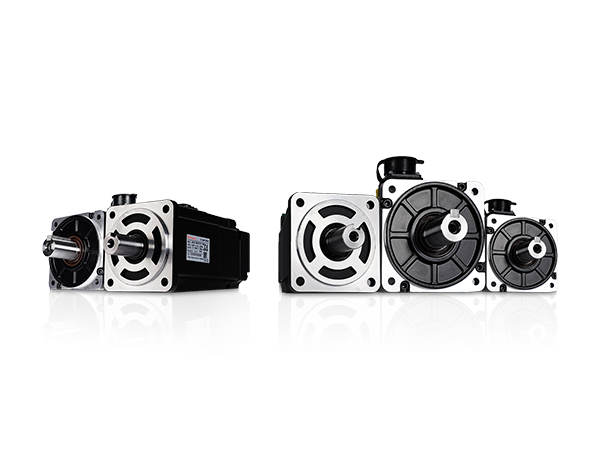
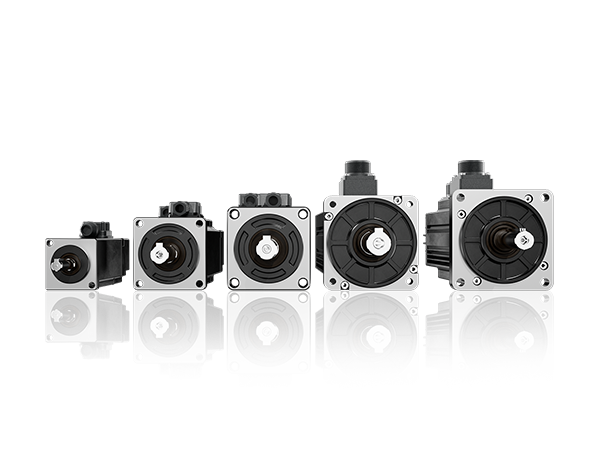
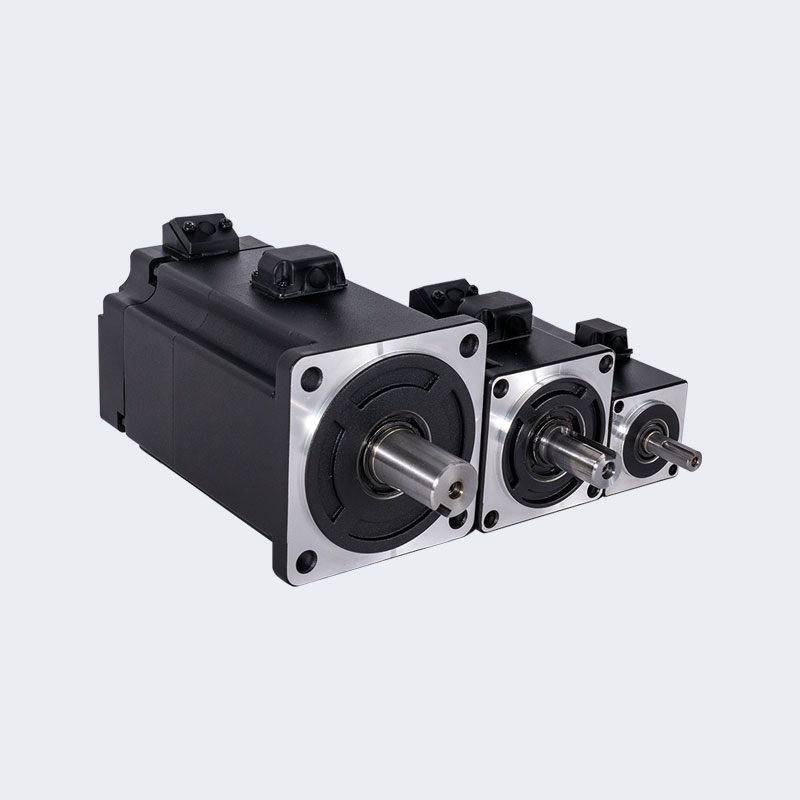
The motor is typically a brushless AC or DC motor with a compact, high-torque design. It converts electrical energy into rotational mechanical energy. Industrial servo motors are built to handle rapid acceleration and deceleration cycles without overheating, using high-grade magnetic materials and thermally efficient housings.
The Encoder or Resolver
Mounted directly on the motor shaft, the encoder provides real-time position and speed feedback to the drive. Incremental encoders count pulses to track relative position, while absolute encoders report the exact shaft position even after a power loss. Resolvers are an analog alternative to encoders and are preferred in harsh environments due to their durability.
The Servo Drive
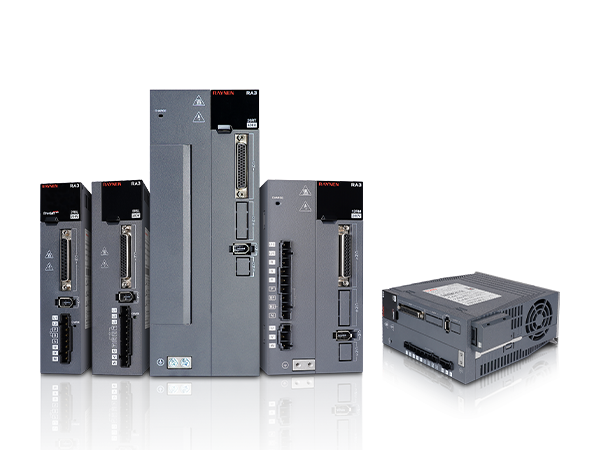
The servo drive is the brain of the system. It receives motion commands from a PLC (Programmable Logic Controller) or motion controller, compares them to the encoder feedback, and adjusts the current sent to the motor accordingly. Modern servo drives also include built-in safety features, communication interfaces (like EtherCAT or CANopen), and tuning tools for optimizing performance.
AC vs. DC vs. Brushless Servo Motors: What's the Difference?
There are several types of servo motors used in industrial settings, and each has its own advantages depending on the application. The three most common categories are AC servo motors, DC servo motors, and brushless DC servo motors.
| Type | Power Source | Maintenance | Best For |
| AC Servo Motor | AC power | Low (no brushes) | High-speed, high-power industrial machines |
| DC Servo Motor | DC power | Higher (brushes wear) | Lower-cost, simpler applications |
| Brushless DC Servo Motor | DC power | Low (no brushes) | Compact, high-precision automation |
AC servo motors dominate most modern industrial automation because of their high efficiency, durability, and ability to maintain consistent torque across a wide speed range. Brushless DC servo motors are often chosen for smaller machines or applications where space is constrained. Traditional brushed DC servo motors are still found in legacy equipment but are being phased out in favor of brushless alternatives.
Where Industrial Servo Motors Are Used
Industrial servo motors show up in virtually every sector that requires precise, repeatable motion. Their ability to deliver exact positioning with fast response times makes them indispensable across a broad range of industries and machine types.
- CNC Machining Centers: Servo motors drive the X, Y, and Z axes of CNC mills and lathes, enabling sub-millimeter accuracy in cutting operations.
- Industrial Robots: Each joint of a robotic arm uses a dedicated servo motor to control angular position and torque, allowing complex multi-axis movements.
- Packaging Machines: High-speed servo-driven conveyor systems, fillers, and sealers ensure consistent product handling and throughput.
- Printing and Label Machines: Precise web tension control and registration accuracy rely heavily on servo motor systems.
- Semiconductor Manufacturing: Wafer handling and lithography equipment demand nanometer-level accuracy, making servo motors a core technology.
- Food and Beverage Processing: Servo motors control dosing, slicing, and portioning equipment where speed and consistency are critical.
How to Choose the Right Industrial Servo Motor
Selecting the right servo motor for an industrial application is not simply a matter of picking the highest-rated unit available. Engineers need to evaluate several technical parameters to ensure the motor fits both the mechanical load and the control requirements of the machine.
Torque and Speed Requirements
Start by calculating the peak and continuous torque your application demands. Consider the load inertia, friction, and any acceleration/deceleration profiles. The motor's continuous torque rating must exceed the RMS (root mean square) torque of your duty cycle. Oversizing too much wastes money and increases system inertia; undersizing causes overheating and premature failure.
Encoder Resolution
Higher encoder resolution (measured in pulses per revolution or bits for absolute encoders) translates to finer position control. For general industrial automation, 17-bit to 23-bit absolute encoders are common. High-precision applications like semiconductor wafer handling may require even higher resolution or specialized feedback devices.
Environmental Conditions
Consider the IP (Ingress Protection) rating of the motor. A motor used in a food processing plant exposed to wash-down procedures needs at least an IP67 rating. Motors in dusty or metallic chip environments benefit from sealed shaft seals and protected connectors. Operating temperature range is another factor — standard motors may derate in high-ambient-temperature environments.
Drive and Controller Compatibility
Always verify that the servo motor is compatible with your chosen drive. Mismatched motor-drive pairs can lead to poor tuning, instability, or outright failure. Most major manufacturers — such as Siemens, Fanuc, Yaskawa, and Mitsubishi — offer matched motor-drive combinations with optimized tuning parameters stored directly in the drive.
Understanding Servo Motor Specifications: A Practical Breakdown
Servo motor datasheets can be intimidating at first glance. Here's a breakdown of the most important specifications you'll encounter and what they actually mean for your application.
- Rated Torque (N·m): The continuous torque the motor can deliver without exceeding its thermal limits. This is the core working torque of the motor.
- Peak Torque (N·m): The maximum torque available for short-duration bursts, typically during acceleration. Usually 2–3× the rated torque.
- Rated Speed (RPM): The base speed at which rated torque is delivered at rated voltage. Many servo motors can run at higher speeds with reduced torque (field-weakening range).
- Rotor Inertia (kg·m²): Lower inertia means faster dynamic response. Important when designing fast start/stop cycles or high-frequency motion profiles.
- Power Rating (kW or W): Indicates the overall power output. Useful for comparing motors but should never be the only selection criterion.
- Insulation Class: Defines maximum operating temperature of the winding insulation. Class F (155°C) and Class H (180°C) are common in industrial servo motors.
Servo Motor Maintenance: Keeping Performance at Its Best
Industrial servo motors are generally low-maintenance compared to traditional induction motors, but they are not maintenance-free. A proactive maintenance approach prevents costly downtime and extends the motor's service life significantly.
Bearing Inspection and Lubrication
Bearings are the most common wear point in a servo motor. Listen for unusual noise during operation, which can indicate bearing wear or contamination. Most servo motors use sealed bearings that are lubricated for life, but in high-cycle or high-load applications, bearing replacement should be scheduled based on operating hours rather than waiting for failure.
Encoder and Cable Condition
The encoder connector and feedback cable are vulnerable to vibration, repeated flexing, and contamination. Inspect cable insulation for cracking or abrasion, and ensure connector pins are clean and fully seated. Encoder errors often present as erratic positioning, unexpected faults, or inconsistent behavior — all of which can be misdiagnosed as drive or control issues.
Thermal Monitoring
Most servo drives track motor winding temperature via a built-in thermistor. Review temperature trend logs periodically. A gradual upward trend over weeks or months can signal a cooling problem, a change in duty cycle, or winding degradation. Catching this early allows planned maintenance rather than an emergency replacement.
Drive Parameter Backup
Always keep a current backup of your servo drive parameters. When a drive or motor is replaced, having the correct tuning and configuration data means you can restore operation in minutes rather than hours. Many modern servo drives support parameter backup over USB, SD card, or network connection.
Common Problems with Industrial Servo Motors and How to Fix Them
Even well-maintained servo motor systems will occasionally encounter issues. Knowing the most common fault types and their root causes speeds up diagnosis and reduces downtime.
| Problem | Likely Cause | Recommended Action |
| Motor oscillates or hunts | Poor PID tuning or excessive load inertia | Re-tune gain settings; check inertia ratio |
| Overheating fault | Overloaded duty cycle or blocked ventilation | Review load profile; clean or improve cooling |
| Encoder error or fault | Damaged cable, loose connector, or contamination | Inspect cable and connector; replace if needed |
| Excessive vibration | Mechanical misalignment or worn bearings | Check coupling alignment; inspect bearings |
| Position overshoot | Gains too high or motion profile too aggressive | Reduce proportional gain; smooth acceleration ramp |
The Future of Industrial Servo Motor Technology
Servo motor technology continues to evolve rapidly alongside advances in industrial automation, robotics, and digitalization. Several trends are shaping the next generation of servo motor systems.
Integrated servo systems — where the drive electronics are mounted directly on the motor body — are becoming increasingly popular. These "smart motors" reduce wiring complexity, save cabinet space, and simplify machine design. Brands like Beckhoff, Bosch Rexroth, and Siemens are actively developing and expanding these product lines.
Functional safety integration is another major development. Modern servo drives now incorporate STO (Safe Torque Off), SS1 (Safe Stop 1), and SLS (Safely Limited Speed) functions directly into the drive hardware, eliminating the need for external safety relays and simplifying compliance with machinery safety standards such as ISO 13849 and IEC 62061.
On the connectivity side, Industrial Internet of Things (IIoT) capabilities are being embedded into servo drives, enabling real-time data logging, remote diagnostics, and predictive maintenance. Instead of waiting for a fault to occur, maintenance teams can monitor motor health metrics — temperature trends, vibration signatures, and load patterns — and schedule intervention before a failure happens. This shift from reactive to predictive maintenance is one of the biggest operational improvements servo technology is enabling in modern factories.
Previous Post
Programmable Logic Controller: Complete Guide to How PLCs Work, Types, Programming, and Selection
Next Post
Variable Frequency Drive Explained: How It Works, Where It's Used, and How to Get It Right

Copyright 2024 Fujian Raynen Technology Co.,Ltd. All Rights Reserved.
Privacy Policy  Motor Control Manufacturers