English
 Español
 عربى
عربى
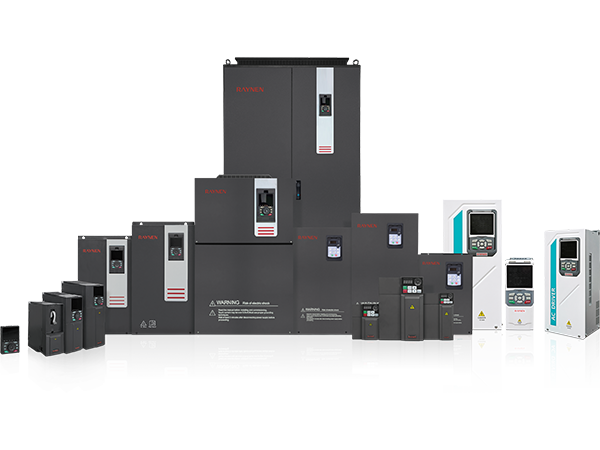
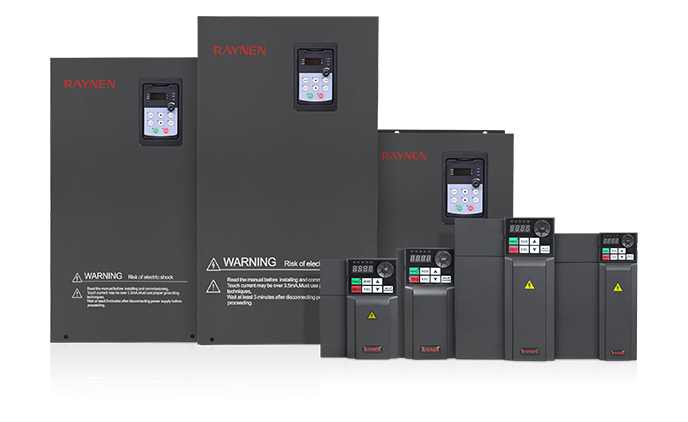
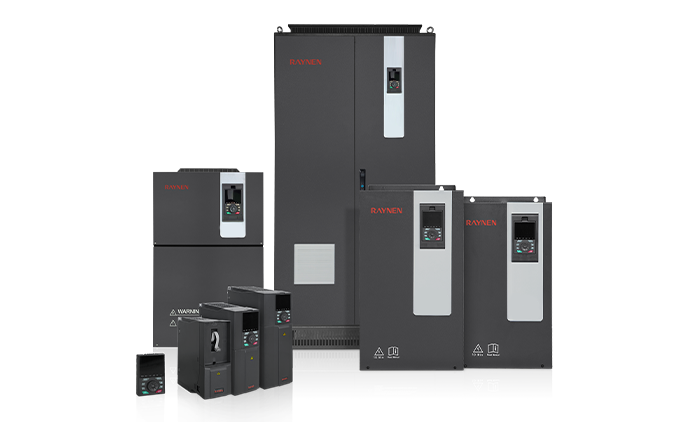
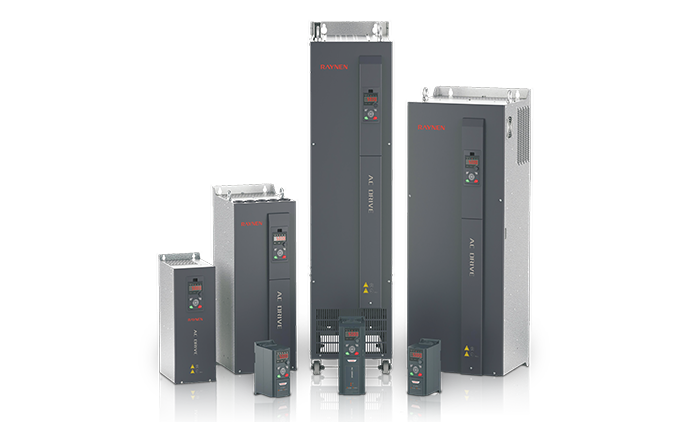




1.Introduction to AC Drives (Variable Frequency Drives) In the realm of modern industrial control an......
READ MOREThe Gentle Giant: Understanding the Medium-Voltage Soft Starter
Content
Why Starting a Big Motor is a Big Deal
Imagine trying to push a heavy car from a dead stop. You need a lot of initial force, right? Motors, especially the large, powerful ones used in heavy industry—like those driving massive pumps, compressors, or fans—face a similar challenge. When these medium-voltage (MV) motors are switched on directly, they draw an enormous surge of electrical current, often 6 to 10 times their normal operating current.
This sudden, massive inrush of current and the resulting mechanical shock are the primary reasons we need a special device called a Soft Starter.
The Problems with “Hard” Starting
Starting an MV motor the traditional, “hard” way (known as Direct-On-Line or DOL starting) causes several significant issues:
High Current Draw and Voltage Sags
The huge initial current demand, called the inrush current, puts a severe strain on the entire electrical system.
- It can cause voltage sags (momentary dips in voltage) across the entire plant’s power grid, which can disrupt or trip sensitive electronic equipment connected nearby.
- Over time, this repeated stress can lead to the premature failure of switchgear, cables, and even the power transformer.
Mechanical Stress and Wear
The sudden, powerful torque generated during a DOL start is a major mechanical shock.
- It causes violent jolts and vibrations on the motor itself, its coupling, and the driven equipment (like conveyor belts or gears).
- This leads to rapid wear and tear and increases the chances of costly breakdowns and maintenance.
Water Hammer (In Pumping Systems)
In piping systems, a sudden start can cause “water hammer”—a pressure surge or shockwave that travels through the pipe. This can severely damage pipes, valves, and seals.
The Soft Starter Solution: A Smoother Approach
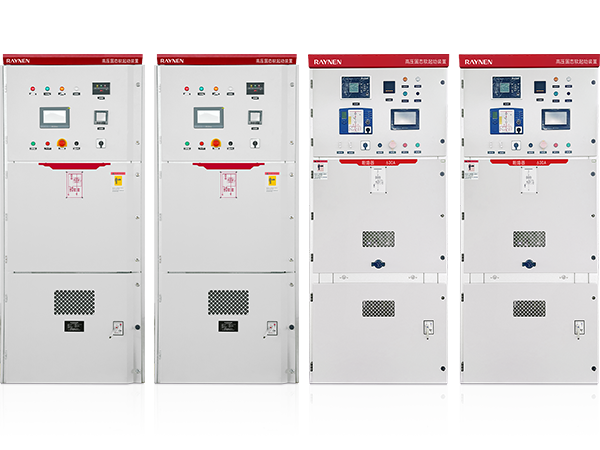
A Medium-Voltage Soft Starter is an electronic device designed to gradually increase the voltage supplied to an AC motor. By controlling the voltage, it effectively controls the torque (twisting force) and the current, allowing the motor to accelerate smoothly from zero speed up to its full operating speed.
How Does it Work?
At the heart of the soft starter are high-power electronic components called Silicon Controlled Rectifiers (SCRs) or thyristors.
[Image of a diagram showing the basic circuit of a 3-phase soft starter with SCRs]
Controlling the Power Flow
- Gating the SCRs: The soft starter essentially acts like a sophisticated electronic valve. The SCRs are connected back-to-back in pairs for each of the motor’s three power lines (phases).
- Ramping the Voltage: By adjusting the triggering angle (or firing angle) of the SCRs, the device can control the portion of the AC power wave that passes through to the motor.
- Smooth Acceleration:
- It begins with a low initial voltage, limiting the starting current and torque.
- It then slowly increases (ramps up) the voltage over a set period (usually a few seconds), smoothly accelerating the motor.
- Once the motor reaches full speed, the soft starter usually activates a bypass contactor to take the SCRs out of the circuit, ensuring the motor runs with maximum efficiency.
Key Benefits of Soft Starting
The “soft” in soft starter translates directly into significant operational and financial benefits:
- Reduced Electrical Stress: By limiting the inrush current, the soft starter protects the electrical infrastructure and prevents costly voltage sags.
- Extended Equipment Life: The elimination of mechanical shock dramatically reduces wear on the motor, gears, belts, and pipes, leading to less downtime and lower maintenance costs.
- Precise Control: Modern soft starters allow operators to fine-tune both the start time and, importantly, the stop time (a controlled shutdown is called soft stop), further preventing issues like water hammer.
- Energy Savings: While the primary benefit is control, reducing peak current demand can also help large facilities avoid peak demand penalties from the power utility.
In essence, the medium-voltage soft starter turns the brute force of a massive motor start into a controlled, gentle ramp-up, ensuring the motor and the entire system operate reliably for years to come.
Previous Post
The Silent Muscle: How the Industrial Servo Motor Powers Our Automated World
Next Post
Enhancing Motor Control: The Role of the Low-Voltage Soft Starter

Copyright 2024 Fujian Raynen Technology Co.,Ltd. All Rights Reserved.
Privacy Policy  Motor Control Manufacturers