English
 Español
 عربى
عربى
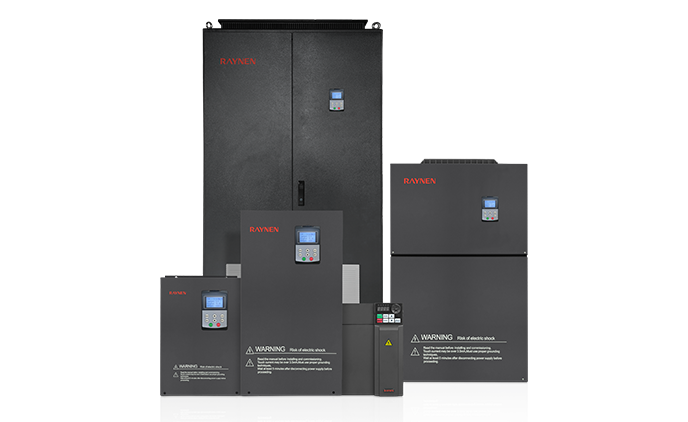
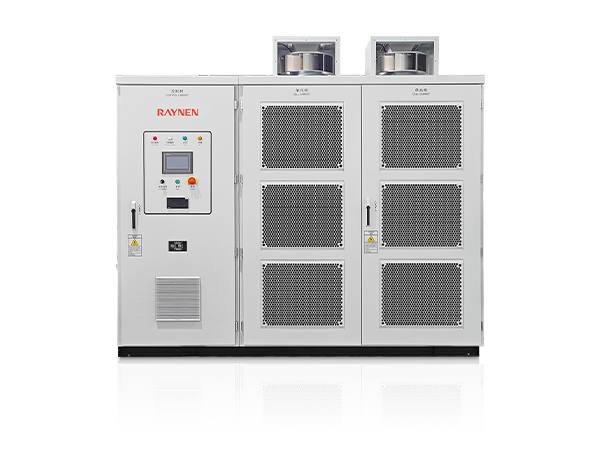
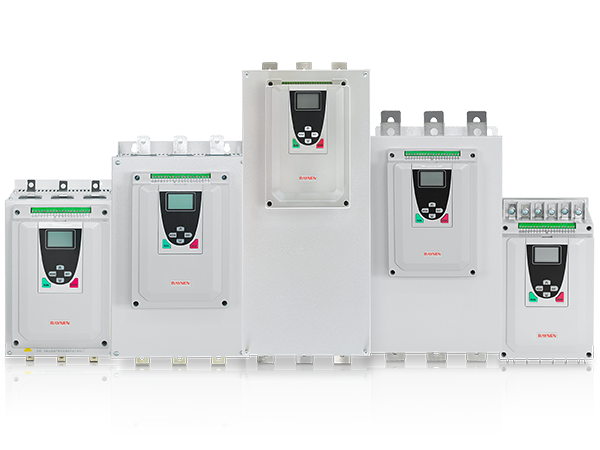
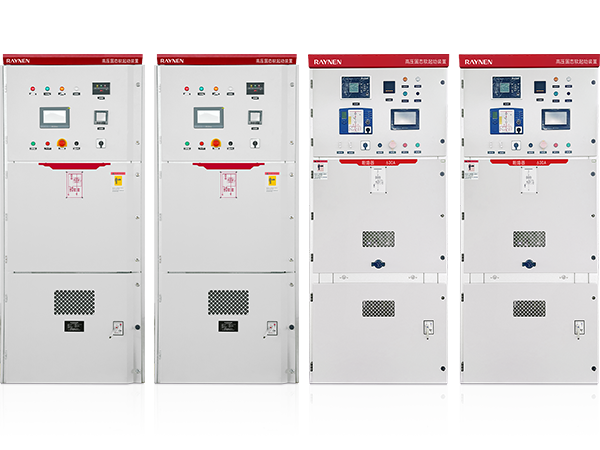
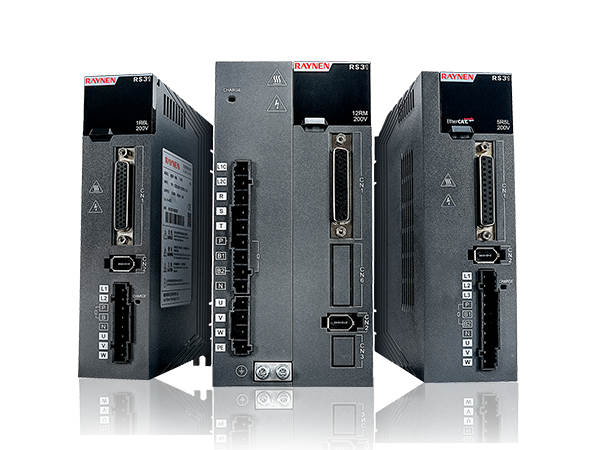


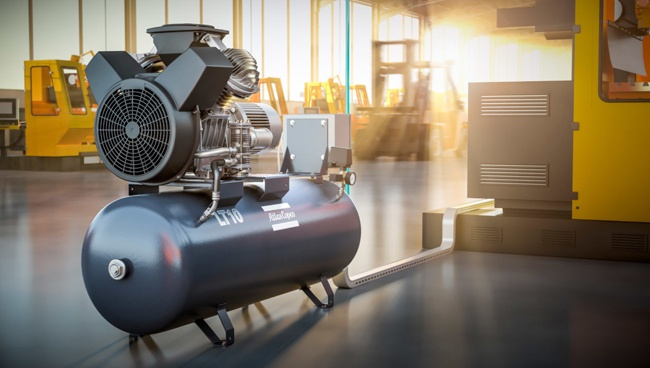

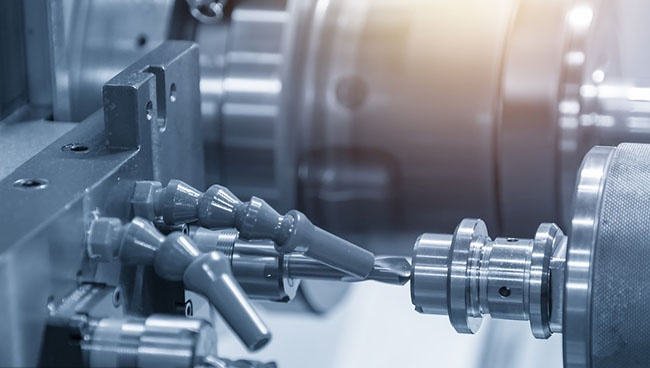
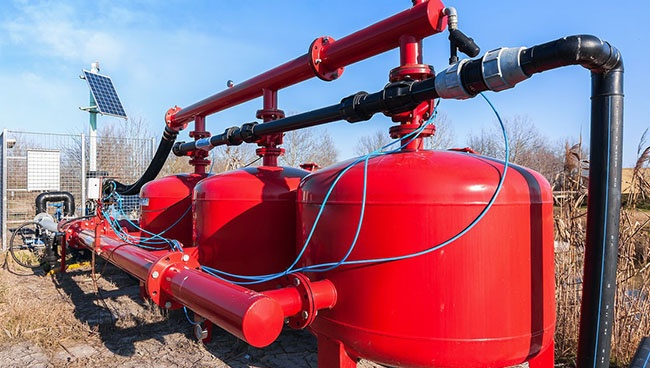





1.Introduction to AC Drives (Variable Frequency Drives) In the realm of modern industrial control an......
READ MOREHome / News / Industry News / Vector Variable Frequency Drive Explained: How It Gives You Precise Motor Control
Vector Variable Frequency Drive Explained: How It Gives You Precise Motor Control
Content
- 1 What Is a Vector Variable Frequency Drive and How Does It Differ From Standard VFDs
- 2 Main Types of Vector Control Used in Modern VFDs
- 3 Vector VFD vs Standard V/F Drive: A Practical Comparison
- 4 Industries and Applications That Rely on Vector Variable Frequency Drives
- 5 Key Factors to Consider When Selecting a Vector VFD for Your Application
- 6 Common Setup Mistakes That Reduce Vector Drive Performance
- 7 Questions to Ask a Supplier Before Purchasing a Vector Variable Frequency Drive
What Is a Vector Variable Frequency Drive and How Does It Differ From Standard VFDs
A vector variable frequency drive is an advanced type of motor controller that regulates both the frequency and voltage supplied to an AC induction motor while separately controlling the motor's magnetic flux and torque-producing current. Unlike a basic volts-per-hertz (V/F) variable frequency drive, which simply adjusts voltage proportionally to frequency without accounting for the motor's actual electrical behavior under load, a vector VFD uses mathematical models to calculate and independently control the two current components that determine motor torque and magnetic field strength. This allows the drive to respond to changing load conditions with far greater precision and speed.
The term "vector" refers to the drive's use of vector algebra to represent motor current as a rotating vector broken into two perpendicular components, typically labeled as the direct axis (flux-producing) and quadrature axis (torque-producing) currents. By controlling these two components independently in real time, a vector control VFD can deliver full torque even at very low speeds or near zero speed, something a standard V/F drive struggles to achieve reliably.
Main Types of Vector Control Used in Modern VFDs
Not every vector variable frequency drive operates the same way internally. Manufacturers typically offer a few distinct control strategies, each suited to different application requirements and budget considerations.
Sensorless Vector Drive
A sensorless vector drive estimates the motor's rotor speed and position using mathematical models based on voltage and current measurements, without requiring a physical feedback device like an encoder. This makes it a cost-effective option for applications needing improved low-speed torque and dynamic response without the added expense and wiring complexity of an external sensor.
Closed Loop Vector Drive
A closed loop vector drive incorporates an encoder or resolver mounted directly on the motor shaft to provide precise, real-time speed and position feedback. This configuration delivers the highest level of control accuracy, including full torque at zero speed, making it the preferred choice for applications like elevators, cranes, and precision positioning equipment where exact speed regulation is critical.
Open Loop Vector Drive
Similar in concept to sensorless vector control, an open loop vector drive relies on internal motor parameter data rather than direct feedback, offering a middle ground between basic V/F control and full closed loop precision, suitable for general industrial applications that need better torque control without the cost of an encoder feedback system.
Vector VFD vs Standard V/F Drive: A Practical Comparison
Engineers evaluating drive options for a new project often need a clear, practical comparison between vector control and traditional V/F control to justify the additional cost that vector-capable drives typically carry. The table below highlights the differences that matter most in real-world applications.
| Performance Factor | Vector Variable Frequency Drive | Standard V/F Drive |
| Low-Speed Torque | Excellent, even near zero speed | Weak, torque drops significantly |
| Speed Regulation Accuracy | High precision, fast response | Moderate, slower correction |
| Response to Sudden Load Changes | Fast, dynamic torque adjustment | Slower, less responsive |
| Typical Cost | Higher | Lower |
| Best Suited Applications | Cranes, elevators, extruders, precision machinery | Fans, pumps, simple conveyors |
Industries and Applications That Rely on Vector Variable Frequency Drives
Because of their superior torque control and speed regulation, vector VFDs have become the standard choice in industries where motor performance under variable or heavy loads directly impacts product quality, safety, or process efficiency.
- Crane and hoist systems that require precise, stable control at very low speeds during lifting operations
- Plastic extrusion and film processing lines where consistent torque prevents material thickness variation
- Textile winding and unwinding machines that need tight tension control throughout the process
- Elevator and escalator systems requiring smooth acceleration and precise stopping accuracy
- CNC machine tools and robotics where fast torque response affects machining accuracy
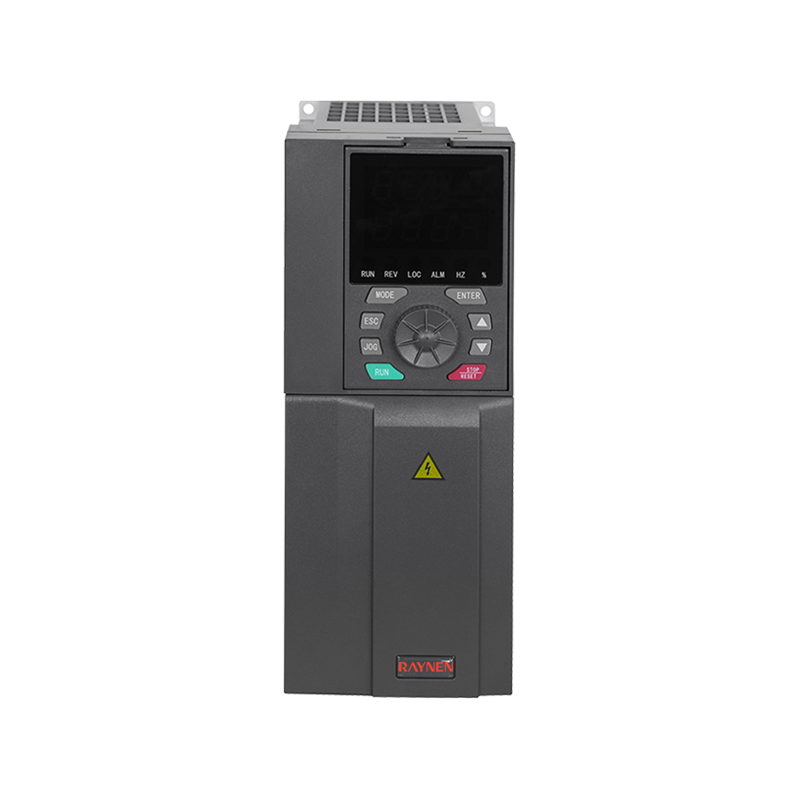
Key Factors to Consider When Selecting a Vector VFD for Your Application
Choosing the right vector variable frequency drive involves more than simply matching motor horsepower to drive rating. Several application-specific factors should guide the final decision to ensure reliable, efficient long-term performance.
Start by determining whether your application genuinely requires closed loop feedback accuracy or whether a sensorless vector drive can meet performance needs at a lower cost, since encoder-based systems add wiring complexity and maintenance points. Consider the motor's overload requirements during startup or sudden load changes, as some vector drives offer significantly higher instantaneous overload capacity than others, which matters greatly in applications like crushers or compressors with high starting torque demands. It's also important to verify compatibility with your specific motor type, since vector control performance depends on accurate motor parameter identification, and mismatched or poorly tuned parameters can lead to unstable operation or reduced efficiency.
Common Setup Mistakes That Reduce Vector Drive Performance
Even a well-designed vector control VFD can underperform if it isn't commissioned correctly. Recognizing these common setup mistakes helps technicians avoid frustrating troubleshooting sessions after installation.
- Skipping the motor auto-tuning procedure, which prevents the drive from accurately modeling motor characteristics
- Entering incorrect motor nameplate data, leading to inaccurate torque and flux calculations
- Using an oversized or undersized motor relative to the drive's rated output capacity
- Neglecting proper encoder alignment and shielding in closed loop vector drive installations
- Failing to adjust PID gain settings for the specific load inertia of the connected machinery
Questions to Ask a Supplier Before Purchasing a Vector Variable Frequency Drive
Before committing to a specific vector VFD model, it's worth clarifying a few technical and support-related details with the supplier to avoid mismatched expectations after installation.
- Does the drive support both sensorless and closed loop vector control, or only one mode
- What is the drive's rated overload capacity and for how long can it be sustained
- Does the drive offer built-in auto-tuning, and how straightforward is the commissioning process
- What communication protocols are supported for integration with existing PLC or SCADA systems
- What warranty and technical support options are available if commissioning issues arise
Previous Post
What Are Low Voltage AC Drives? A Simple Guide to How They Work and Why They Matter
Next Post
Human Machine Interface 101: What It Is and How to Choose the Right One

Copyright 2024 Fujian Raynen Technology Co.,Ltd. All Rights Reserved.
Privacy Policy  Motor Control Manufacturers