English
 Español
 عربى
عربى






1.Introduction to AC Drives (Variable Frequency Drives) In the realm of modern industrial control an......
READ MOREHome / News / Industry News / Human Machine Interface 101: What It Is and How to Choose the Right One
Human Machine Interface 101: What It Is and How to Choose the Right One
Content
- 1 What a Human Machine Interface Actually Does on the Factory Floor
- 2 Common Types of HMI and Where Each One Fits
- 3 Key Factors to Evaluate When Selecting an HMI Panel
- 4 Comparing Screen Size Options for Different Applications
- 5 Designing an Interface Operators Will Actually Use Correctly
- 6 Questions to Ask Before Purchasing or Upgrading
- 7 Choosing an Interface That Supports Reliable Operation
What a Human Machine Interface Actually Does on the Factory Floor
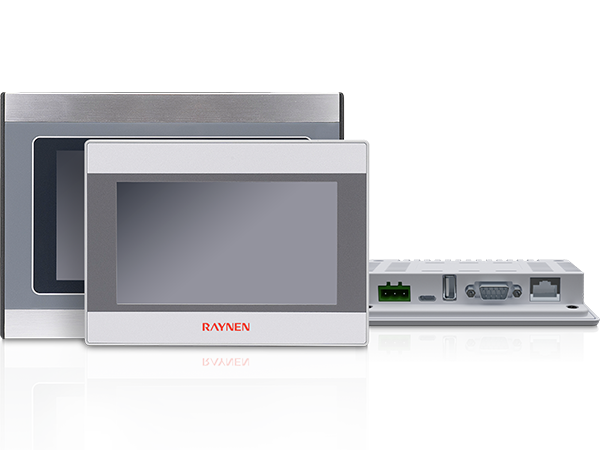
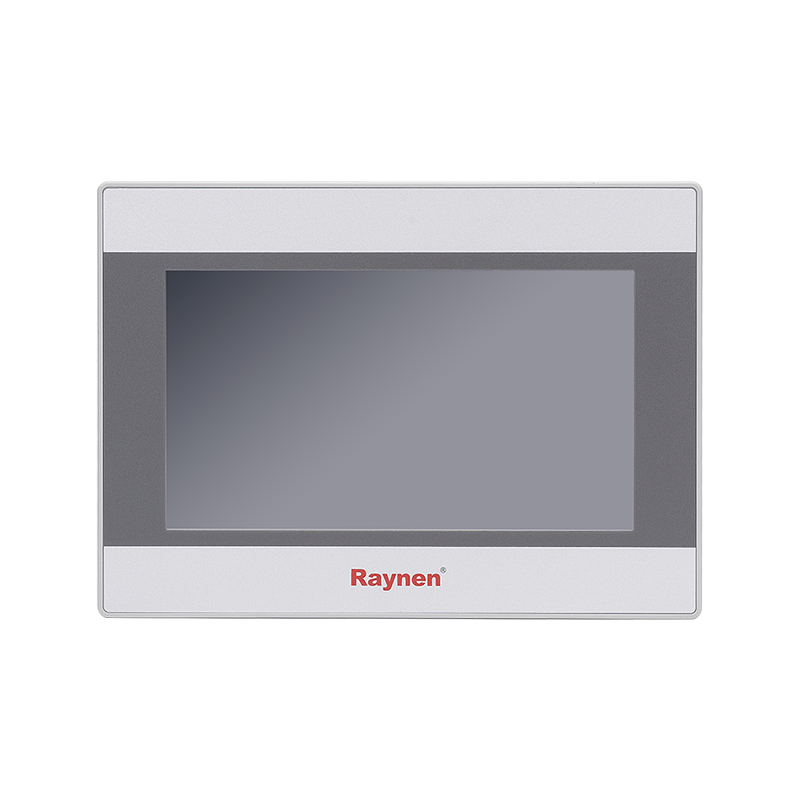
A human machine interface, commonly shortened to HMI, is the control panel that lets operators monitor and interact with industrial equipment without needing to access the underlying programming or wiring directly. Instead of relying on physical buttons, dials, and indicator lights scattered across a machine, an HMI panel consolidates this into a digital screen where operators can view real-time data, adjust settings, and respond to alarms from a single interface. This equipment sits between the operator and the PLC (programmable logic controller) that actually runs the machine's automation logic, translating raw system data into a format that's easy to read and act on. For manufacturers running automated production lines, packaging equipment, or process control systems, the quality of the HMI often determines how quickly operators can catch problems and how much training new staff need before they can run equipment confidently.
Common Types of HMI and Where Each One Fits
Not all human machine interfaces are built for the same application, and choosing the right type depends on factors like environment, complexity of the equipment being controlled, and how much data needs to be displayed at once.
Basic Text-Based HMI
These simpler units display limited text or numeric data on a small screen, often paired with physical buttons for navigation. They're commonly used on standalone equipment with straightforward control needs, where a full graphical interface would add unnecessary cost without meaningful benefit.
Graphic HMI Touch Screen
An HMI touch screen with full graphic capability allows operators to interact with visual representations of the process, such as animated diagrams showing tank levels, conveyor status, or temperature trends. This type has become the standard choice for most modern industrial applications because touch navigation is faster and more intuitive than scrolling through text menus, especially for operators managing multiple parameters simultaneously.
SCADA-Integrated HMI Systems
For larger facilities managing multiple machines or production lines, HMI panels are often integrated into a broader SCADA (Supervisory Control and Data Acquisition) system, allowing data from individual machines to be aggregated and viewed at a plant-wide level. This setup is typically used in facilities where centralized monitoring and historical data logging matter as much as local machine control.
Key Factors to Evaluate When Selecting an HMI Panel
Choosing the right industrial HMI involves more than picking a screen size — several technical factors affect how well the panel will perform in its intended environment and how easily it integrates with existing equipment.
- Screen resolution and brightness — higher resolution improves readability of detailed graphics, while higher brightness matters for outdoor or high-glare environments
- Communication protocol compatibility — confirm the HMI supports the same protocol used by your PLC, such as Modbus, Ethernet/IP, or Profinet
- Environmental rating — IP65 or higher rated panels resist dust and water exposure, which matters for washdown areas or outdoor installations
- Processing power and memory — affects how smoothly the interface runs with complex graphics, trend logging, or recipe management features
- Programming software ecosystem — some platforms are easier to develop and maintain than others, which affects long-term support costs
Comparing Screen Size Options for Different Applications
HMI display size should be matched to how much information needs to be shown at once and how much physical panel space is available on the equipment. The table below outlines general size categories and where they're typically applied.
| Screen Size | Typical Use Case | Best Suited For |
| 4–7 inch | Basic status display, simple controls | Single-purpose machines, compact equipment |
| 8–12 inch | Multi-parameter monitoring, trend graphs | Standard production line control panels |
| 15 inch and above | Complex process overview, multi-screen navigation | Central control rooms, large-scale process systems |
Designing an Interface Operators Will Actually Use Correctly
Even high-quality hardware can lead to operator errors if the screen layout and navigation are poorly designed. Good HMI interface design follows a few consistent principles that reduce confusion and speed up response time during abnormal conditions.
- Keep critical alarms and emergency controls visually distinct and consistently placed across all screens
- Use color coding consistently, such as red for faults and green for normal operation, without overloading the screen with too many colors
- Limit the number of menu levels operators need to navigate to reach common functions
- Display only the data operators need for their specific role, rather than cramming every available data point onto one screen
- Test the interface with actual operators before final deployment, since usability issues often only surface during real hands-on use
Questions to Ask Before Purchasing or Upgrading
Whether replacing an aging panel or specifying equipment for a new line, asking the right questions upfront helps avoid compatibility issues and unnecessary costs later.
- Is the panel compatible with our existing PLC brand and communication protocol?
- What environmental rating does the panel carry, and does it match our installation conditions?
- Is the programming software included, and what is the licensing cost for future modifications?
- What is the expected lifespan of the touch screen technology under continuous industrial use?
- Is local technical support available if the panel needs troubleshooting or replacement parts?
Choosing an Interface That Supports Reliable Operation
Selecting the right human machine interface comes down to matching screen capability, environmental durability, and communication compatibility to your specific equipment and operating conditions, rather than defaulting to the most feature-rich option available. Buyers who confirm protocol compatibility, choose an appropriate environmental rating, and prioritize clear interface design tend to avoid the operator confusion and integration headaches that come from mismatched HMI selection. Since this panel is the primary point of interaction between people and automated equipment, getting these details right has a direct impact on both operational efficiency and workplace safety.
Previous Post
Vector Variable Frequency Drive Explained: How It Gives You Precise Motor Control
Next Post
Low-Voltage Variable Frequency Drive Explained: How It Works and How to Choose One

Copyright 2024 Fujian Raynen Technology Co.,Ltd. All Rights Reserved.
Privacy Policy  Motor Control Manufacturers