English
 Español
 عربى
عربى
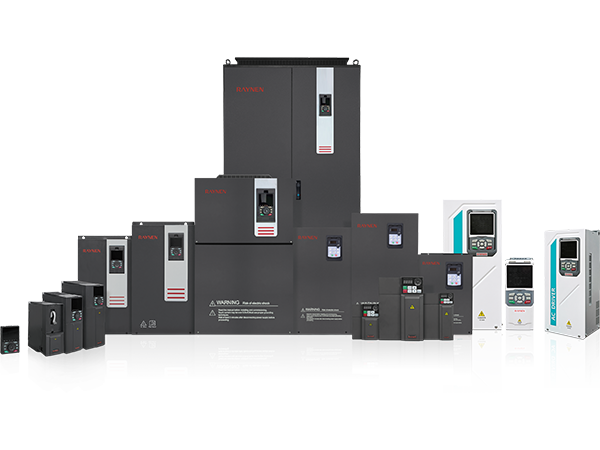
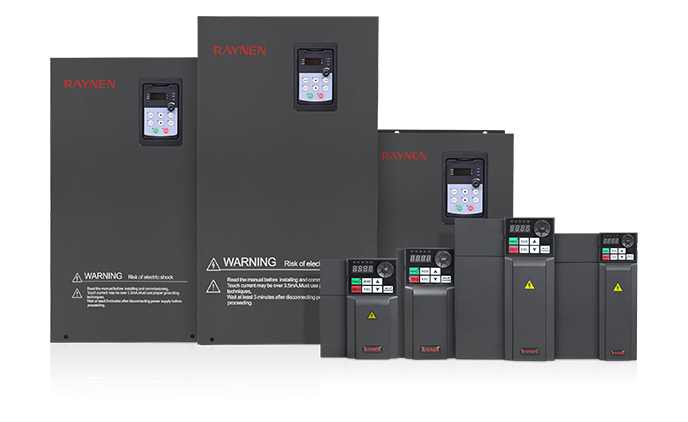
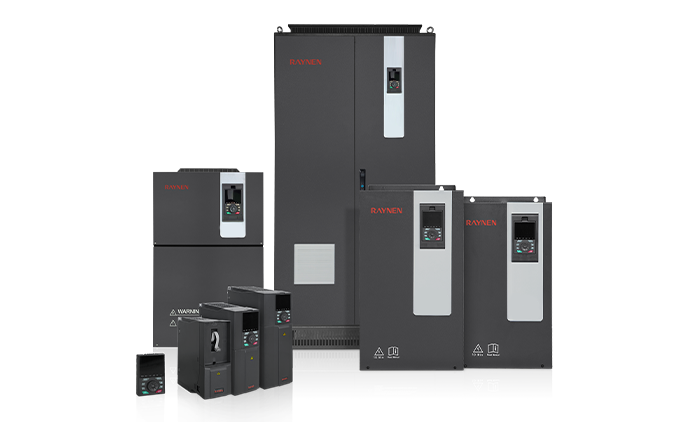
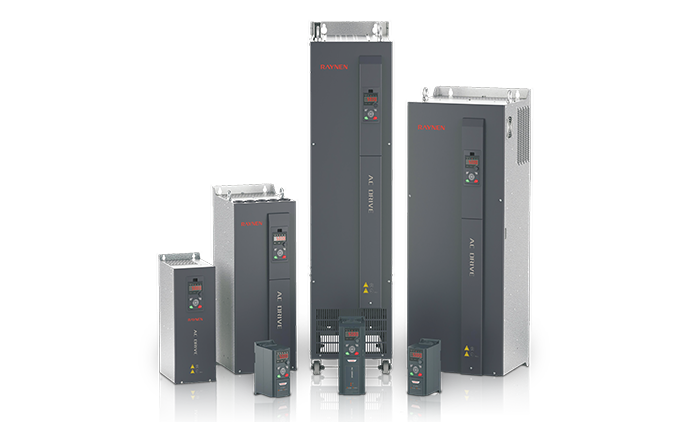
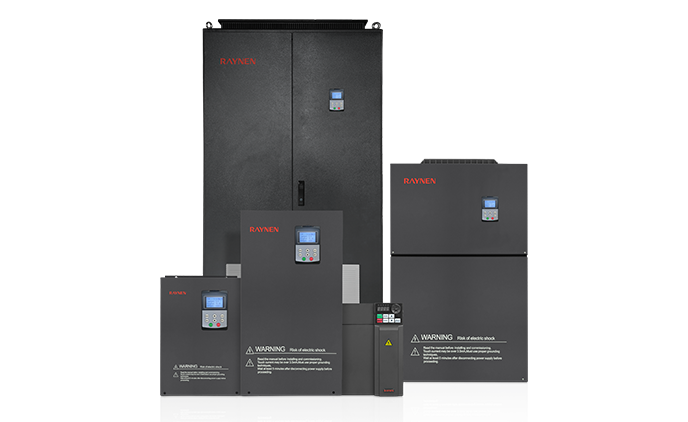









1.Introduction to AC Drives (Variable Frequency Drives) In the realm of modern industrial control an......
READ MOREWhat a Soft Starter Is Used For
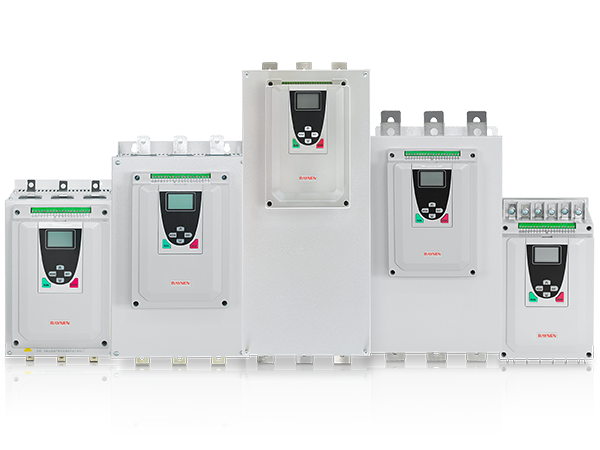
A Soft Starter is a motor starting device that reduces electrical and mechanical stress during motor startup and shutdown. Instead of applying full voltage instantly, a soft starter gradually increases voltage, allowing the motor to accelerate smoothly. This makes it especially useful for AC induction motors that operate at a fixed speed after startup.
In everyday industrial use, a motor soft starter helps protect motors, gearboxes, belts, and driven equipment while also reducing voltage dips in the power supply.
Content
- 1 How a Soft Starter Works During Motor Startup
- 2 Soft Starter Compared With Other Starting Methods
- 3 Typical Applications for a Soft Starter
- 4
- 5 Important Soft Starter Settings You Should Know
- 6 How to Choose the Right Soft Starter Size
- 7 Soft Starter vs VFD in Real Applications
- 8 Installation Tips That Improve Soft Starter Life
- 9 Common Soft Starter Issues and Quick Checks
How a Soft Starter Works During Motor Startup
A Soft Starter controls the voltage supplied to the motor using semiconductor devices such as thyristors or SCRs. At startup, the voltage is limited, which also limits current and torque. As time passes, the voltage ramps up until full line voltage is reached.
Once the motor reaches normal operating speed, most soft starters activate a bypass circuit. This removes the power electronics from the circuit, reducing heat loss and improving efficiency during continuous operation.
Soft Starter Compared With Other Starting Methods
Traditional starting methods like Direct-On-Line starting apply full voltage immediately, causing high inrush current and sudden mechanical shock. A Soft Starter offers a much smoother alternative without changing motor speed.
| Starting Method | Starting Current | Mechanical Stress |
| Direct-On-Line | Very High | High |
| Star-Delta | Medium | Medium |
| Soft Starter | Low and Controlled | Low |
Typical Applications for a Soft Starter
A Soft Starter is best suited for applications where speed control is not needed, but smooth acceleration and deceleration are important. It is widely used across many industries.
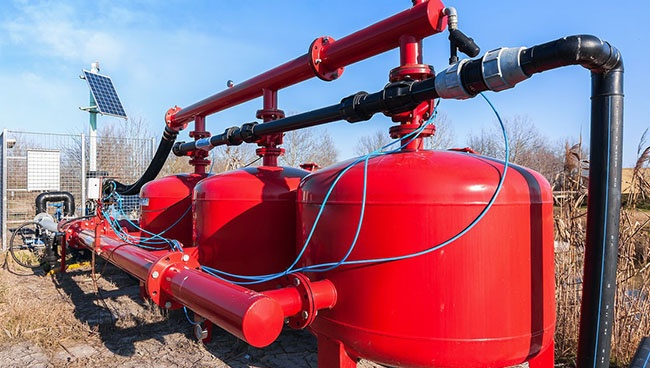
- Pumps to reduce pressure surges and water hammer
- Fans and blowers to protect belts and bearings
- Conveyors to prevent load shifting or spillage
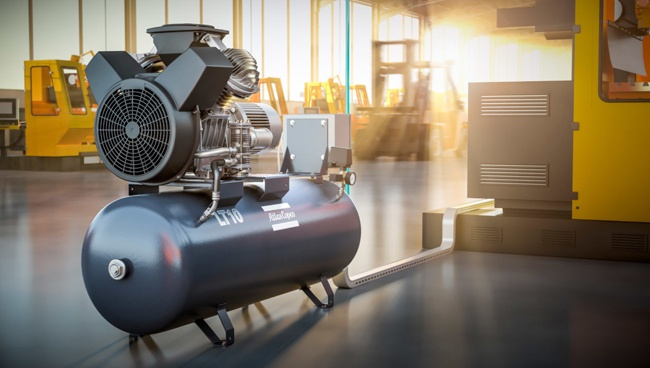
- Compressors with high starting inertia
Important Soft Starter Settings You Should Know
Correct parameter settings make a big difference in how well a Soft Starter performs. Even small adjustments can improve reliability and startup behavior.
Initial Voltage and Ramp Time
Initial voltage determines how much torque the motor produces at startup. Ramp time defines how long the motor takes to reach full voltage. The goal is smooth acceleration without stalling or excessive current.
Current Limit and Protection
Current limiting protects both the motor and the electrical network. Proper overload and phase-loss protection settings help prevent damage under abnormal conditions.
How to Choose the Right Soft Starter Size
Soft Starter sizing is mainly based on motor rated current and load characteristics. For heavy-duty applications, choosing a slightly larger soft starter is often recommended.
| Load Type | Recommended Sizing |
| Light Load | Match motor current |
| Medium Load | 10–15% current margin |
| Heavy Load | 20–30% current margin |
Soft Starter vs VFD in Real Applications
A Soft Starter only controls voltage during startup and stop, while a VFD controls both voltage and frequency for full speed control. If the motor always runs at full speed, a soft starter is simpler, cheaper, and easier to maintain.
For applications that require variable speed or energy savings at partial load, a VFD may be the better choice. Knowing the difference helps avoid overengineering.
Installation Tips That Improve Soft Starter Life
Correct installation helps ensure long service life and stable operation. Heat and wiring issues are common causes of failure.
- Provide sufficient ventilation and cooling space
- Use properly sized cables and secure connections
- Check bypass contactors during maintenance
Common Soft Starter Issues and Quick Checks
If a Soft Starter fails to start a motor or trips unexpectedly, the cause is often incorrect settings, excessive load, or poor power quality. Overcurrent and thermal alarms are the most common faults.
Before replacing the unit, confirm motor data, inspect mechanical load, and verify parameter settings. Simple checks often restore normal operation without downtime.
Previous Post
Why an AC Servo Motor is the Brains Behind Modern Automation
Next Post
What a Soft Starter Really Does

Copyright 2024 Fujian Raynen Technology Co.,Ltd. All Rights Reserved.
Privacy Policy  Motor Control Manufacturers