English
 Español
 عربى
عربى
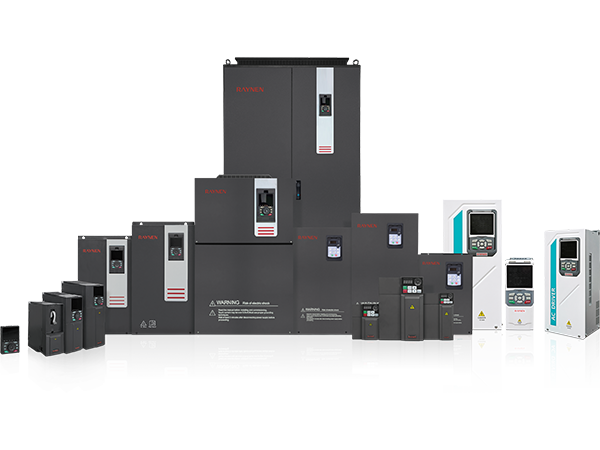
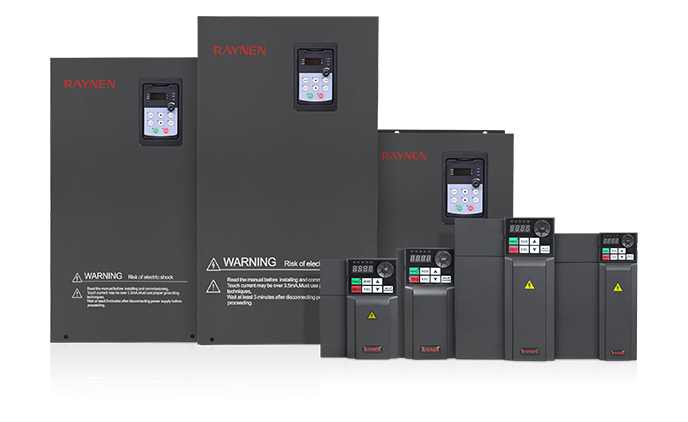
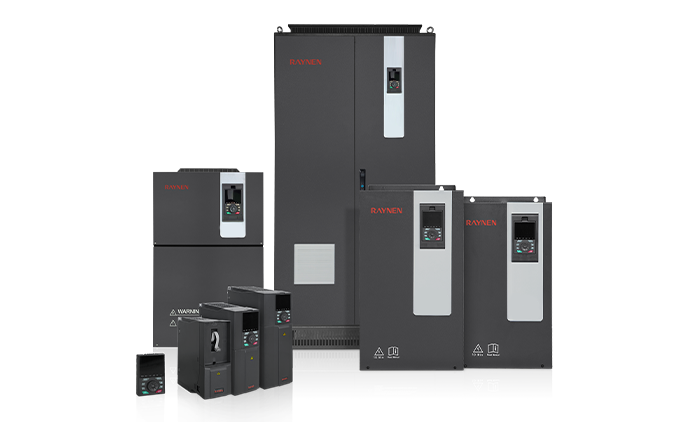
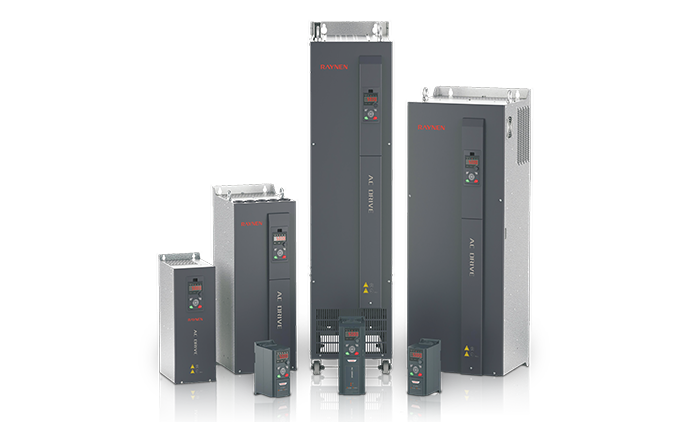








1.Introduction to AC Drives (Variable Frequency Drives) In the realm of modern industrial control an......
READ MOREWhat a Soft Starter Really Does
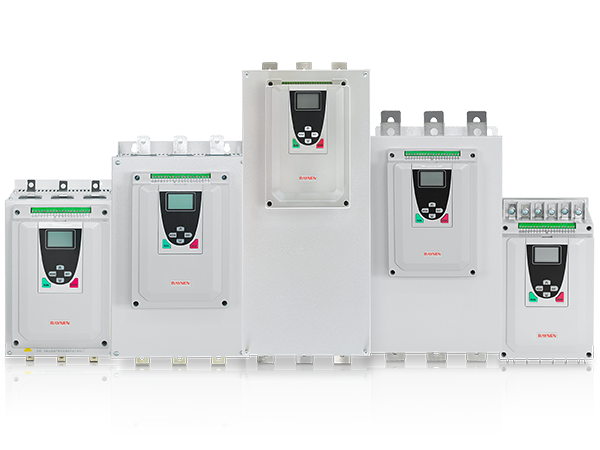
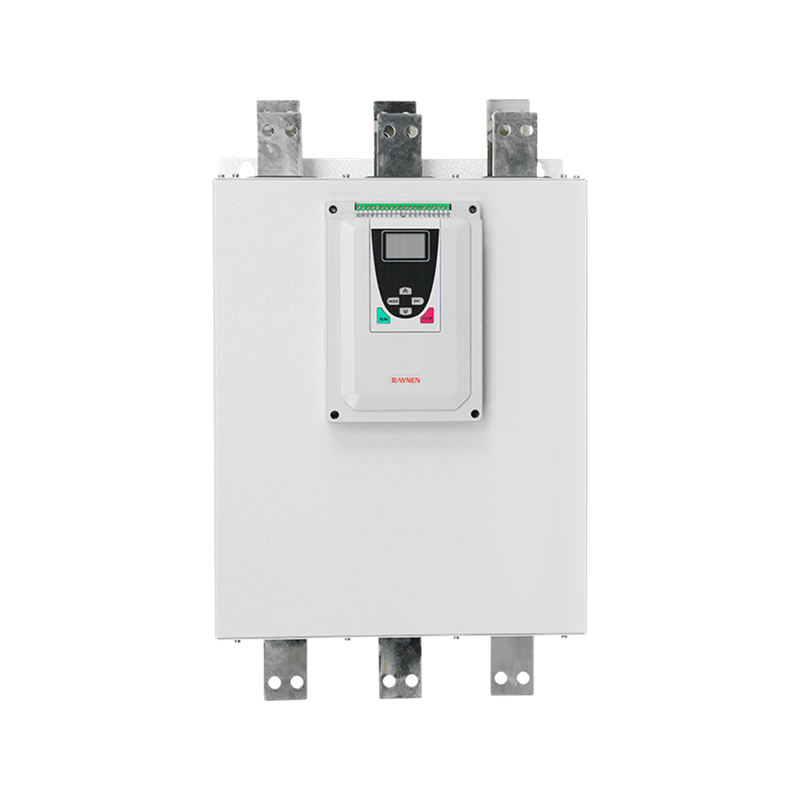
A Soft Starter is a motor control device designed to reduce the electrical and mechanical stress that occurs when an electric motor starts or stops. Instead of applying full voltage instantly, a motor soft starter gradually increases the voltage, allowing the motor to ramp up smoothly.
This controlled start helps protect motors, gearboxes, belts, and power systems. Soft starters are widely used with AC induction motors where full-speed control is not required, but smooth starting is critical.
Content
- 1 How a Soft Starter Works in Practice
- 2 Soft Starter vs Direct-On-Line Starting
- 3 Where a Soft Starter Is the Best Choice
- 4
- 5 Key Soft Starter Parameters You Should Set Correctly
- 6 Soft Starter vs VFD: Knowing the Difference
- 7 How to Size a Soft Starter Correctly
- 8 Installation Tips That Improve Reliability
- 9 Common Soft Starter Problems and Simple Checks
How a Soft Starter Works in Practice
A Soft Starter works by controlling the voltage applied to the motor during startup. Most soft starters use thyristors (SCRs) to limit voltage and current. As the start sequence progresses, the voltage gradually increases until the motor reaches full speed.
Once the motor is running normally, many soft starters bypass the SCRs using an internal or external bypass contactor. This reduces heat buildup and improves overall efficiency.
Soft Starter vs Direct-On-Line Starting
Direct-On-Line (DOL) starting applies full voltage instantly, causing high inrush current and sudden mechanical shock. A Soft Starter offers a much gentler alternative, especially for larger motors or sensitive loads.
| Starting Method | Impact on Motor | Impact on Power Grid |
| Direct-On-Line | High mechanical stress | High inrush current |
| Soft Starter | Smooth acceleration | Reduced current surge |
Where a Soft Starter Is the Best Choice
A Soft Starter is ideal for applications where the motor runs at a fixed speed but needs controlled starting and stopping. It is commonly used in industrial and commercial environments.
- Pumps to reduce water hammer during startup
- Fans and blowers to limit belt and bearing stress
- Conveyors to prevent material spillage
- Compressors with high starting torque
Key Soft Starter Parameters You Should Set Correctly
Proper parameter settings ensure reliable performance and long equipment life. While soft starters are simpler than variable frequency drives, setup still matters.
Starting Voltage and Ramp Time
The starting voltage determines how much torque is available at startup. Ramp time controls how quickly the motor reaches full voltage. Too fast can cause stress, while too slow may prevent the motor from starting properly.
Current Limit
Current limiting protects both the motor and the power supply. Setting a reasonable current limit helps prevent nuisance trips while still delivering enough torque to start the load.
Soft Starter vs VFD: Knowing the Difference
A Soft Starter controls voltage during startup and stop only, while a VFD controls both voltage and frequency continuously. If speed control is not required, a soft starter is usually simpler and more cost-effective.
For applications like pumps that only need smooth starting, a soft starter avoids the complexity and cost of a full variable speed system.
How to Size a Soft Starter Correctly
Soft starter sizing is based mainly on motor rated current and load type. Oversizing slightly is common practice, especially for heavy-duty or high-inertia loads.
| Load Type | Sizing Guidance |
| Light Load (Fan) | Match motor rated current |
| Normal Load (Pump) | 10–15% current margin |
| Heavy Load (Crusher) | 20–30% current margin |
Installation Tips That Improve Reliability
Correct installation plays a major role in soft starter performance. Heat, wiring quality, and environment all affect reliability.
- Ensure proper ventilation around the soft starter
- Use correct cable sizes to handle starting current
- Check bypass contactor operation regularly
Common Soft Starter Problems and Simple Checks
If a Soft Starter trips or fails to start a motor, the issue is often related to incorrect settings or load conditions. Common alarms include overcurrent, phase loss, and thermal overload.
Before replacing the unit, verify motor data, check mechanical load, and inspect power connections. Small adjustments often solve the problem quickly.
Previous Post
What a Soft Starter Is Used For
Next Post
What a VFD Frequency Drive Actually Does

Copyright 2024 Fujian Raynen Technology Co.,Ltd. All Rights Reserved.
Privacy Policy  Motor Control Manufacturers