English
 Español
 عربى
عربى
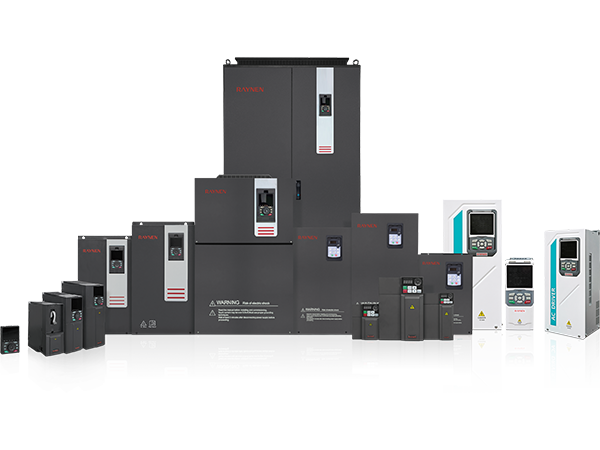
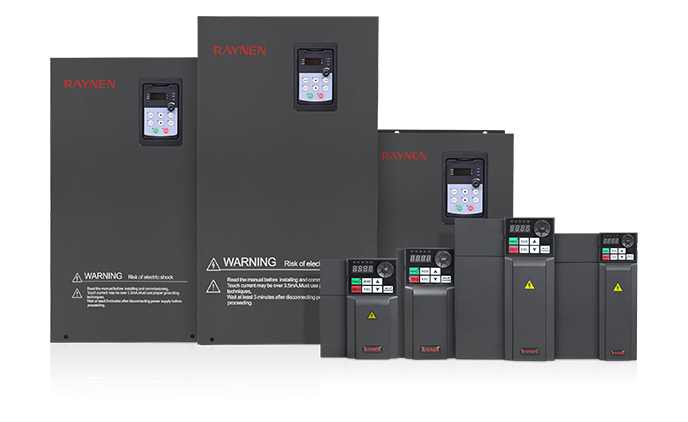
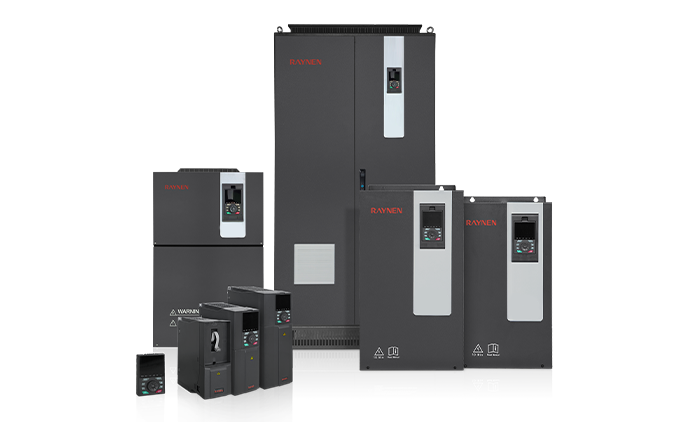
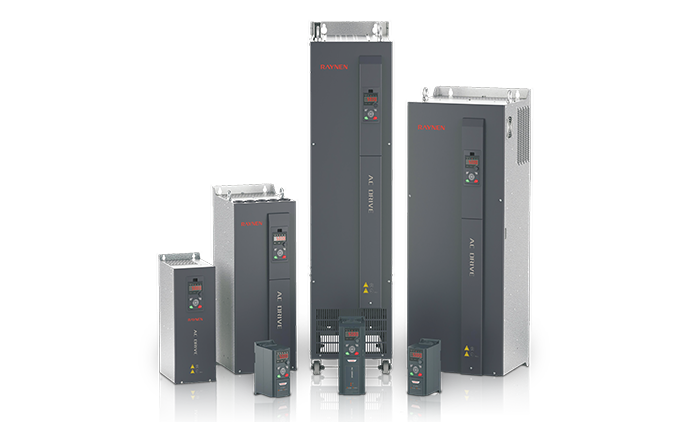
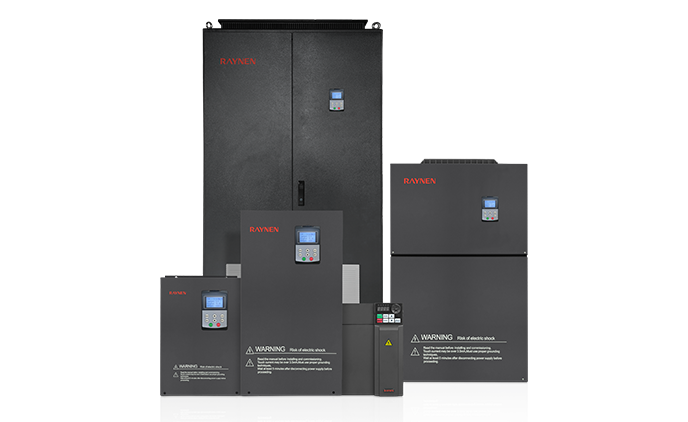
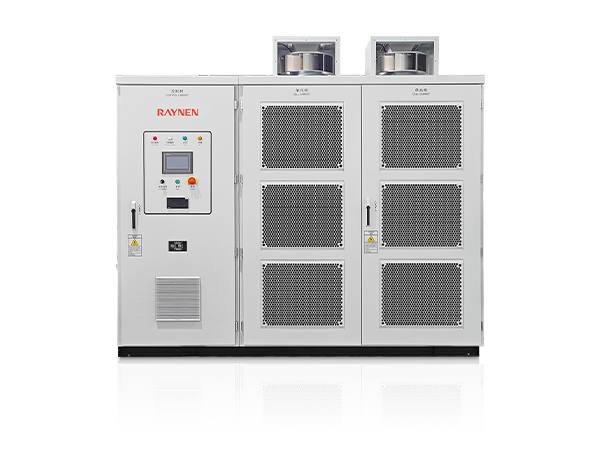
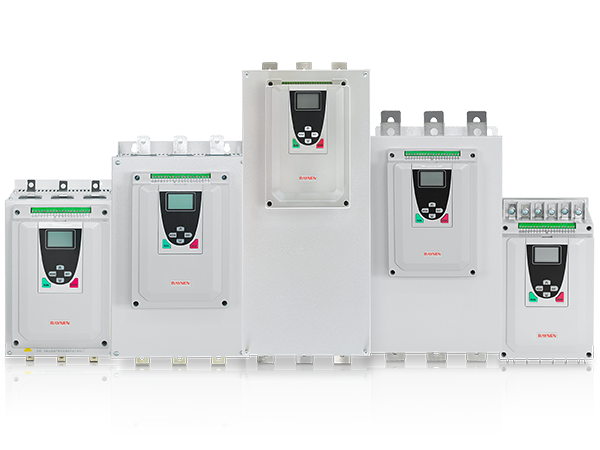
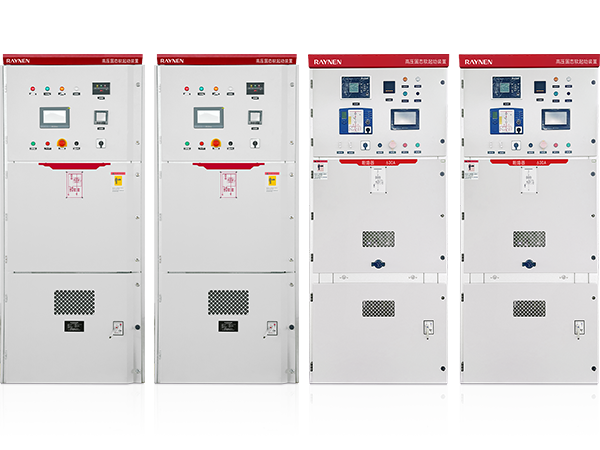








1.Introduction to AC Drives (Variable Frequency Drives) In the realm of modern industrial control an......
READ MOREWhat a VFD Frequency Drive Actually Does
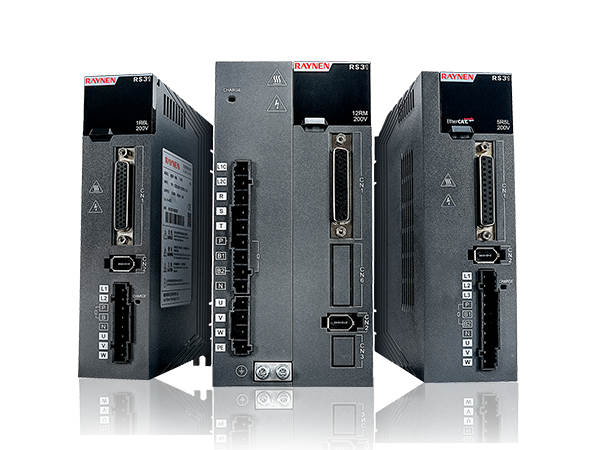
A VFD frequency drive, also known as a variable frequency drive or motor frequency inverter, is used to control the speed and torque of an AC motor by adjusting the input frequency and voltage. Instead of running a motor at full speed all the time, a VFD lets you match motor speed to real working demand, which saves energy and reduces mechanical stress.
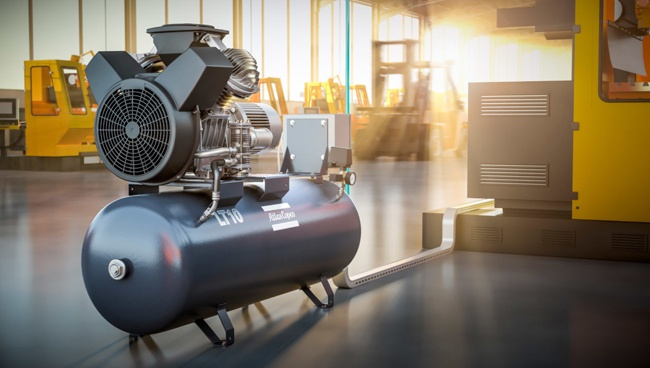
In real-world applications like pumps, fans, conveyors, and compressors, this means smoother operation, lower electricity bills, and longer equipment life. A VFD frequency drive is especially valuable where load conditions change frequently.
Content
- 1 Core Components Inside a VFD Frequency Drive
- 2 How Frequency Control Changes Motor Speed
- 3 Common Applications Where VFD Frequency Drives Shine
- 4 Energy Savings Explained in Practical Terms
- 5 Key Parameters You Must Set Correctly
- 6
- 7 Choosing the Right VFD Frequency Drive Size
- 8 Installation Tips That Prevent Common Problems
- 9 Typical VFD Frequency Drive Faults and Quick Checks
Core Components Inside a VFD Frequency Drive
Understanding what’s inside a VFD frequency drive helps you troubleshoot issues and choose the right model. Most drives follow the same internal structure, even across different brands.
- Rectifier: converts incoming AC power into DC power
- DC bus: smooths and stores DC voltage using capacitors
- Inverter: converts DC back into AC at adjustable frequency and voltage
- Control board: manages speed commands, protection logic, and communication
How Frequency Control Changes Motor Speed
Motor speed is directly related to power frequency. A standard motor running at 60Hz spins at a fixed speed. When a VFD frequency drive lowers the frequency to 40Hz or 30Hz, the motor speed drops proportionally. Raising the frequency increases speed within safe limits.
To keep torque stable, the VFD also adjusts voltage along with frequency. This coordinated control is why VFDs can run motors smoothly across a wide speed range without overheating.
Common Applications Where VFD Frequency Drives Shine
A VFD frequency drive is most effective in applications where speed does not need to be constant. Below are some practical examples where VFDs deliver clear benefits.
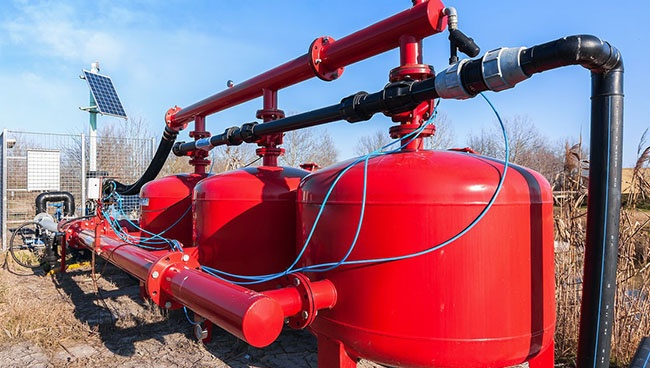
- Centrifugal pumps: flow control without throttling valves
- Fans and blowers: major energy savings at reduced speeds
- Conveyors: smooth acceleration and deceleration
- Mixers and extruders: precise speed matching to material load
Energy Savings Explained in Practical Terms
Energy savings are one of the biggest reasons to install a VFD frequency drive. For fans and pumps, power consumption drops dramatically when speed is reduced. Running a motor at 80% speed can cut energy use by nearly 50% in some applications.
Instead of wasting energy through mechanical control methods, the VFD delivers only the power the motor actually needs. Over time, this often pays back the drive cost faster than expected.
Key Parameters You Must Set Correctly
Proper parameter setup is critical for stable operation. Incorrect settings can lead to motor overheating, poor torque, or nuisance trips. Every VFD frequency drive requires basic motor data before commissioning.
- Motor rated voltage and current
- Base frequency and rated speed
- Acceleration and deceleration time
- Overload and protection limits
Choosing the Right VFD Frequency Drive Size
Selecting the correct drive size is not just about motor horsepower. Load type, duty cycle, and starting torque all matter. For heavy-load applications like crushers or compressors, oversizing the VFD frequency drive is often recommended.
| Application Type | Sizing Recommendation |
| Fan / Pump | Match motor rated current |
| Conveyor | 10–20% current margin |
| High Torque Load | 20–30% oversizing |
Installation Tips That Prevent Common Problems
Many VFD frequency drive failures are caused by poor installation rather than product defects. Paying attention to wiring, grounding, and ventilation can prevent most issues.
- Use shielded motor cables to reduce electrical noise
- Ensure proper grounding for both drive and motor
- Keep adequate airflow around the drive enclosure
Typical VFD Frequency Drive Faults and Quick Checks
When a VFD trips, the fault code usually points you in the right direction. Overcurrent, overvoltage, and overheating are the most common alarms.
Before replacing parts, check basic conditions like load changes, cooling fans, and wiring connections. Simple adjustments often solve the issue without downtime.
Previous Post
What a Soft Starter Really Does
Next Post
How Can a Low-Voltage VFD Optimize Your Industrial Motor Performance?

Copyright 2024 Fujian Raynen Technology Co.,Ltd. All Rights Reserved.
Privacy Policy  Motor Control Manufacturers