English
 Español
 عربى
عربى
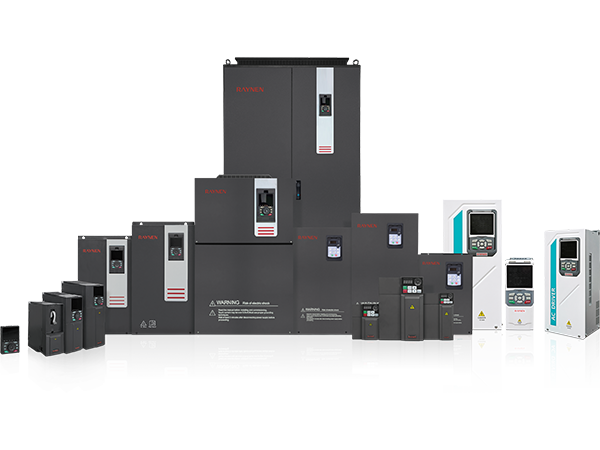
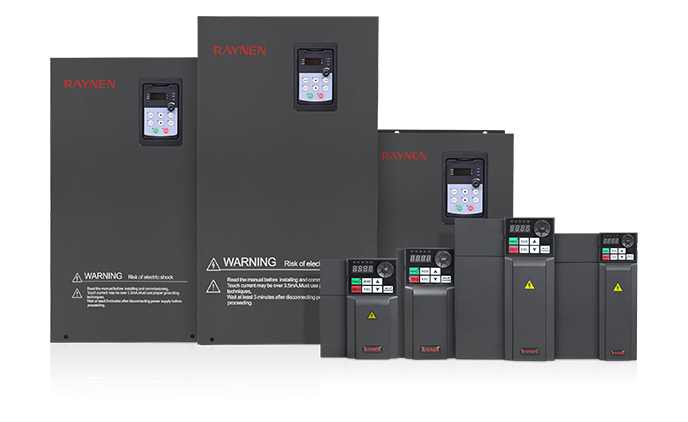
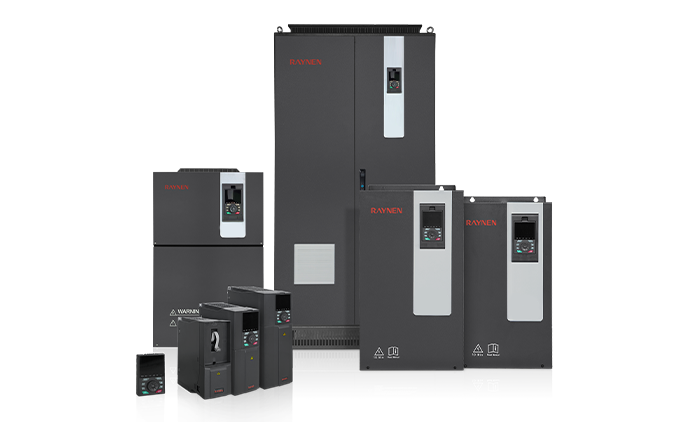
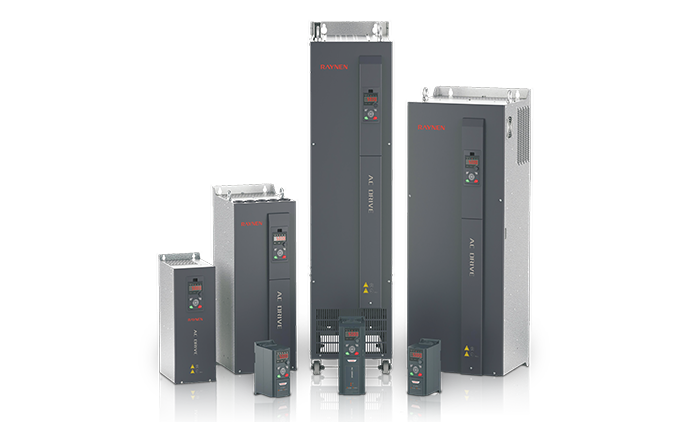
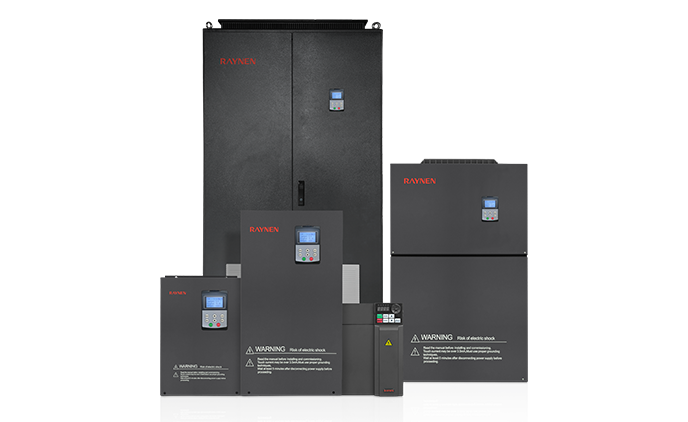
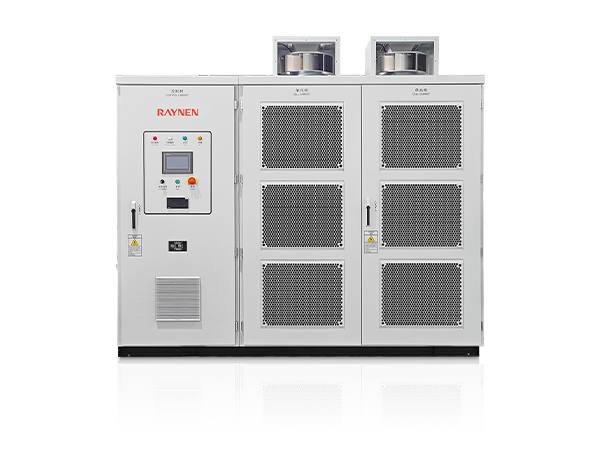
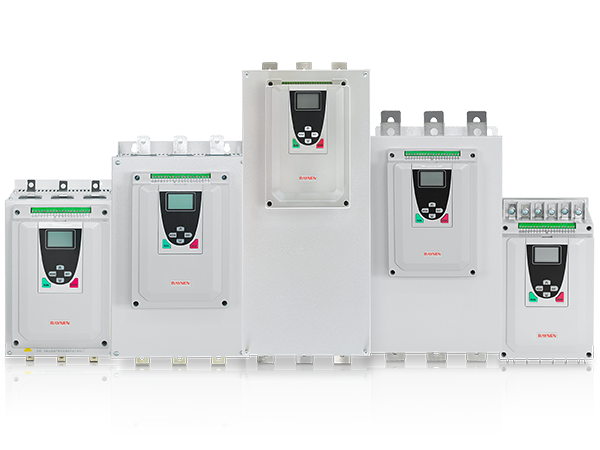
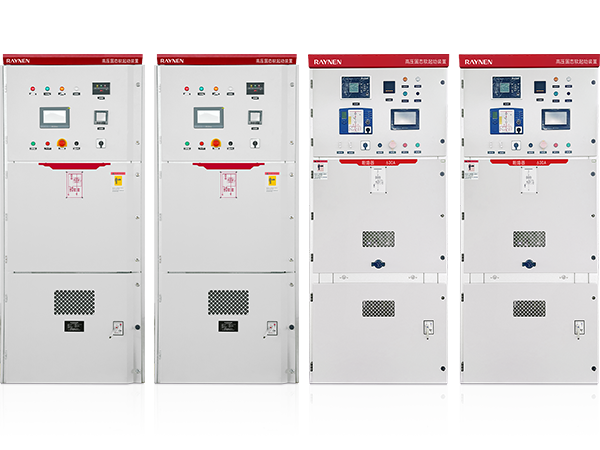

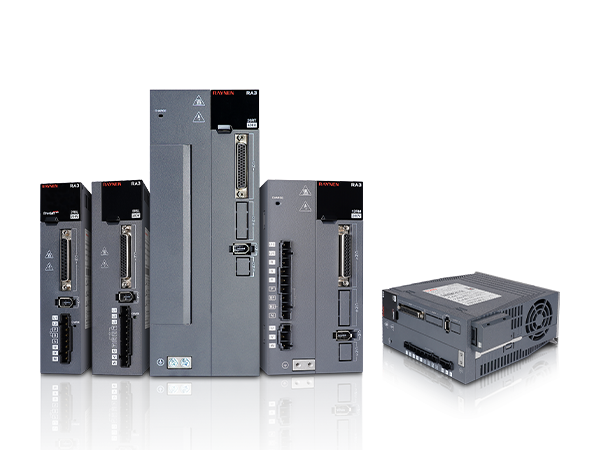
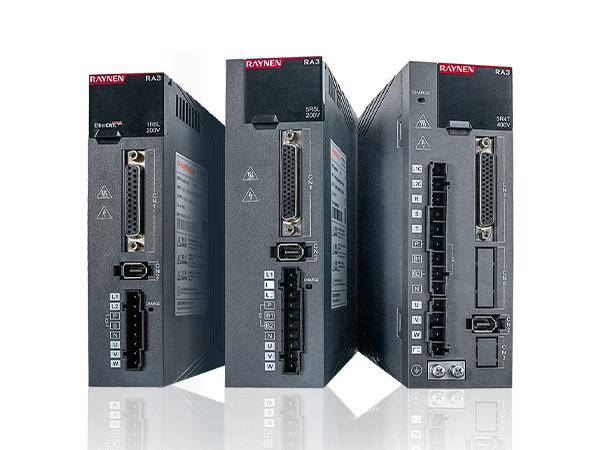
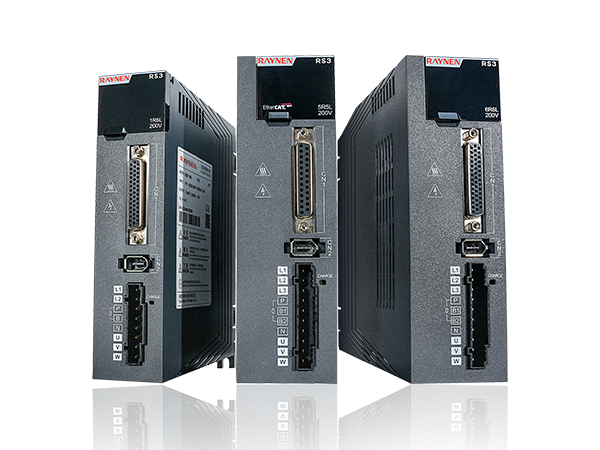
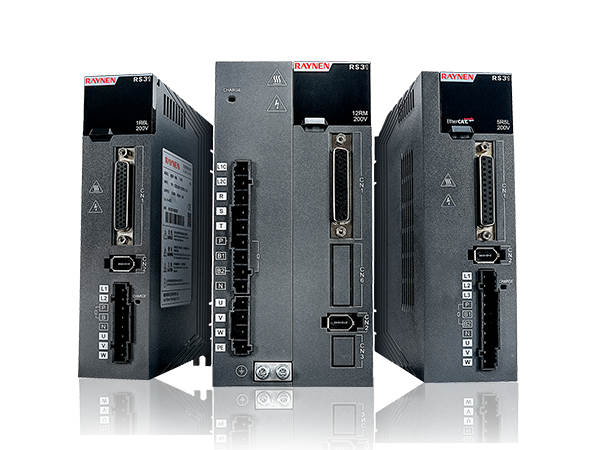



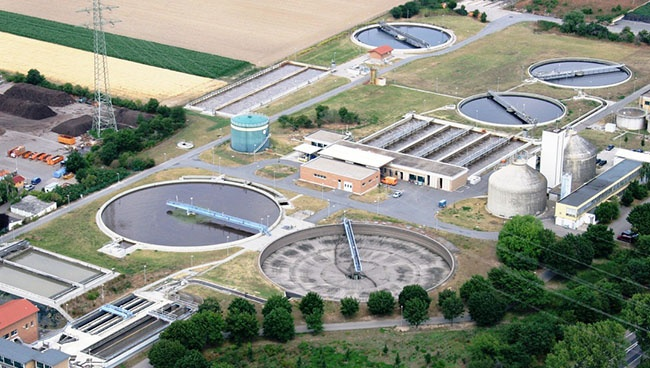




1.Introduction to AC Drives (Variable Frequency Drives) In the realm of modern industrial control an......
READ MOREHome / News / Industry News / What Are Low Voltage AC Drives? A Simple Guide to How They Work and Why They Matter
What Are Low Voltage AC Drives? A Simple Guide to How They Work and Why They Matter
Content
- 1 What Exactly Are Low Voltage AC Drives?
- 2 How Low Voltage AC Drives Actually Work
- 3 Key Benefits That Make These Drives Worth Installing
- 4 Where Low Voltage AC Drives Show Up in Everyday Operations
- 5 How to Choose the Right Low Voltage AC Drive
- 6 Installation and Maintenance Tips That Extend Drive Life
- 7 Common Problems and How to Address Them
- 8 Final Thoughts on Getting the Most from Your Drive
What Exactly Are Low Voltage AC Drives?
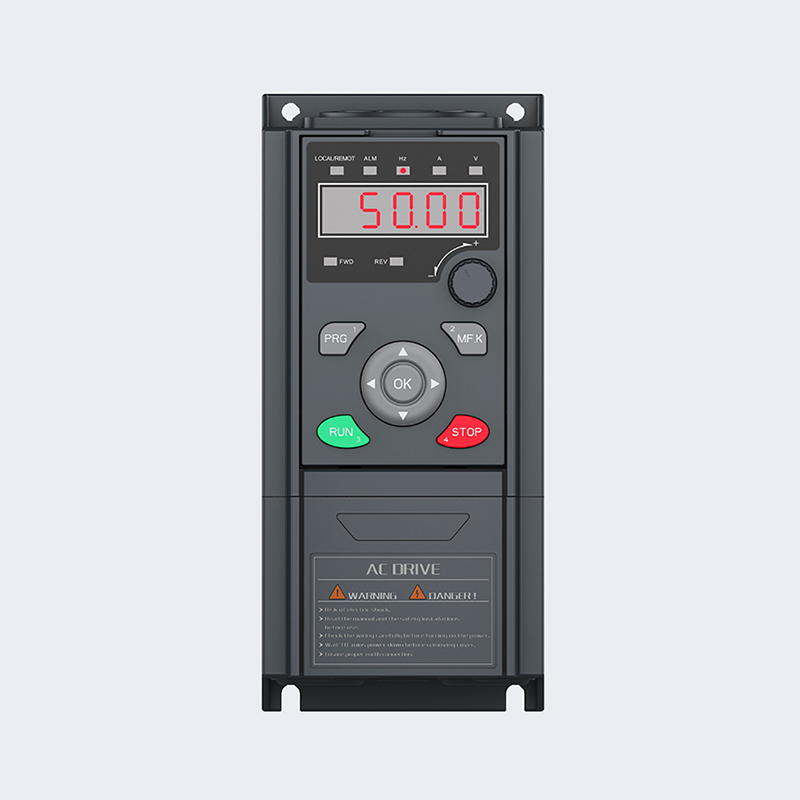
Low voltage AC drives are electronic devices that control the speed and torque of AC induction motors by adjusting the frequency and voltage of the electrical power supplied to them. "Low voltage" typically refers to drives that operate at 600 volts or below, which covers the vast majority of motors used in factories, HVAC systems, pumps, and conveyors. Unlike medium or high voltage drives that handle heavy industrial loads at thousands of volts, low voltage AC drives are the workhorses behind everyday motor control tasks, quietly running in the background of buildings and plants everywhere.
At their core, these drives take incoming AC power, convert it to DC, and then convert it back to AC at a variable frequency. This process, often called AC-DC-AC conversion, allows the motor to run at any speed within its range rather than being locked into a single fixed speed dictated by the power grid's frequency. This flexibility is the reason low voltage AC drives have become standard equipment in so many industries.
How Low Voltage AC Drives Actually Work
The Three Main Stages
Every low voltage AC drive processes power through three key stages before it reaches the motor. Understanding these stages makes it much easier to troubleshoot problems or explain the drive's behavior to a maintenance team.
- Rectifier stage: converts incoming AC power into DC power using diodes or thyristors
- DC bus stage: smooths and stores the DC power using capacitors, acting as a buffer
- Inverter stage: converts the DC power back into AC power at the desired frequency using insulated-gate bipolar transistors (IGBTs)
Why Frequency Control Matters
Motor speed is directly tied to the frequency of the power supplying it. By varying this frequency, a low voltage AC drive can slow a motor down for gentle startups or speed it up for higher output demands, all without mechanical gearboxes or throttling valves. This is what makes these drives so valuable for energy savings, since motors no longer need to run at full speed when a process only requires partial output.
Key Benefits That Make These Drives Worth Installing
Facilities that switch from fixed-speed motor control to low voltage AC drives typically notice improvements across several areas at once. The benefits go beyond simple speed adjustment and touch on cost, equipment lifespan, and operational safety.
- Energy savings: matching motor speed to actual load demand can cut electricity costs significantly, especially in fan and pump applications
- Reduced mechanical stress: gradual acceleration and deceleration reduce wear on belts, gears, and couplings
- Longer motor life: soft starts eliminate the current inrush that shortens motor winding life over time
- Precise process control: many industrial processes need exact speed regulation to maintain product quality
- Built-in protection: most drives include overload, overvoltage, and thermal protection features that safeguard connected motors
Where Low Voltage AC Drives Show Up in Everyday Operations
These drives are so common that most people interact with equipment powered by them without realizing it. From commercial buildings to heavy manufacturing, the applications span a wide range of industries and equipment types.
| Industry | Typical Equipment | Main Reason for Using a Drive |
| HVAC and Buildings | Fans, chillers, cooling towers | Energy savings and comfort control |
| Water Treatment | Pumps, blowers | Matching flow rate to demand |
| Manufacturing | Conveyors, mixers, extruders | Process accuracy and product consistency |
| Food and Beverage | Packaging lines, mixers | Gentle handling and hygiene compliance |
| Material Handling | Cranes, hoists, elevators | Smooth, controlled motion and safety |
How to Choose the Right Low Voltage AC Drive
Match the Drive to the Motor and the Load
Selecting a drive isn't just about matching horsepower ratings. The type of load matters just as much. Variable torque loads like fans and pumps behave very differently from constant torque loads like conveyors or mixers, and the drive's control algorithm needs to be suited to that load type for reliable performance.
Consider the Operating Environment
Dust, humidity, temperature extremes, and vibration all affect drive selection. Drives installed in harsh environments often need higher enclosure ratings, additional cooling, or conformal coating on circuit boards to prevent premature failure.
Check Communication and Control Requirements
Many facilities now integrate drives into building management systems or industrial networks. Confirming that a drive supports the required communication protocol, such as Modbus, BACnet, or Ethernet/IP, can save significant integration headaches down the road.
- Confirm voltage and current ratings match the motor nameplate
- Check whether the load needs constant torque or variable torque control
- Verify enclosure rating suits the installation environment
- Confirm compatibility with existing control systems and networks
- Review harmonic mitigation needs if multiple drives share the same power supply
Installation and Maintenance Tips That Extend Drive Life
Even a well-chosen drive can fail early if it's installed or maintained poorly. Proper ventilation is one of the most overlooked factors, since drives generate heat during operation and need adequate airflow or cooling to stay within their rated temperature range. Cabinets that are too tightly packed with other equipment often lead to nuisance trips or shortened component life.
Cable routing is another detail that's easy to get wrong. Motor cables carrying high-frequency switching signals should be kept separate from sensitive control wiring to avoid electrical noise interference. Using shielded cable and proper grounding practices reduces the chance of erratic drive behavior or interference with nearby electronics.
On the maintenance side, cleaning cooling fans and heat sinks on a regular schedule prevents dust buildup that can cause overheating. Checking and tightening electrical connections periodically also helps, since loose terminals are a common cause of intermittent faults. Many facilities schedule an annual inspection that includes checking capacitor condition, since these components degrade over time and are often the first parts to fail as a drive ages.
Common Problems and How to Address Them
Understanding a few common fault conditions helps maintenance staff respond quickly instead of guessing. Below are some issues that come up frequently with low voltage AC drives and practical steps to address them.
- Overcurrent trips: often caused by mechanical binding in the load or an incorrectly set acceleration ramp
- Overvoltage faults: usually linked to a deceleration time that's too short for the load's inertia
- Overheating alarms: typically traced back to blocked ventilation, dirty heat sinks, or high ambient temperatures
- Communication errors: frequently caused by wiring issues, incorrect network addressing, or mismatched baud rates
- Nuisance tripping: sometimes resolved by adjusting drive parameters rather than replacing hardware
Final Thoughts on Getting the Most from Your Drive
Low voltage AC drives have quietly become one of the most cost-effective ways to improve motor-driven systems, whether the goal is saving energy, protecting equipment, or gaining tighter process control. Choosing the right drive for the application, installing it correctly, and keeping up with basic maintenance are the three factors that determine whether a facility gets years of reliable service or repeated headaches. With a bit of planning upfront, these drives tend to pay for themselves many times over through lower energy bills and fewer unplanned motor failures.
Previous Post
Medium-Voltage AC Drives: Sizing, Topologies, and Cooling Without the Jargon
Next Post
Vector Variable Frequency Drive Explained: How It Gives You Precise Motor Control

Copyright 2024 Fujian Raynen Technology Co.,Ltd. All Rights Reserved.
Privacy Policy  Motor Control Manufacturers