English
 Español
 عربى
عربى
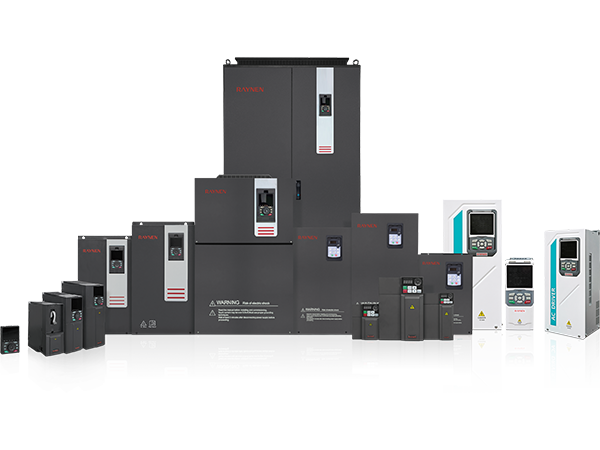
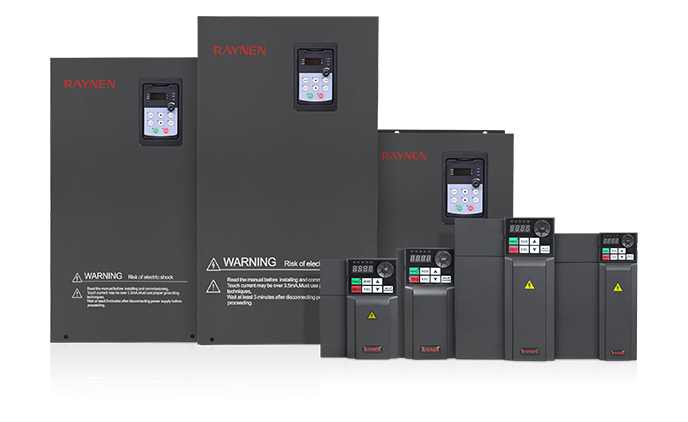
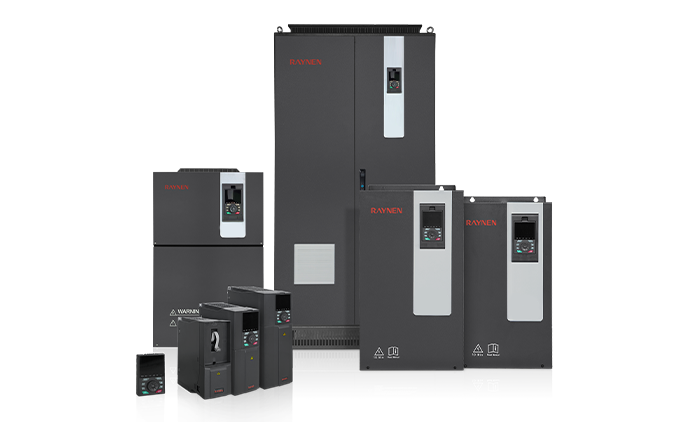
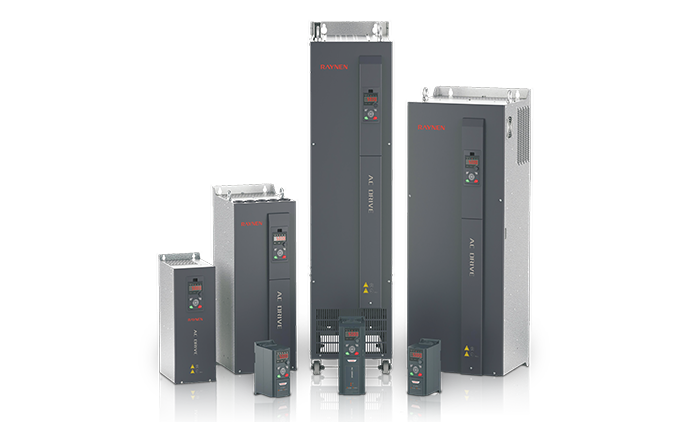
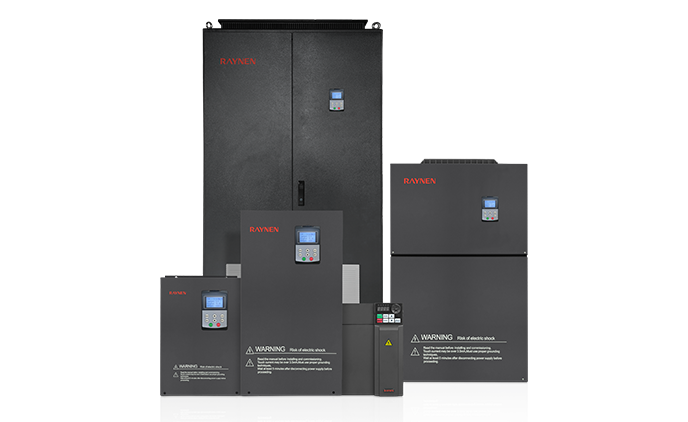
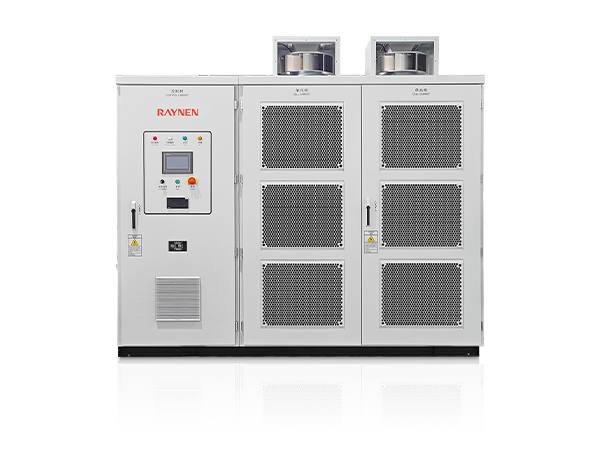
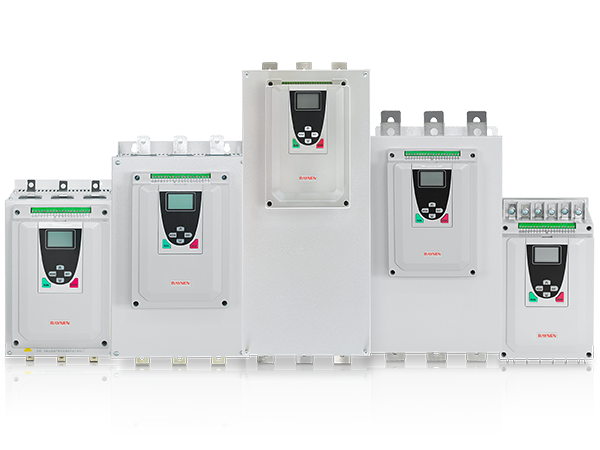
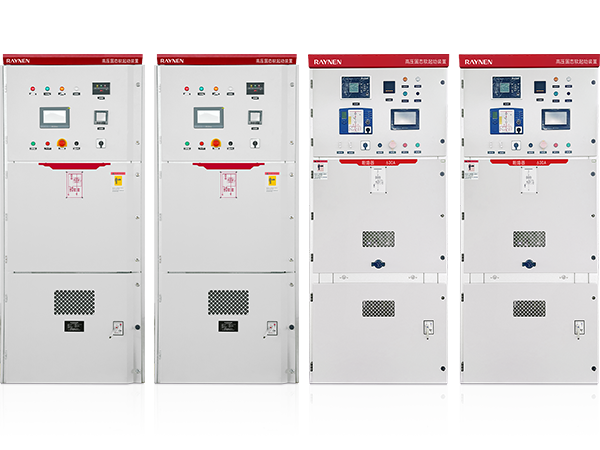








1.Introduction to AC Drives (Variable Frequency Drives) In the realm of modern industrial control an......
READ MOREHome / News / Industry News / Low-Voltage Variable Frequency Drive Explained: How It Works and How to Choose One
Low-Voltage Variable Frequency Drive Explained: How It Works and How to Choose One
Content
- 1 What Is a Low-Voltage Variable Frequency Drive?
- 2 How a Low-Voltage Variable Frequency Drive Controls Motor Speed
- 3 Key Benefits of Installing a Low-Voltage Variable Frequency Drive
- 4 Common Applications Across Different Industries
- 5 Choosing the Right Drive for Your Application
- 6 Installation and Maintenance Best Practices
What Is a Low-Voltage Variable Frequency Drive?
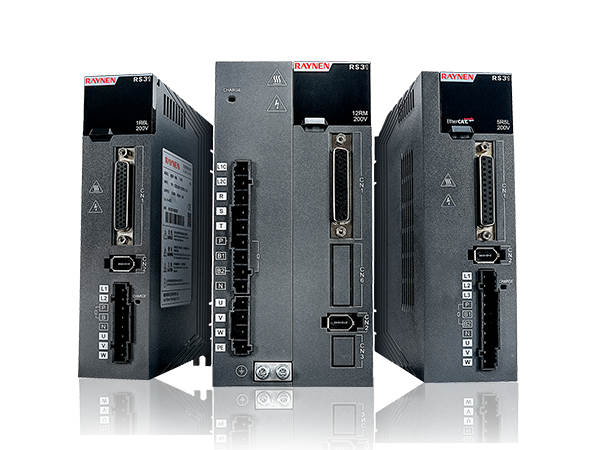
A Low-Voltage Variable Frequency Drive is an electronic device used to control the speed and torque of an AC motor by adjusting the frequency and voltage of the electrical power supplied to it. The term "low-voltage" typically refers to drives operating below 1000 volts, which covers the vast majority of motors used in commercial buildings, manufacturing plants, water treatment facilities, and HVAC systems. Instead of running a motor at a single fixed speed determined by the power grid's frequency, a Low-Voltage Variable Frequency Drive lets operators dial in exactly the speed needed for a specific task.
This level of control translates directly into energy savings, reduced mechanical wear, and smoother process operation, which is why these drives have become standard equipment across so many industries that rely on pumps, fans, conveyors, and compressors.
How a Low-Voltage Variable Frequency Drive Controls Motor Speed
At its core, a Low-Voltage Variable Frequency Drive converts incoming fixed-frequency AC power into DC power, then inverts it back into AC power at a frequency and voltage chosen by the control system. By changing the frequency, the drive directly changes how fast the motor's magnetic field rotates, which in turn changes the motor's rotational speed.
The Rectifier, DC Bus, and Inverter Stages
Inside the drive, three main stages handle this conversion process. The rectifier stage converts incoming AC power into DC. The DC bus stage smooths and stores this converted power using capacitors, acting as a buffer between input and output. Finally, the inverter stage uses semiconductor switches, most commonly IGBTs, to chop the DC power back into a variable-frequency AC waveform that drives the motor at the desired speed.
Pulse Width Modulation and Output Quality
Most modern drives use a technique called pulse width modulation to shape the output waveform, rapidly switching the inverter on and off to approximate a smooth sine wave. Better PWM algorithms produce cleaner output power, which reduces motor heating, lowers audible noise, and minimizes electrical interference that could otherwise affect nearby sensitive equipment.
Key Benefits of Installing a Low-Voltage Variable Frequency Drive
Facilities that switch from fixed-speed motor control to variable frequency drives typically see benefits across several different areas of operation, not just energy consumption alone.
| Benefit | Practical Impact |
| Energy Savings | Reduces power consumption on pump and fan applications by matching speed to actual demand |
| Reduced Mechanical Wear | Soft start and stop ramping reduces stress on belts, gears, and couplings |
| Process Control Accuracy | Allows precise speed adjustments to match changing process requirements |
| Extended Equipment Lifespan | Reduces motor stress from frequent full-voltage starts and abrupt stops |
Energy savings tend to be the most cited benefit, particularly for centrifugal pump and fan systems, where power consumption drops significantly when speed is reduced even slightly, following a relationship where power demand scales with the cube of motor speed.

Common Applications Across Different Industries
Low-Voltage Variable Frequency Drives show up in far more places than most people realize, often working quietly in the background of systems people interact with every day.
- HVAC systems, where drives adjust fan and pump speeds to match real-time building heating and cooling demand
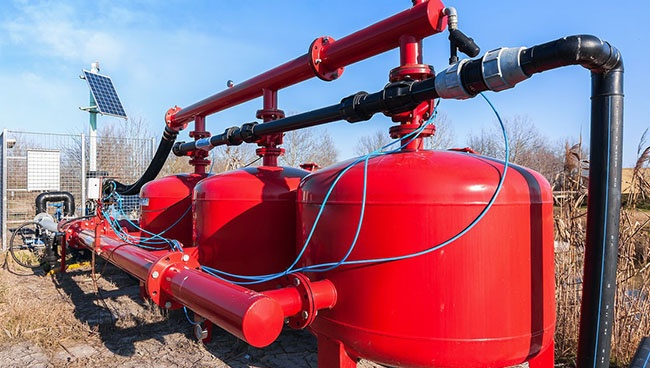
- Water and wastewater treatment plants, where pump speed needs to vary with fluctuating flow rates throughout the day
- Manufacturing conveyor systems, where precise speed control keeps production lines synchronized
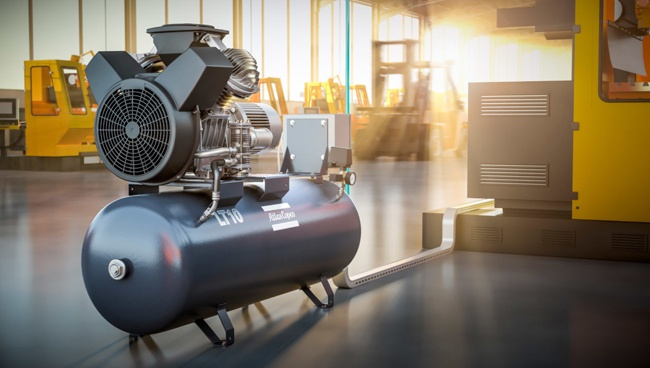
- Compressor systems in refrigeration and air conditioning, where variable speed reduces energy waste during partial load conditions
- Elevator and escalator systems, where smooth acceleration and deceleration improve passenger comfort and safety
Choosing the Right Drive for Your Application
Selecting a Low-Voltage Variable Frequency Drive isn't just about matching horsepower ratings to your motor. Several other factors influence whether a drive will perform reliably in your specific operating environment.
- Confirm the drive's voltage and current ratings match your motor's nameplate specifications with appropriate safety margin
- Check the enclosure rating against your installation environment, since dusty or wet locations require higher IP-rated enclosures
- Evaluate whether your application needs constant torque control, common in conveyors, or variable torque control, common in pumps and fans
- Consider built-in communication protocols if the drive needs to integrate with an existing building automation or SCADA system
- Check harmonic mitigation features, since poorly filtered drives can introduce electrical noise that affects other equipment on the same power circuit
For larger installations with multiple drives running simultaneously, it's also worth discussing harmonic filtering options with your supplier upfront, since cumulative harmonic distortion across several drives can create power quality issues that are far more expensive to fix after installation than to plan for in advance.
Installation and Maintenance Best Practices
Proper installation and ongoing maintenance significantly affect how reliably a Low-Voltage Variable Frequency Drive performs over its service life. Skipping basic precautions during setup is one of the most common causes of premature drive failure.
- Mount the drive in a well-ventilated location, since excessive heat buildup shortens the lifespan of internal electronic components
- Use properly shielded motor cables to reduce electrical noise and protect against cable insulation breakdown over time
- Clean cooling fans and air filters on a regular schedule to maintain proper internal airflow
- Periodically check and tighten terminal connections, since loose connections can cause arcing or intermittent faults
- Monitor drive fault history and parameter logs to catch early warning signs before a full failure occurs
Previous Post
Human Machine Interface 101: What It Is and How to Choose the Right One
Next Post
AC Servo Drive Explained: How It Works, How to Choose One, and How to Get the Most Out of It

Copyright 2024 Fujian Raynen Technology Co.,Ltd. All Rights Reserved.
Privacy Policy  Motor Control Manufacturers