English
 Español
 عربى
عربى
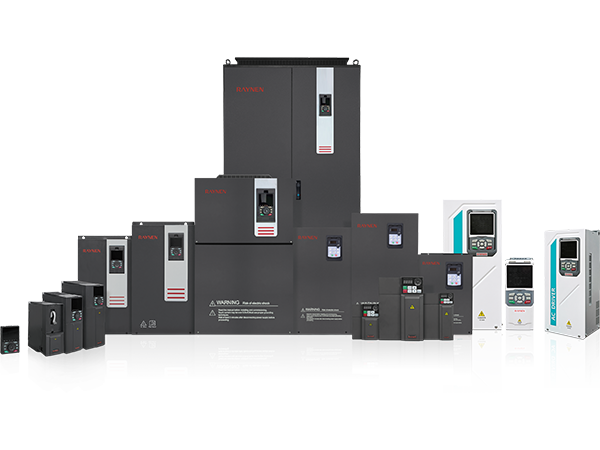
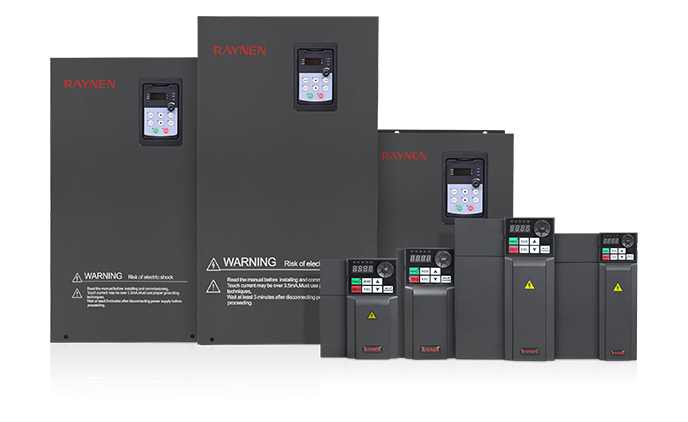
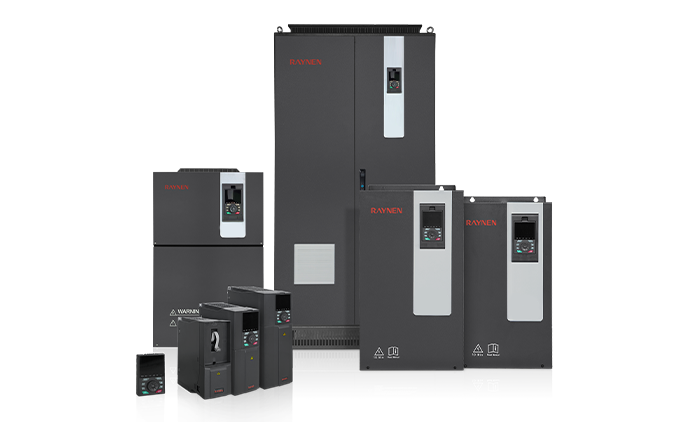
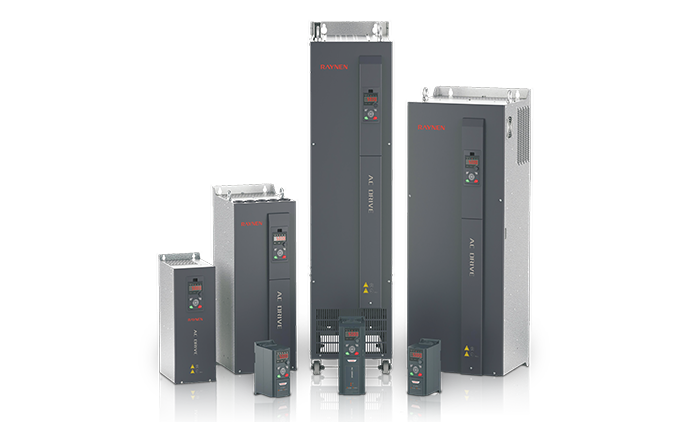



1.Introduction to AC Drives (Variable Frequency Drives) In the realm of modern industrial control an......
READ MOREHome / News / Industry News / Human Machine Interface (HMI) Guide: Types, Selection Criteria & Industrial Applications
Human Machine Interface (HMI) Guide: Types, Selection Criteria & Industrial Applications
An operator stands in front of a production line in a textile factory. The machine is running, but the operator cannot see the actual line speed, the temperature inside the drying chamber, or which of the eight possible alarms triggered five minutes ago. The only feedback comes from a row of indicator lights and a small keypad. This is the exact problem a Human Machine Interface (HMI) is designed to solve.
Content
What Is a Human Machine Interface?
An HMI is the hardware and software combination that allows a person to interact with a machine, system, or device. It can be as simple as a physical control panel with buttons and indicator lights, or as advanced as a full-color touchscreen displaying real-time process data, trend charts, and alarm messages. In industrial automation, the HMI sits between the operator and the controller, typically a Programmable Logic Controller (PLC) or a variable frequency drive. It translates raw machine signals into visual information and sends operator commands back to the equipment.
This definition matters for a practical reason. When you evaluate an HMI, you are not just comparing screen sizes. You are deciding how much of the machine's status can be understood at a glance, and how quickly an operator can react to a fault. Our HMI product range covers both simple and advanced needs, from text panels to full-color touchscreens.
Why HMI Matters in Industrial Operations
The main benefit of an HMI is faster decision-making. Instead of walking to a cabinet and interpreting flashing lights, an operator can see a graphic of the entire line, identify the fault location, and acknowledge the alarm in one place.
- Reduced downtime: plain-language alarms and intuitive screens help maintenance teams find faults sooner.
- More consistent operation: the same visualization and operating procedure across multiple machines prevents operator-dependent variation.
- Built-in data logging: trends and event records make root-cause analysis and preventive maintenance much easier.
- Shorter training time: a graphical interface is easier to learn than a hardware keypad with cryptic codes.
In modern industrial automation, the HMI is also where digital transformation starts. Even a modest upgrade from a text panel to a touchscreen HMI can change how a company collects operating data and trains its staff.
Types of HMIs and How They Fit Different Needs
There are three broad categories of industrial HMIs. The right choice depends on the machine complexity, the environment, and the budget.
| HMI Type | Typical Interface | Where It Fits |
|---|---|---|
| Text-based HMI | Keypad and mono LCD | Pumps, small presses, simple machines |
| Touchscreen panel HMI | Resistive or capacitive touch | Machine tools, packaging lines, process equipment |
| IoT-connected HMI | Touchscreen plus network gateway | Remote monitoring, predictive maintenance |
Text-based HMIs remain valuable in harsh or budget-constrained environments. They are robust, easy to read in direct sunlight, and require no touch calibration. Touchscreen panels dominate in modern equipment because they can display more information on one screen and reduce physical button clutter. IoT-connected HMIs are increasingly popular where operators need to see machines from multiple locations.
Key Selection Criteria for an HMI
Choosing the right HMI starts with a clear view of the operator's daily task and the machine's communication requirements. Here are the criteria that matter in practice.
- Screen size and resolution: decide how many process values need to be visible at once and how detailed the graphics must be.
- Communication protocol: verify support for Modbus RTU/TCP, CANopen, Ethernet/IP, or drive-specific protocols. A missing protocol can force an unnecessary gateway.
- Environmental rating: check the front panel rating, like IP65, and the operating temperature range for the machine location.
- Input method: choose between resistive touch for glove use and capacitive touch for a smartphone-like feel.
- Software environment: consider how easily screens can be built, how data logging is configured, and whether remote access is supported.
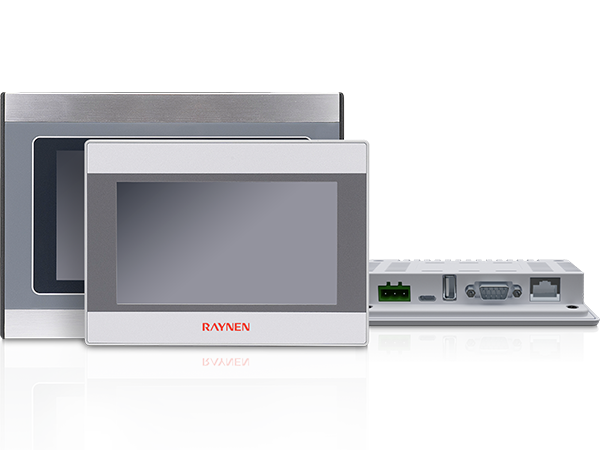
For mid-range automation tasks, a balanced touchscreen HMI with reliable communication is often the best starting point. The Raynen UH400 HMI offers a solid touchscreen display, multiple communication ports, and an easy-to-use configuration environment for many common machine types.
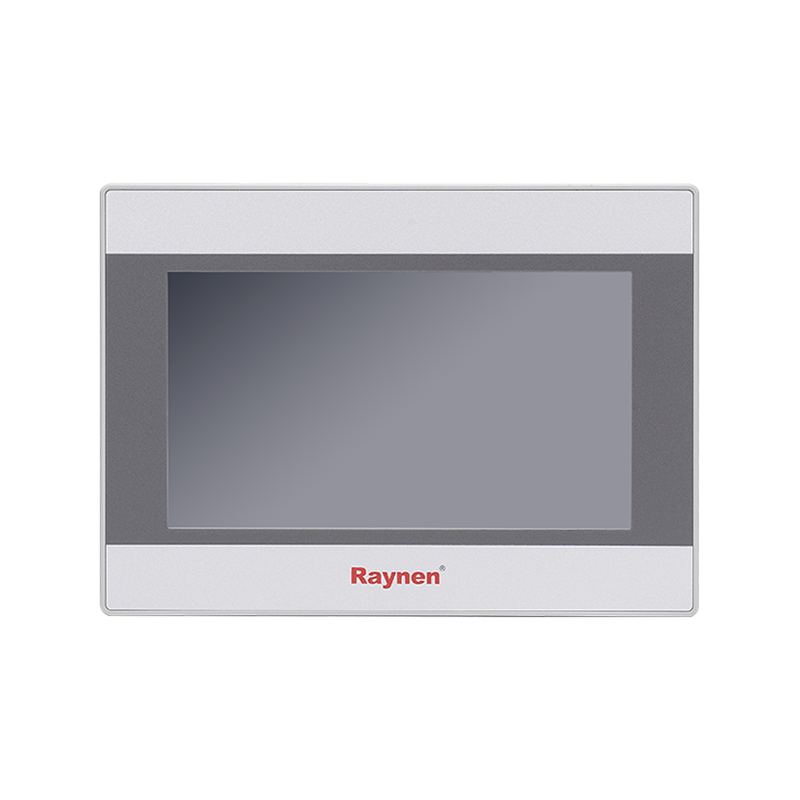 Raynen UH400 Series HMI with Touchscreen and Multiple Communication PortsBalanced touchscreen HMI for mid-range automation tasks, featuring options from 4.3 to 10 inches, serial and Ethernet connectivity, and easy integration with existing systems.View Product →
When the process is more complex, such as multi-axis motion control or extensive recipe management, a larger display and stronger processing capability make the difference. The UH500A HMI is positioned for these demanding applications, providing more screen space and responsive performance.
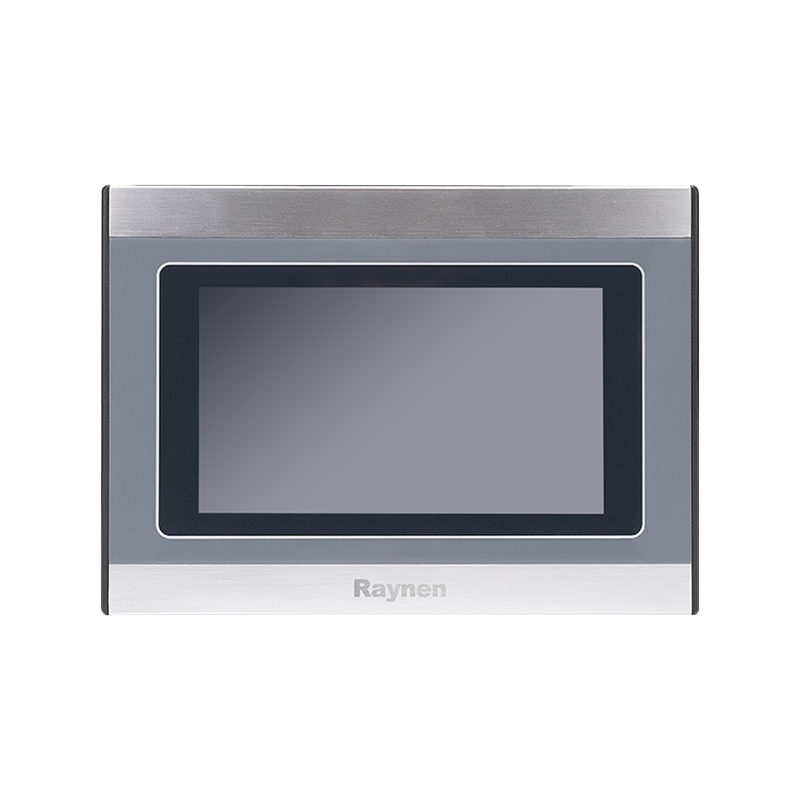 UH500A HMI with A8 Platform for Complex Motion Control and Recipe ManagementAdvanced HMI with larger display, 256MB flash, and 128MB DDR3, suited for demanding applications requiring responsive performance and extensive recipe management.View Product →
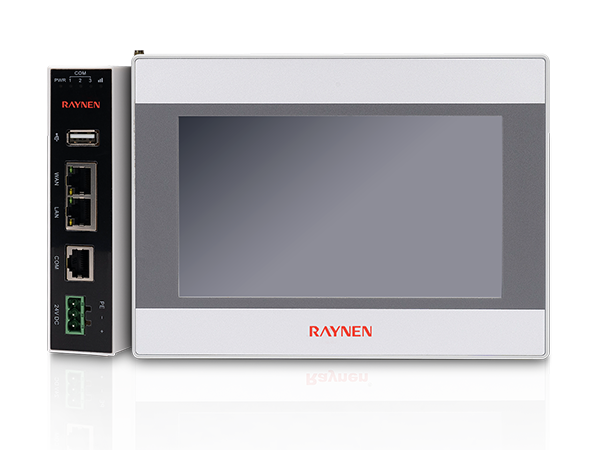
For users who need remote visibility and fleet management, an IoT-connected HMI adds value beyond the control panel. Operators can receive alarms on a mobile phone, compare production data from several factories, and update screen layouts remotely. Raynen's Internet of Things product line addresses this need and integrates with the existing HMI family.
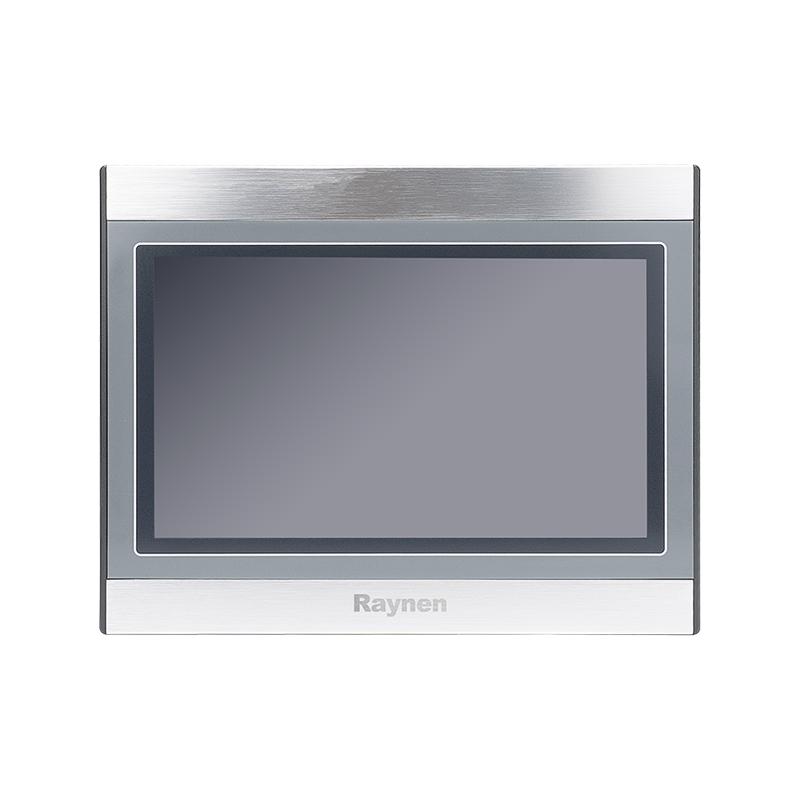 Raynen IoT Product Line for Remote Monitoring and Fleet ManagementIoT gateways and HMIs that enable remote visibility, alarms, data comparison, and screen updates via broadband, WiFi, or 4G, integrating seamlessly with existing HMI family.View Product →
When comparing specifications, pay attention to the total cost of ownership, including software licensing, panel mounted accessories, and the time needed for engineering. A slightly higher hardware cost can be quickly justified by lower commissioning effort.
HMI in a Complete Automation Ecosystem
The value of an HMI increases dramatically when it is connected to other automation components. In a typical system, the PLC handles logic, variable frequency drives control motor speed, servo drives deliver precise positioning, and the HMI gives the operator a single point of command and visibility.
This tight integration reduces commissioning time because the HMI can exchange data directly with the PLC and drives without extra hardware. It also simplifies troubleshooting because the operator sees both the machine state and the drive parameters in one environment.
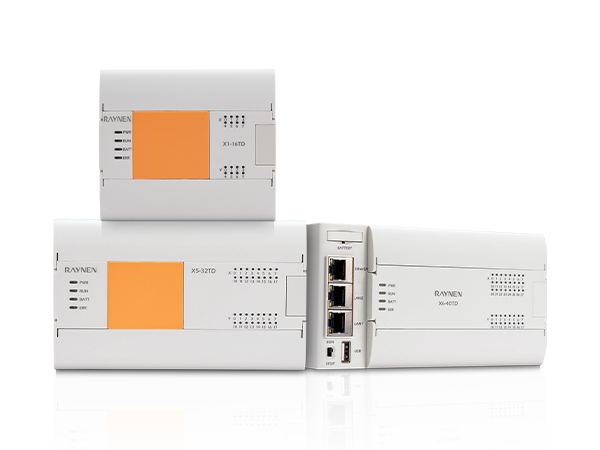
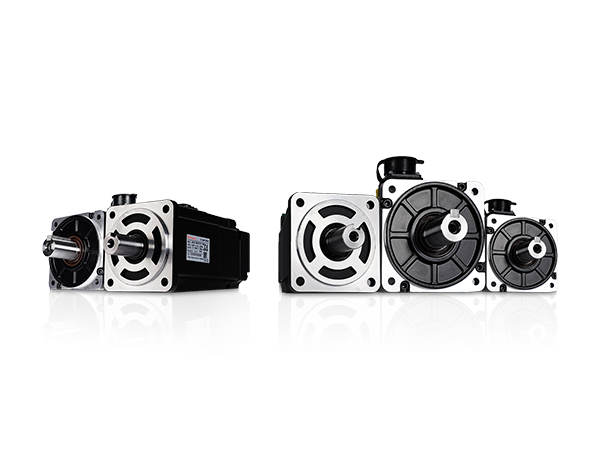
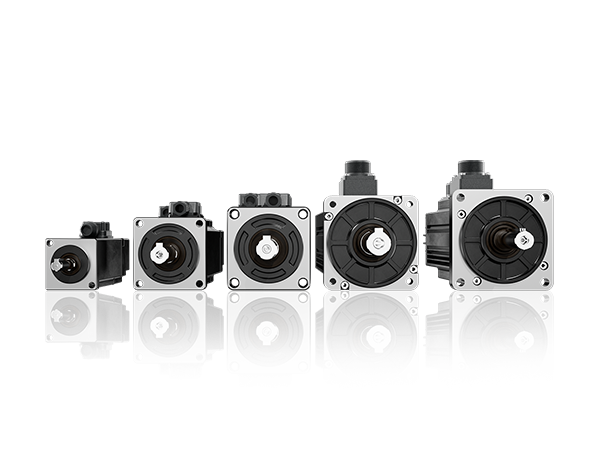
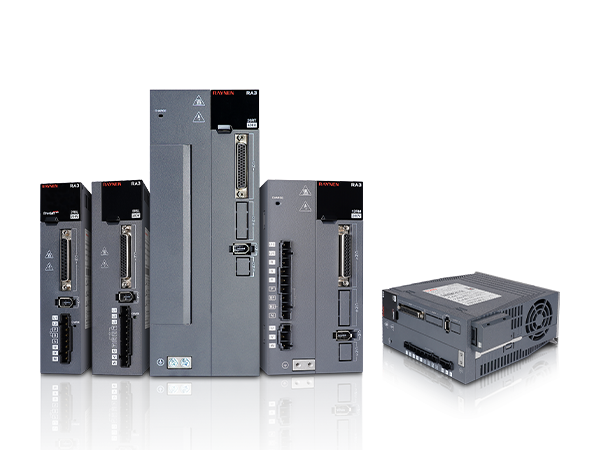
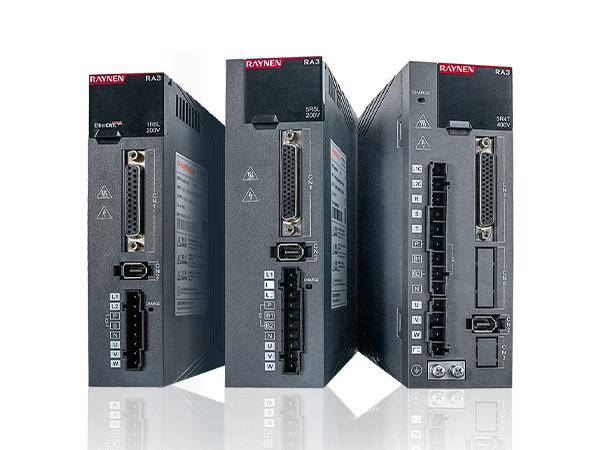
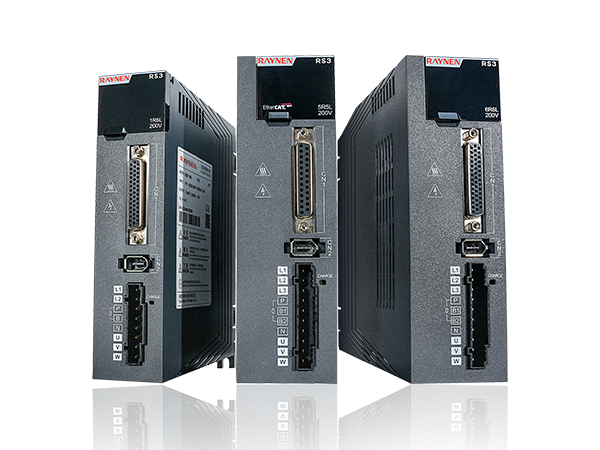
Raynen's product portfolio includes PLCs, variable frequency drives, soft starters, servo drives, and servo motors. This means a user can purchase the control layer, the drive layer, and the execution layer from one supplier, and then have the HMI control all of them in a consistent way.
Practical Applications Across Industries
HMI systems appear in nearly every industrial sector, but the way they are used differs. In fan and pump applications, an HMI often displays flow, pressure, and frequency setpoints, allowing operators to switch between constant pressure and constant flow modes. In municipal water supply and sewage treatment, HMIs monitor multiple pumps and control the entire station from one location.
In machine tool applications, HMIs show tool paths, spindle speeds, and axis positions, and they allow operators to load and select programs. In the lifting industry, HMIs manage crane motion, load limits, and fault diagnostics. In heating, ventilation, and air conditioning systems, they summarize temperature, humidity, and equipment status.
Many of these applications require different communication settings and alarm strategies. That is why Raynen provides industry-specific solutions that combine the right hardware, control logic, and HMI configuration for each sector. The practical impact is a shorter setup time and a more intuitive operator experience.
The Future of Human-Machine Interfaces
HMI technology is moving toward more connected and intelligent systems. IoT connectivity is becoming standard, enabling remote monitoring and mobile access. Edge computing allows basic data analysis to happen near the machine, reducing reliance on remote servers and making the system more responsive.
Another direction is adaptive interfaces. Instead of a fixed screen layout, the HMI can change its view based on the operator's role, the current process state, or the machine's health. Predictive maintenance will also rely heavily on HMI data, using historical trends and alarm patterns to suggest service before a failure stops production.
These trends do not replace the fundamental job of an HMI. They make it more effective at keeping operators informed, machines reliable, and production lines easy to manage.
Previous Post
No previous article
Next Post
AC Drives Explained: How VFDs Work, Benefits, Selection, and Applications

Copyright 2024 Fujian Raynen Technology Co.,Ltd. All Rights Reserved.
Privacy Policy  Motor Control Manufacturers