English
 Español
 عربى
عربى
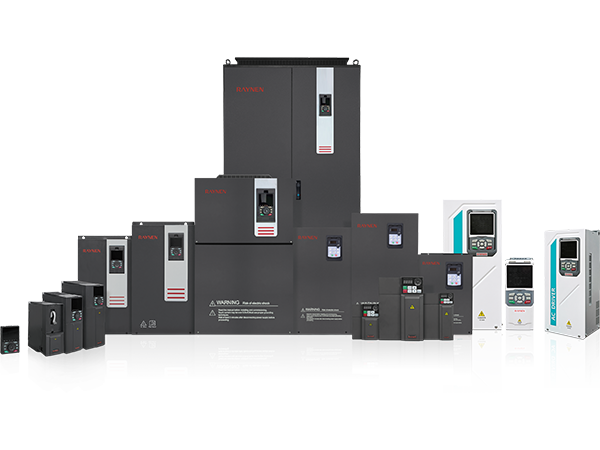
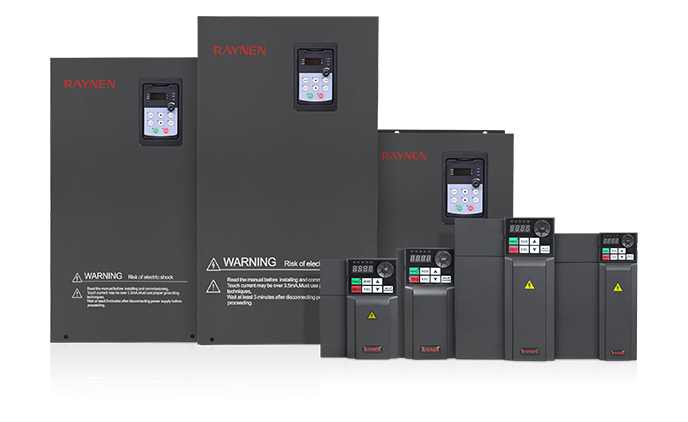
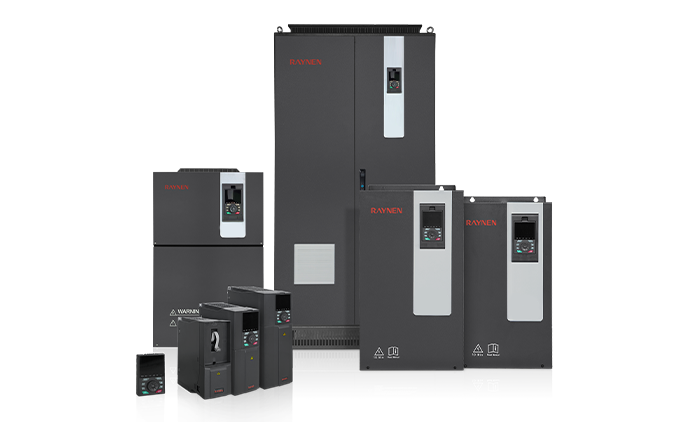
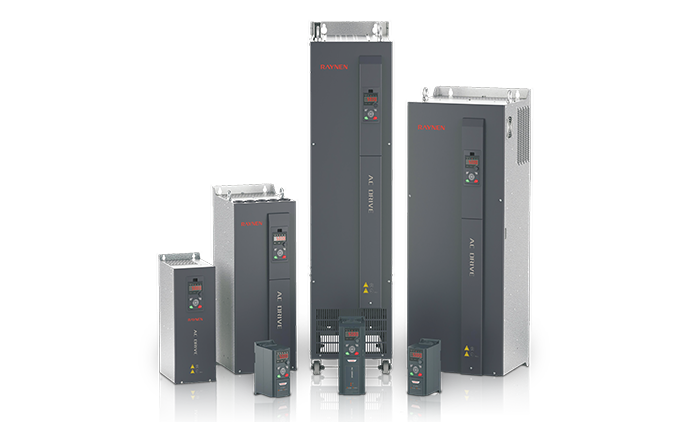

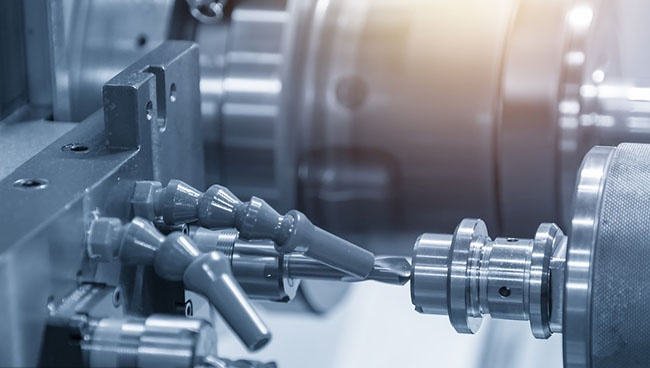
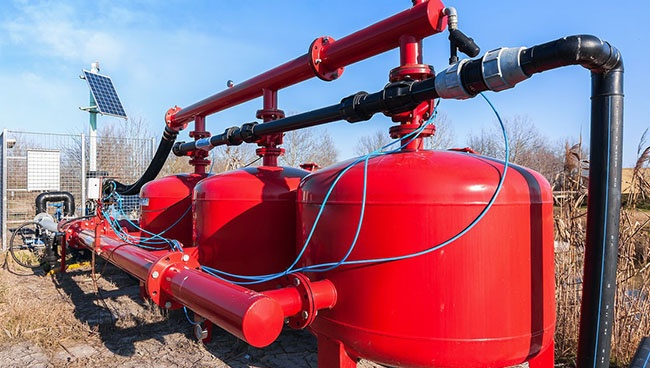

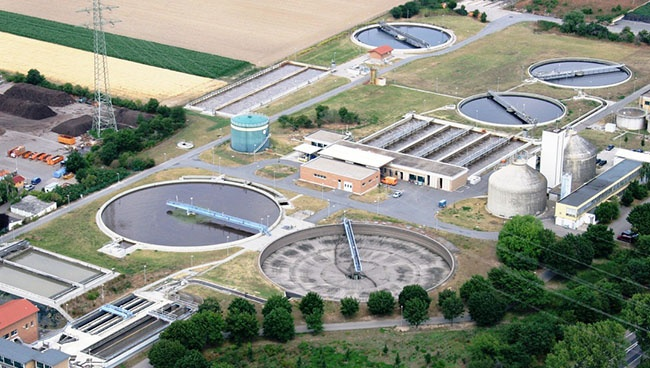

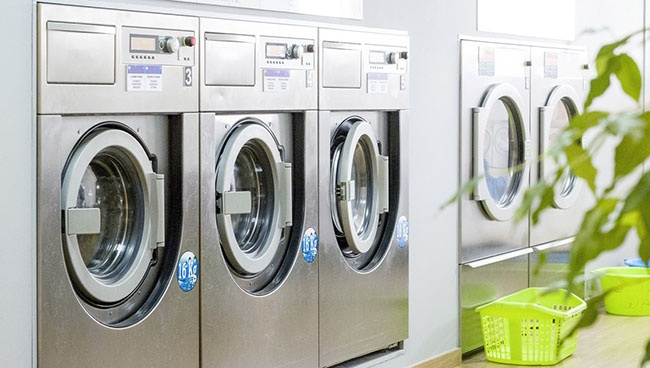

1.Introduction to AC Drives (Variable Frequency Drives) In the realm of modern industrial control an......
READ MOREHome / News / Industry News / Complete Guide to Low Voltage AC Drives: Selection, Applications, and Buying Tips
Complete Guide to Low Voltage AC Drives: Selection, Applications, and Buying Tips
When you need to control the speed of an AC motor in an industrial process, the low voltage AC drive is usually the first piece of equipment to consider. It is not a single-purpose component: the same drive that trims energy use on a pump can also provide precise torque control on a conveyor or soft acceleration on a crane. The key is to understand how the drive interacts with your specific load, your supply network, and the rest of the control system. Once you have those three points clear, most selection decisions become straightforward.
Content
- 1 What a Low Voltage AC Drive Actually Does
- 2 Why Industry Uses Low Voltage AC Drives
- 3 Matching the Drive to the Application
- 4 Speed Control Methods Inside the Drive
- 5 Practical Guidance for Buyers and Panel Builders
- 6 A Compact Example of a Modern Low Voltage Drive Family
- 7 Application Scenarios That Shape Drive Selection
- 8 Efficiency, Energy Savings, and Payback
- 9 Choosing the Right Long-Term Partner
What a Low Voltage AC Drive Actually Does
A low voltage AC drive converts a fixed-frequency, fixed-voltage mains supply into a variable-frequency, variable-voltage output that feeds an AC motor. By changing the output frequency, the drive controls motor speed; by adjusting voltage accordingly, it maintains the motor's torque capability across the speed range. In practice, this means the motor turns exactly as fast as your process requires instead of running at a constant speed and wasting energy through valves, dampers, gears, or brakes.
The scope of "low voltage" in this context is important. The definition of a low voltage variable frequency drive typically covers equipment fed from 380 V to 690 V AC supplies, which is the standard range for most industrial machinery, pumps, fans, conveyors, and machine tools. If the motor is rated above 1 kV, you would normally look at medium voltage drives instead.
Perhaps the clearest way to judge a drive is by what it does on the factory floor rather than by its block diagram. Inside the enclosure there is a rectifier that converts AC to DC, a DC bus that stores and smooths that energy, and an inverter that switches the DC back to AC at the frequency and voltage the application demands. That architecture has remained constant for decades. What has changed is the quality of the control algorithms, the reliability of the power devices, and how easily the drive communicates with a PLC, HMI, or cloud platform.
Why Industry Uses Low Voltage AC Drives
There are three main motives for installing a low voltage AC drive: energy saving, process control, and mechanical stress reduction. They can appear separately or together, and the weighting between them changes depending on the industry and the application.
Energy Saving on Pumps and Fans
Centrifugal pumps and fans follow the affinity laws. Halving the speed does not halve the power requirement; it cuts it to roughly one-eighth. A drive makes those speed changes practical by letting the motor run below its rated speed without overheating or losing torque control. This is why the majority of energy-saving retrofit projects in water supply, HVAC, wastewater treatment, and boiler systems are built around a low voltage drive rather than mechanical throttling.
Precise Speed and Torque Control
Applications such as winders, extruders, elevators, and cranes require torque to be controlled accurately across a wide speed range. Modern low voltage drives use vector control or direct torque control algorithms to achieve this. The drive continuously estimates the motor's magnetic flux, compares it with the demanded torque, and adjusts the output voltage and frequency many hundreds of times per second. The result is smooth material handling, repeatable positioning, and stable operation even when the load changes abruptly.
Reduced Mechanical Stress
Direct-on-line starting of an induction motor produces a high inrush current and a sudden torque spike. Over time, that mechanical shock harms couplings, gearboxes, belts, and the motor windings themselves. A drive ramps the motor from standstill to the target speed in a controlled acceleration time. A conveyor can be started gently, a crane can lift without swinging, and a high-inertia fan can accelerate slowly without stressing the shaft. Maintenance intervals tend to improve, and unplanned failures become less frequent.
Matching the Drive to the Application
Selecting a low voltage AC drive is not only about matching the motor nameplate voltage and power rating, although that remains the necessary starting point. You also need to think about the overload characteristic, the control method, the environmental conditions, and the communication requirements. The table below summarises the key matching points that frequently cause confusion in practice.
| Selection Factor | What to Check | Common Mistake |
|---|---|---|
| Voltage rating | Drive input voltage matches the available supply (e.g. 380 V or 690 V) | Assuming the motor voltage automatically matches the supply without checking the drive rating |
| Motor power | Drive rated current is equal to or greater than the motor full-load current | Selecting by power alone while ignoring the motor current on low-speed/high-torque loads |
| Overload duty | Confirm whether the load needs light, normal, or heavy overload capability | Using a light-duty drive on a starting-heavy load and tripping on repeated overcurrent |
| Control method | V/F for simple fans, vector for high torque at low speed, servo-class for positioning | Choosing V/F where precise low-speed torque is required |
| Environment | Check ambient temperature, humidity, dust, altitude, and enclosure rating | Mounting a standard IP20 drive inside a dusty, hot cabinet without derating or cooling |
| Fieldbus / I/O | Confirm the drive can communicate with the existing PLC and HMI | Buying a drive with the wrong fieldbus protocol and adding expensive gateways |
What Does "Heavy Duty" or "Light Duty" Mean in Practice
Drive manufacturers normally specify a continuous output current and an overload current that can be held for 60 seconds. A light-duty rating may only allow 110% overload, while a heavy-duty rating can provide 150% for the same duration. For applications such as a crusher or a centrifuge that periodically demand high torque, the heavy-duty rating is the one that should be compared with motor capability. For a fan or pump running steadily below the motor rating, the light-duty rating is often sufficient and yields a smaller, cheaper drive.
Speed Control Methods Inside the Drive
Two control methods dominate low voltage drive selection today: V/F (volts per hertz) control and vector control. Both have legitimate places, but the distinction is not always explained clearly.
V/F control keeps the voltage-to-frequency ratio constant. It is simple, forgiving, and adequate for fans, pumps, and general-purpose conveyors where the motor does not need high torque at very low speed. The downside is that the motor's actual speed is influenced by the load; when the load increases, the slip increases and the speed drops.
Vector control, also called field-oriented control, models the motor's magnetic field and separates the magnetizing current from the torque-producing current. It allows accurate torque control even at zero speed and maintains speed tightly under sudden load steps. The price is a more complex commissioning process, usually requiring motor data or an autotune routine. For applications such as elevators or winders that operate across a wide speed range, the extra effort is normally worthwhile.
Practical Guidance for Buyers and Panel Builders
If you are integrating low voltage AC drives into a machine or an industrial process, a few practical habits reduce the risk of field problems.
Current Is the Truth
Every motor has a full-load current on its nameplate, and that current, not the horsepower or kilowatt figure, determines the drive rating. A motor with a low power factor can draw more current than the power rating alone suggests. Check the nameplate and choose a drive whose rated output current covers that value with some margin.
Check the Starting and Stopping cycle
Applications with frequent starts and stops generate repeated inrush and braking energy. If the load stops and restarts many times per hour, the drive's thermal design becomes more important than its steady-state rating. For loads that regenerate energy, such as cranes lowering a load or winding machines, adding a braking resistor or using a regenerative drive unit is often required to prevent the DC bus voltage from climbing too high.
Think About Harmonics and Supply Quality from the Start
A drive draws a non-sinusoidal current from the supply because of the rectifier front end. That current distortion can affect other equipment on the same network and may have to comply with harmonic standards. For installations above a certain drive size, adding a DC link choke or an AC line reactor is a simple and effective mitigation measure. Choosing a drive that already includes a built-in choke saves space and installation cost.
Use the Downloadable Resources Before You Finalise the Panel Layout
Drive manuals and drawings contain the derating tables, mounting clearances, and wiring diagrams that most field problems trace back to. Accessing the user manual download library before completing the panel design helps you avoid issues with heat dissipation, cable gland spacing, and EMC filtering. The effort is small compared with the cost of reworking a completed panel.
A Compact Example of a Modern Low Voltage Drive Family
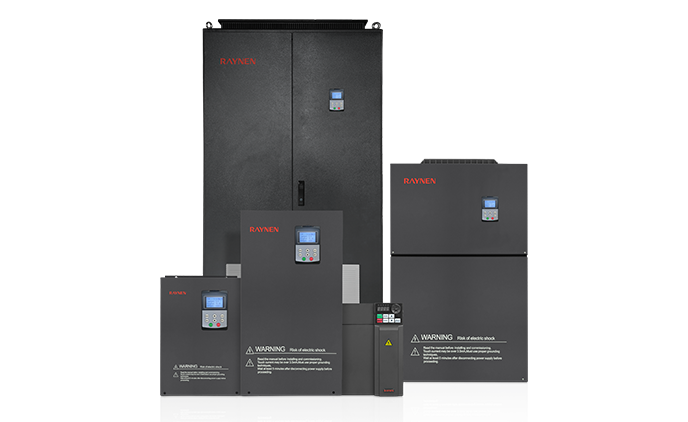
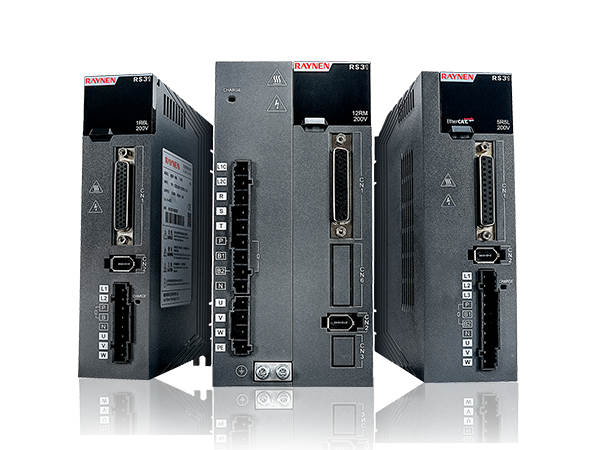
To illustrate how these principles come together in a product range, consider the low voltage AC drive family offered by Raynen's low voltage variable frequency drive range. The family includes simple and cost-conscious models for fans and pumps, high-performance vector drives for machine tools and cranes, and solar pump drives for off-grid water supply systems.
 RVE21 Smart Low-Voltage AC Drive for General-Purpose LoadsA compact and cost-effective V/F control drive with wide voltage range, 200% overload capability, and side-by-side installation for space-saving panel layouts.View Product →
The RVE21 Smart drive targets panel builders and machine builders who need a compact, cost-effective drive with reliable V/F control. It can handle general-purpose loads where precise low-speed torque is not the main requirement, and its small footprint simplifies cabinet layout. For applications that need higher dynamic response, the RVE32 vector drive provides closed-loop torque and speed control over a wider range, covering uses such as CNC machine tools, mixers, and industrial centrifuges.
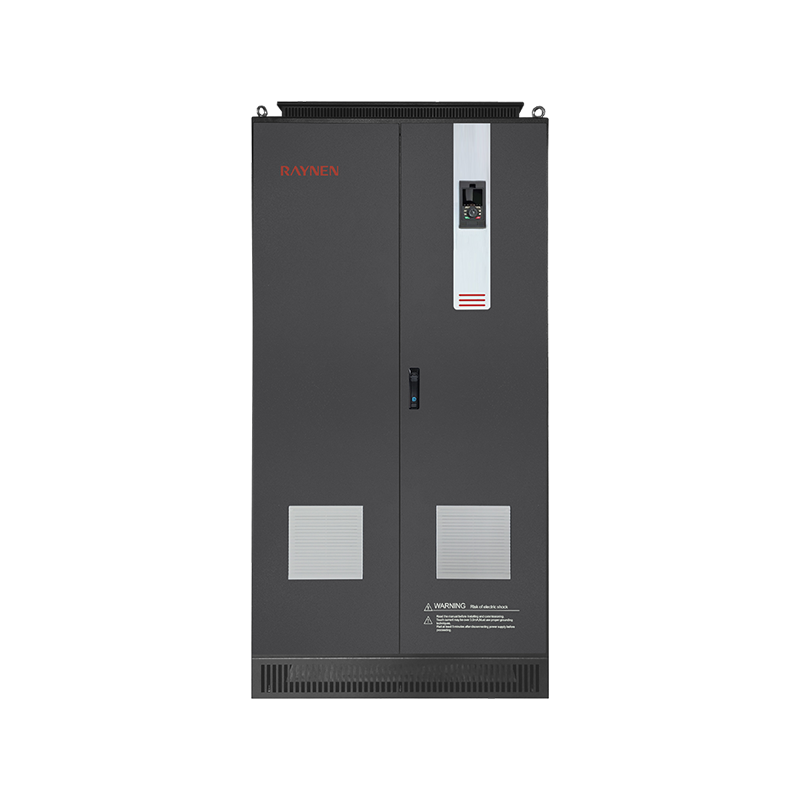 RVE32 Vector AC Drive with Closed-Loop ControlOffers sensorless vector control, automatic loop parameter adaptation, and Modbus communication, suitable for high-dynamic-response applications like machine tools and centrifuges.View Product →
From a purchasing perspective, the important point is that the product family is designed around the same service and support structure. The same user manual library, software tool, and technical support channel applies across the range, so moving from a simple fan drive to a higher-performance vector drive later does not mean learning an entirely new system.
Application Scenarios That Shape Drive Selection
Different industries impose different demands. Looking at real installation patterns is more useful than memorising a generic selection rule. The following examples illustrate how the drive choice changes with the load profile.
Constant Torque Loads: Conveyors and Mixers
Conveyors and mixers require the same torque across most of the speed range. The current draw is relatively constant, and the drive must be able to provide near-rated torque even when the motor runs below 50% of its base speed. A motor that is directly coupled to such a load may run hot if operated below half speed without separate cooling; the drive selection should account for the application speed range, not only the motor nameplate.
Variable Torque Loads: Centrifugal Pumps and Fans
For centrifugal fans and pumps, torque drops as speed decreases, so the motor runs lightly loaded over much of the speed range. This is why these applications are the safest candidates for energy saving. A drive sized for the motor's full-load current still provides comfort, but the actual thermal load on the drive is often far below its limit. Many installations in water supply and HVAC use a smaller drive with light-duty overload capability and get excellent service life.
High Inertia Loads: Fans and Centrifuges
A fan impeller with a large diameter has high inertia. Starting such a load directly across the line can cause belt slippage, shaft twisting, or excessive current draw for a long time. The drive solves this by limiting the acceleration rate and allowing the motor to develop torque gradually. During deceleration, the inertia feeds energy back into the DC bus, which is why a braking resistor is often specified for blowers and centrifuges that need short stop times.
Repeated Shock Loads: Crushers
Heavy crushing loads exhibit frequent torque spikes. A drive used here should be selected conservatively, with a heavy-duty current rating, robust cooling, and protection features that can ride through short overloads without tripping. The ability to fine-tune torque limits also protects the mechanical system from damage when the rotor hits an unexpected obstruction.
Efficiency, Energy Savings, and Payback
The financial case for a low voltage AC drive usually comes from reduced energy consumption. The exact payback depends on the speed profile and the hours of operation. A pump running 6,000 hours per year at an average speed of 80% can achieve substantial savings compared with the same pump running at full speed and throttled by a control valve. The drive investment in that scenario is normally recovered within one to two years, before considering softer starting benefits and reduced maintenance.
However, energy saving is not the same as machine efficiency. If the process genuinely requires full speed all the time, a drive may not save significant energy. In those cases, the value of the drive lies in controlled starting, protection, and integration with a wider automation system. Being clear about the primary objective avoids buying hardware that does not pay for itself.
Choosing the Right Long-Term Partner
Beyond the characteristics of a single drive, the supplier matters a great deal in industrial automation. A drive that is easy to commission, has clear documentation, and is backed by responsive local support will save your team hours every time a new machine is commissioned.
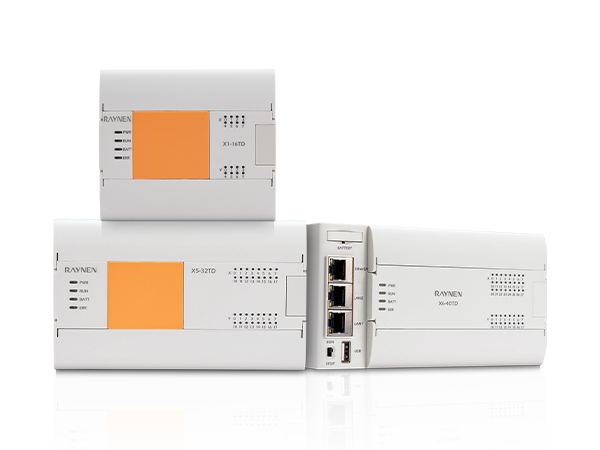
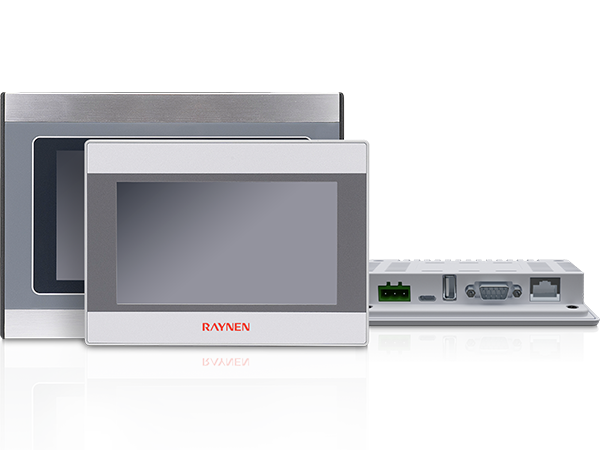
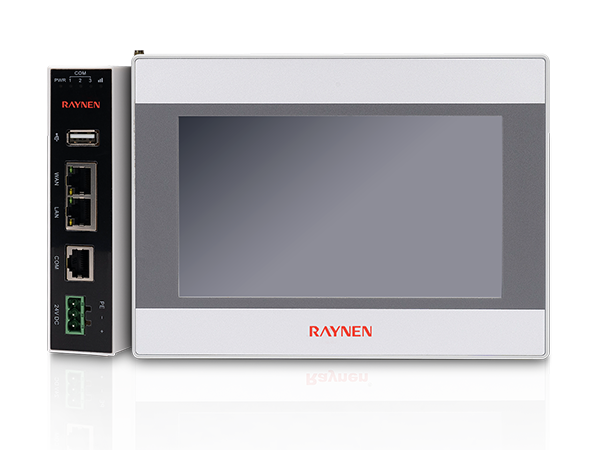
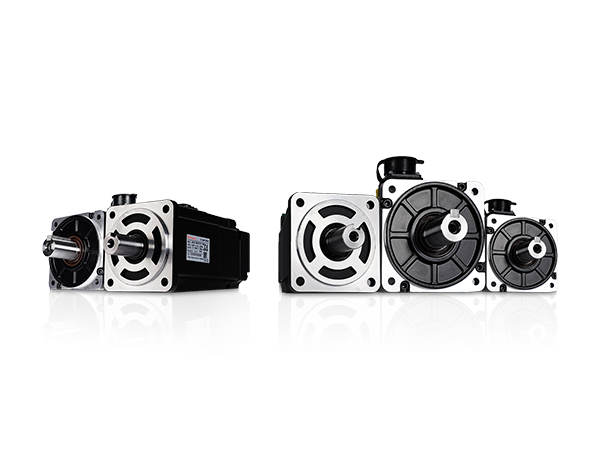
When you evaluate a supplier, check whether they provide complete documentation for their range. Version-controlled user manuals, CAD drawings, and software tools all contribute to a smoother engineering process. The availability of in-house manufacturing and quality control processes is another signal of long-term reliability. It also matters whether the supplier can cover adjacent categories of automation equipment, such as PLCs, HMIs, servo systems, and soft starters. A supplier with a broad portfolio allows you to keep the control architecture consistent, reduce integration risk, and avoid the need for multiple separate suppliers.
If you are at the stage of comparing drives for a specific machine, collecting the relevant technical documentation in advance will help you evaluate the practical differences. Most reputable manufacturers publish detailed manuals and application guides; reviewing those documents before making a commitment is a good habit.
Previous Post
No previous article
Next Post
Human Machine Interface (HMI) Guide: Types, Selection Criteria & Industrial Applications

Copyright 2024 Fujian Raynen Technology Co.,Ltd. All Rights Reserved.
Privacy Policy  Motor Control Manufacturers