English
 Español
 عربى
عربى
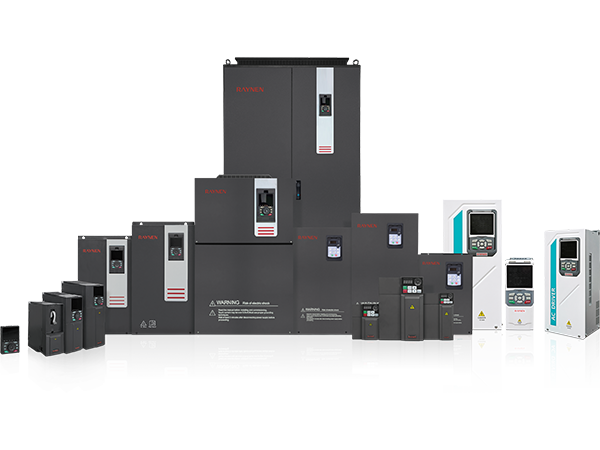
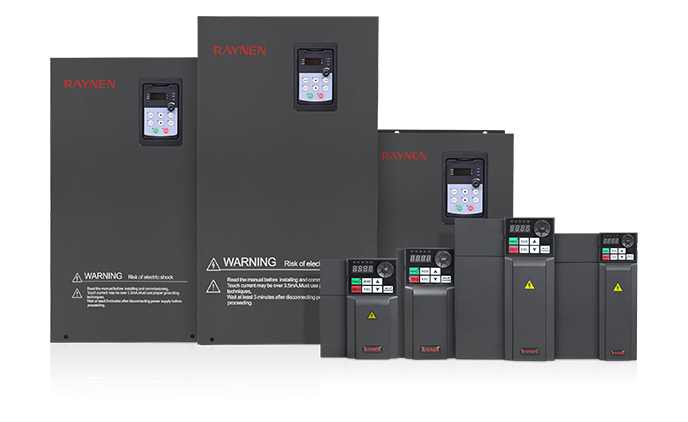
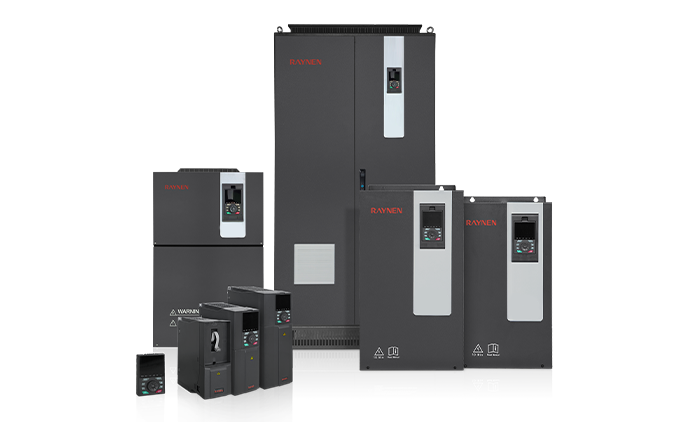
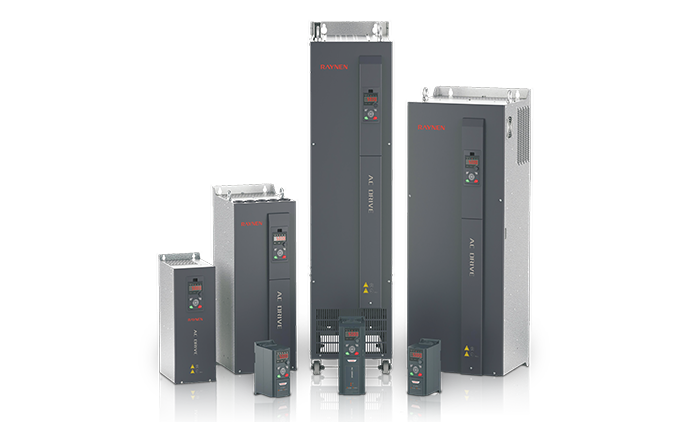
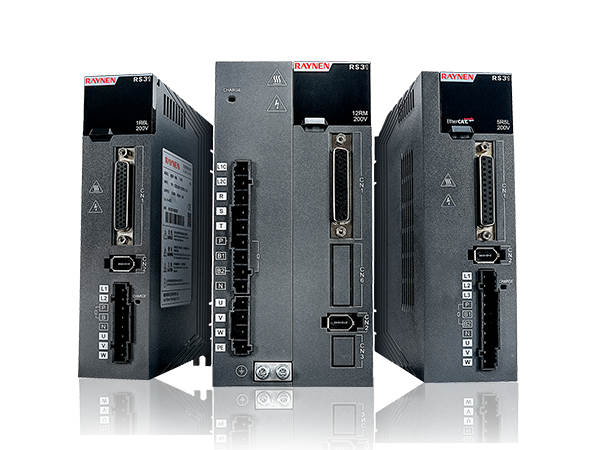

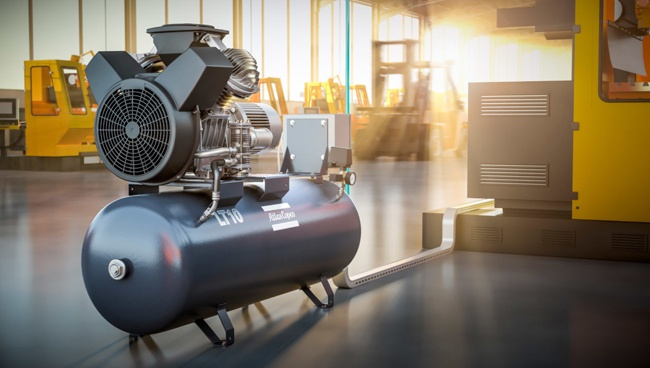



1.Introduction to AC Drives (Variable Frequency Drives) In the realm of modern industrial control an......
READ MOREHome / News / Industry News / Low-Voltage Soft Starter: A Simple Guide to How It Works and Why You Need One
Low-Voltage Soft Starter: A Simple Guide to How It Works and Why You Need One
Content
- 1 What Exactly Is a Low-Voltage Soft Starter?
- 2 Why Motors Need a Gentler Start
- 3 Key Benefits of Using a Soft Starter
- 4 Soft Starter vs. Variable Frequency Drive: What's the Difference?
- 5 How to Choose the Right Low-Voltage Soft Starter
- 6 Installation Tips for a Reliable Setup
- 7 Common Problems and Simple Troubleshooting Steps
- 8 Maintenance Practices That Extend Service Life
- 9 Typical Applications Across Industries
What Exactly Is a Low-Voltage Soft Starter?
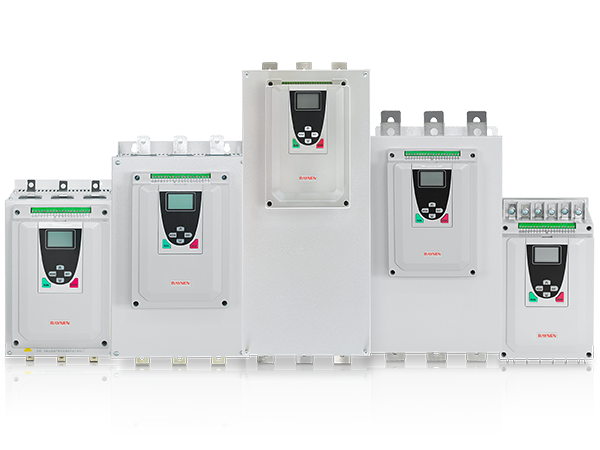
A low-voltage soft starter is an electronic device used to control the startup and shutdown of AC induction motors that run on low-voltage power supplies, typically below 1000V. Instead of connecting a motor directly to full line voltage all at once (which is what happens with a traditional direct-on-line starter), a soft starter gradually ramps up the voltage supplied to the motor. This gradual ramp-up reduces the mechanical and electrical shock that would otherwise hit the motor and the equipment it drives. Think of it like easing your foot onto a gas pedal instead of slamming it down — the motor spins up smoothly rather than jerking into full speed instantly.
Inside a low-voltage soft starter, you'll typically find thyristors or silicon-controlled rectifiers (SCRs) that control the voltage waveform sent to the motor. By adjusting the firing angle of these components, the soft starter can precisely control how quickly voltage — and therefore torque and current — increases during startup, and how it decreases during stopping.
Why Motors Need a Gentler Start
When an induction motor starts directly across the line, it can draw six to eight times its rated current in the first few moments. This inrush current puts enormous stress on the motor windings, the power supply network, and any mechanical components connected to the motor shaft, such as belts, gears, couplings, and pumps. Over time, repeated hard starts can shorten equipment lifespan and lead to expensive, unplanned downtime.
A low-voltage soft starter addresses this problem directly by limiting the inrush current and controlling the torque curve during acceleration. This is particularly valuable in applications where sudden torque spikes could damage sensitive equipment, such as conveyor belts, centrifugal pumps, fans, and compressors.
Key Benefits of Using a Soft Starter
Soft starters offer a range of practical advantages that make them a smart investment for many industrial and commercial applications. Below are the most commonly cited benefits:
- Reduced mechanical stress on motors, gearboxes, belts, and couplings
- Lower inrush current, which helps avoid voltage dips on the power network
- Smoother acceleration and deceleration, reducing water hammer in pump systems
- Extended equipment life due to less wear and tear during starts and stops
- Lower maintenance costs over the long run
- Built-in protection features like overload, phase loss, and stall protection
Soft Starter vs. Variable Frequency Drive: What's the Difference?
People often confuse soft starters with variable frequency drives (VFDs), but they serve different purposes. A soft starter only controls the voltage during starting and stopping — once the motor reaches full speed, it typically bypasses and runs the motor directly on line voltage. A VFD, on the other hand, continuously controls both the voltage and frequency, allowing it to adjust motor speed at any point during operation, not just during startup.
| Feature | Low-Voltage Soft Starter | Variable Frequency Drive |
| Speed Control | No, fixed speed after ramp-up | Yes, variable at all times |
| Cost | Lower | Higher |
| Energy Savings | Minimal | Significant, especially at partial loads |
| Best Use Case | Pumps, fans, conveyors needing soft start only | Applications needing variable speed control |
How to Choose the Right Low-Voltage Soft Starter
Selecting the correct soft starter isn't just about matching horsepower ratings. Several factors need to be considered to ensure the device performs reliably and protects your equipment over the long term.
Motor Rated Voltage and Current
Always check the motor's nameplate for its rated voltage and full-load current. The soft starter's current rating should match or exceed the motor's rated current, with some buffer for future load changes or ambient temperature variations.
Duty Cycle and Number of Starts per Hour
If your application requires frequent starts and stops, you'll need a soft starter rated for a higher duty cycle. Undersized units running too many cycles per hour can overheat and trip on thermal protection repeatedly.
Load Type
Different loads — such as pumps, fans, compressors, or conveyors — have different torque requirements during startup. Choosing a soft starter with adjustable torque control settings ensures a good match for your specific load characteristics.
Environmental Conditions
Ambient temperature, humidity, dust, and altitude can all affect a soft starter's performance and lifespan. In harsh environments, look for enclosures rated for the appropriate IP or NEMA rating, and consider derating the unit if it will operate at high altitude or high temperatures.

Installation Tips for a Reliable Setup
Proper installation is just as important as choosing the right soft starter. A poorly installed unit can lead to nuisance tripping, overheating, or even premature failure. Here are some practical tips to keep in mind:
- Ensure adequate ventilation and spacing around the soft starter enclosure
- Use properly sized cables and terminate connections tightly to avoid resistance heating
- Install upstream protection such as fuses or circuit breakers as recommended by the manufacturer
- Ground the unit properly according to local electrical codes
- Test and configure ramp-up time, current limit, and stopping mode before full commissioning
Common Problems and Simple Troubleshooting Steps
Even a well-installed low-voltage soft starter can run into issues over time. Knowing the common fault symptoms can help you diagnose problems quickly instead of waiting for a technician.
If the motor fails to start at all, check for tripped protection devices, loose wiring connections, or blown fuses first. If the motor starts but trips shortly after, the current limit setting may be too low for the actual load, or the ramp time may be too short, causing an overcurrent condition. Overheating alarms are often caused by inadequate ventilation, an undersized unit for the duty cycle, or a fan failure inside the soft starter enclosure. Keeping a log of fault codes and reviewing them alongside the manufacturer's manual can save significant troubleshooting time.
Maintenance Practices That Extend Service Life
Routine maintenance helps a low-voltage soft starter operate reliably for many years. Dust and debris buildup inside the enclosure can restrict airflow and cause overheating, so periodic cleaning is important, especially in industrial environments with airborne particulates. Regularly inspect and tighten power terminal connections, since loose connections can generate heat and eventually cause failure. It's also worth periodically testing the bypass contactor, if equipped, to confirm it engages properly once the motor reaches full speed, as a malfunctioning bypass can cause the thyristors to run continuously and overheat.
Typical Applications Across Industries
Low-voltage soft starters are used across a wide range of industries wherever motors need a controlled, gentle startup. Common applications include water treatment plants using soft starters on large pumps to prevent water hammer, HVAC systems using them on fans and blowers to reduce belt wear, manufacturing facilities using them on conveyor systems to avoid jerky product handling, and mining or material handling operations using them on crushers and compressors to reduce mechanical shock loads. Because the technology is relatively affordable compared to full variable frequency drives, soft starters remain a practical choice whenever variable speed control isn't required but a smooth, controlled start is essential.
Previous Post
No previous article
Next Post
What Is a Medium-Voltage Soft Starter and Why Does Your Big Motor Need One?

Copyright 2024 Fujian Raynen Technology Co.,Ltd. All Rights Reserved.
Privacy Policy  Motor Control Manufacturers