English
 Español
 عربى
عربى

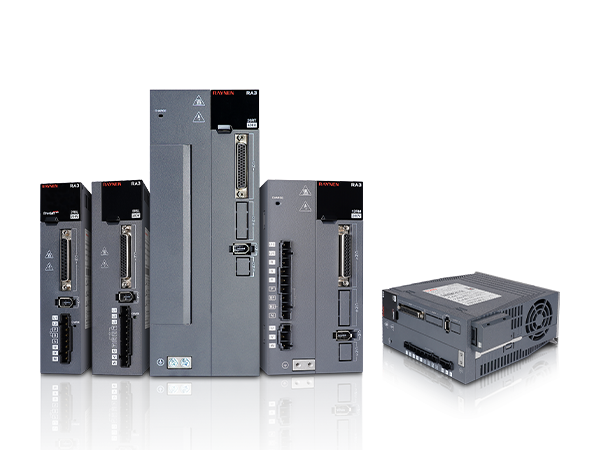
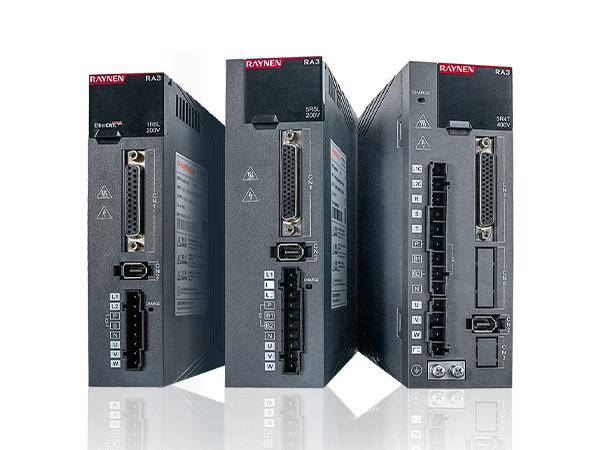
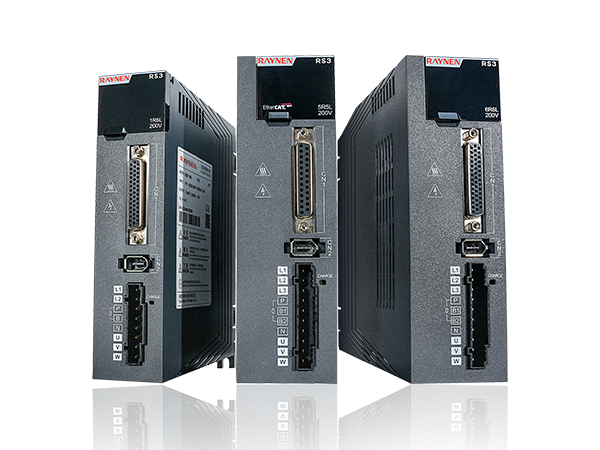
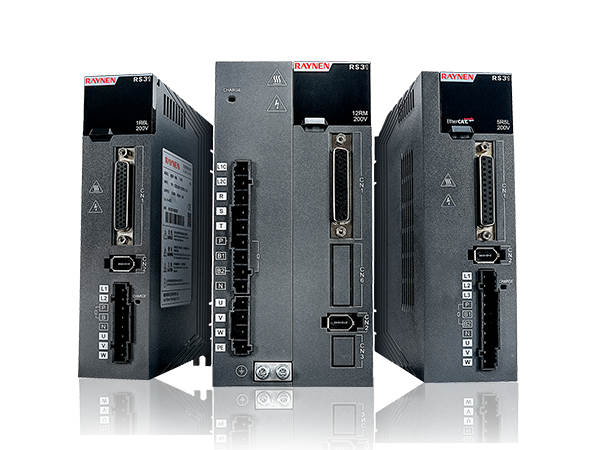










1.Introduction to AC Drives (Variable Frequency Drives) In the realm of modern industrial control an......
READ MOREWhat Is an AC Drive and Why Your Motors Actually Need One
Content
- 1 What Exactly Is an AC Drive?
- 2 How an AC Drive Actually Controls a Motor
- 3 Why So Many Industries Rely on AC Drives
- 4 Common Types of AC Drives and How They Differ
- 5 How to Choose the Right AC Drive for Your Application
- 6 Installation Tips That Prevent Future Headaches
- 7 Maintaining an AC Drive for Long-Term Reliability
- 8 Troubleshooting Common AC Drive Faults
- 9 Final Thoughts on Getting the Most from an AC Drive
What Exactly Is an AC Drive?
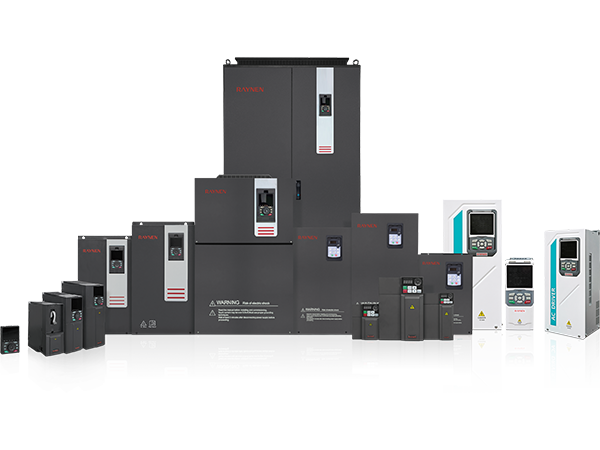
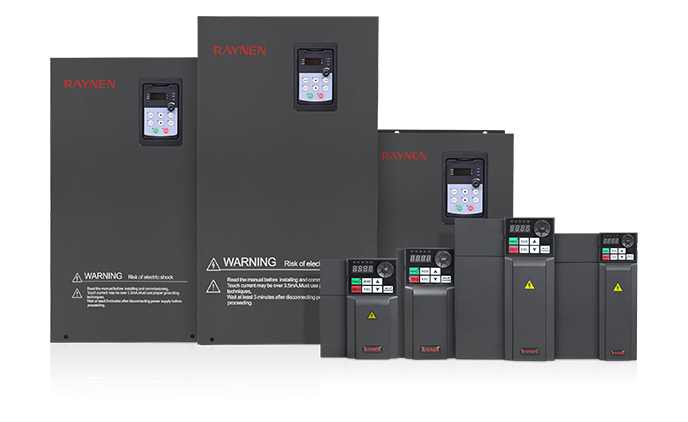
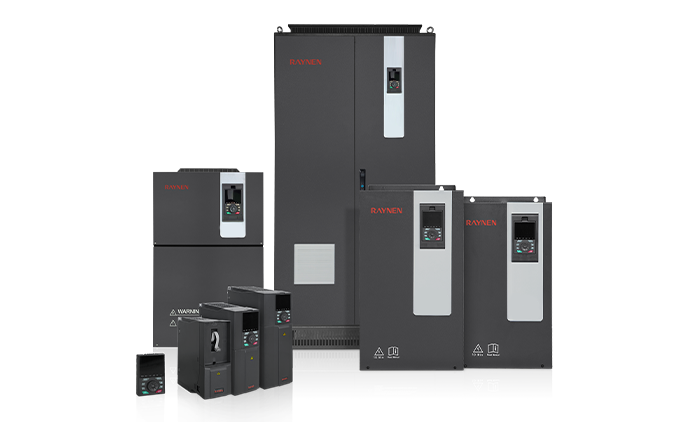
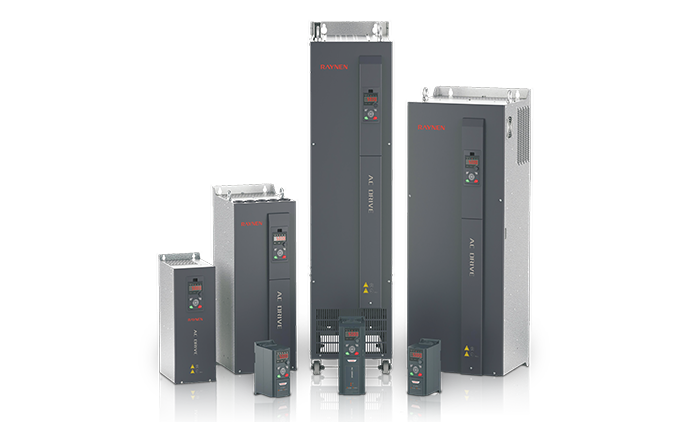
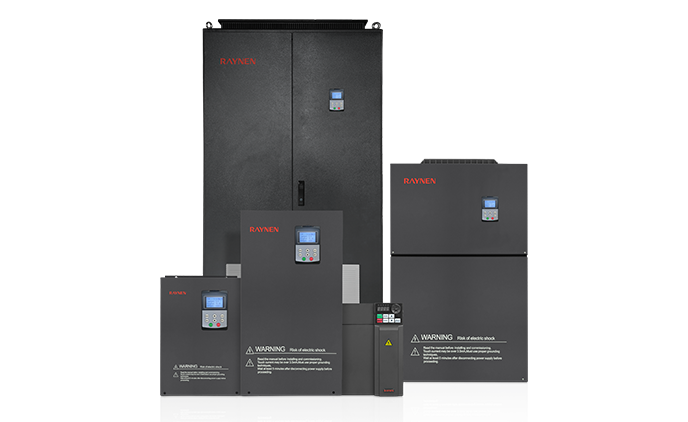
An AC drive, also called a variable frequency drive (VFD) or adjustable frequency drive, is an electronic device that controls the speed and torque of an AC induction motor by varying the frequency and voltage supplied to it. Instead of running a motor at a fixed speed directly off the power line, an AC drive lets you dial the speed up or down to match exactly what the process needs. This might sound like a small technical detail, but it changes how a piece of equipment behaves, how much energy it uses, and how long it lasts.
In simple terms, think of an AC drive as the throttle for an electric motor. Without one, a motor connected straight to the grid runs at essentially one speed, full speed, whether the application needs it or not. An AC drive converts incoming AC power to DC, then back to AC at a frequency the drive controls, which is what allows the smooth speed adjustment.
How an AC Drive Actually Controls a Motor
Every AC drive follows a similar internal process, even though brands and models differ in design and features. Understanding these stages makes it much easier to troubleshoot problems later or explain symptoms to a technician.
The Rectifier Stage
The incoming AC power first passes through a rectifier, which converts it into DC power. This is the same basic principle used in many power supplies, just scaled up for motor loads.
The DC Bus
The DC power then sits on what's called the DC bus, which smooths out the voltage using capacitors. This stage acts as a buffer between the incoming power and the motor-facing output.
The Inverter Stage
Finally, the inverter section switches the DC power back into AC power, but at a frequency and voltage that the drive controls electronically. By adjusting this output frequency, the AC drive changes how fast the motor's magnetic field rotates, which directly controls motor speed.
Why So Many Industries Rely on AC Drives
AC drives aren't just a nice-to-have upgrade. In many facilities, they've become a standard requirement because of the practical benefits they deliver day to day.
- Energy savings, since motors often only need partial speed for much of their operating time, and reducing speed cuts power consumption significantly
- Reduced mechanical stress, because a soft start avoids the sudden torque spike of direct-on-line starting
- Longer equipment life, thanks to gentler starts, stops, and more consistent operating conditions
- Precise process control, which matters for pumps, fans, conveyors, and mixers that need specific speeds
- Built-in protection features, such as overcurrent, overvoltage, and overheating trips that guard the motor
Common Types of AC Drives and How They Differ
Not all AC drives are built the same way, and picking the right type depends heavily on the application, the motor size, and the level of control precision required. The table below breaks down the most common categories.
| Drive Type | Best Use Case | Key Characteristic |
| V/Hz (Scalar) Drive | Fans, pumps, simple conveyors | Basic, cost-effective, moderate accuracy |
| Vector (Sensorless) Drive | Machinery needing higher torque control | Better low-speed torque without a feedback sensor |
| Closed-Loop Vector Drive | Cranes, elevators, precision equipment | Uses an encoder for very precise speed and position control |
| Multi-Motor Drive | Facilities running several motors together | One drive coordinates multiple motors simultaneously |
How to Choose the Right AC Drive for Your Application
Selecting an AC drive isn't just about matching horsepower ratings. There are several practical factors worth reviewing before making a purchase, especially since an undersized or mismatched drive can cause nuisance trips or premature failure.
Match the Drive to the Motor and Load
Check the motor's full load amps, voltage, and horsepower, then compare against the drive's rated output. Also consider the load type. Constant torque loads like conveyors behave differently than variable torque loads like centrifugal pumps and fans, and the drive should be sized with that distinction in mind.
Consider the Environment
Drives installed in dusty, humid, or high-temperature environments need appropriate enclosure ratings and sometimes additional cooling or filtering. Ignoring ambient conditions is one of the most common reasons drives overheat or fail early.
Check Communication and Control Needs
If the drive needs to integrate with a PLC, SCADA system, or building automation network, confirm it supports the required communication protocol, such as Modbus, EtherNet/IP, or Profibus, before purchase.

Installation Tips That Prevent Future Headaches
A properly installed AC drive runs quietly and reliably for years, while a rushed installation often leads to recurring faults. A few practical habits make a real difference.
- Keep motor cable lengths as short as practical, and use shielded cable for longer runs to reduce electrical noise
- Ensure proper grounding of both the drive and motor to avoid stray voltage issues
- Leave adequate clearance around the drive enclosure for airflow and heat dissipation
- Separate power cables from control and signal wiring to prevent interference
- Set the drive's motor nameplate parameters accurately during commissioning rather than relying on default values
Maintaining an AC Drive for Long-Term Reliability
AC drives are generally low-maintenance compared to mechanical components, but they still benefit from a regular inspection routine. Dust buildup, loose connections, and cooling fan wear are the most frequent culprits behind unexpected downtime.
A simple quarterly check should include cleaning air filters and heat sinks, inspecting cooling fans for unusual noise, verifying terminal connections are tight, and reviewing fault logs stored in the drive for recurring warning codes. Catching a pattern of minor faults early often prevents a full shutdown later.
Troubleshooting Common AC Drive Faults
Even well-maintained AC drives occasionally trip on faults. Knowing what the common ones usually mean helps narrow down the cause quickly instead of guessing.
- Overcurrent faults often point to a mechanical jam, an undersized drive, or too fast an acceleration setting
- Overvoltage faults are commonly caused by decelerating too quickly, which sends energy back into the DC bus faster than it can dissipate
- Overtemperature faults usually indicate blocked airflow, a failed cooling fan, or an environment that's simply too hot for the enclosure rating
- Ground fault warnings suggest insulation breakdown in the motor windings or cabling and should be investigated promptly
Final Thoughts on Getting the Most from an AC Drive
An AC drive is one of the simplest upgrades that delivers a measurable return, whether the goal is cutting energy costs, protecting mechanical equipment, or gaining tighter process control. The key is matching the drive type to the application, installing it correctly, and keeping up with basic maintenance. Done right, an AC drive will quietly do its job for years without drawing much attention, which is exactly what you want from industrial equipment.
Previous Post
No previous article
Next Post
Low-Voltage Soft Starter: A Simple Guide to How It Works and Why You Need One

Copyright 2024 Fujian Raynen Technology Co.,Ltd. All Rights Reserved.
Privacy Policy  Motor Control Manufacturers