English
 Español
 عربى
عربى
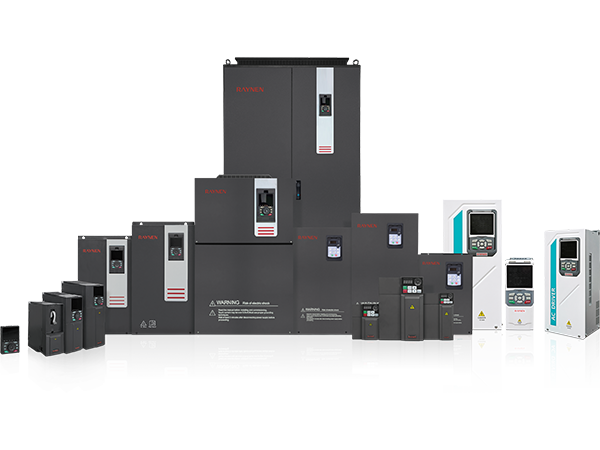
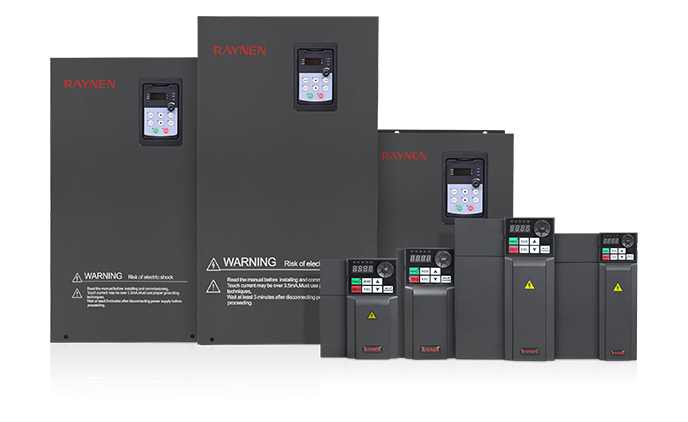
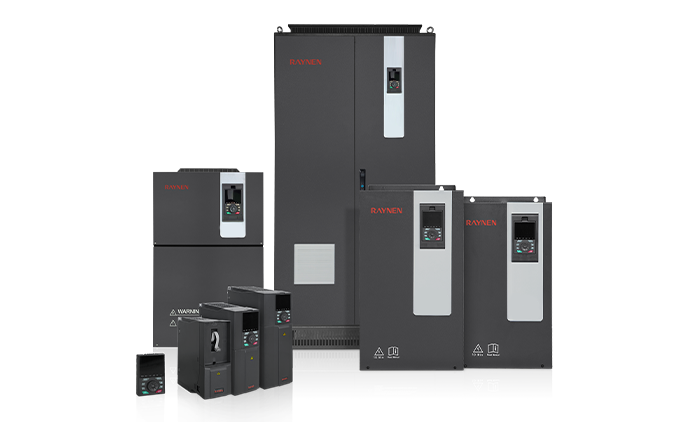
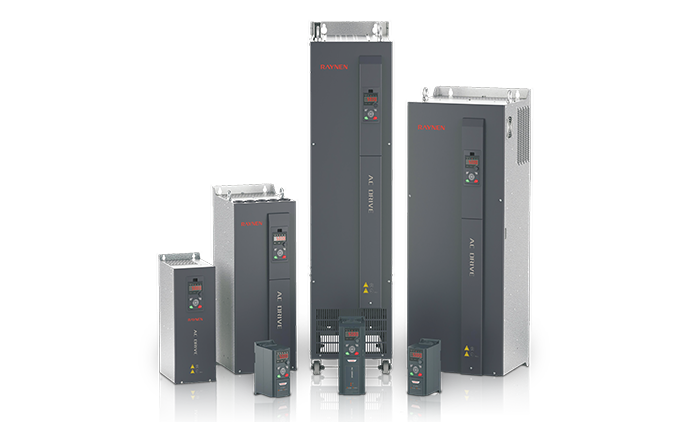
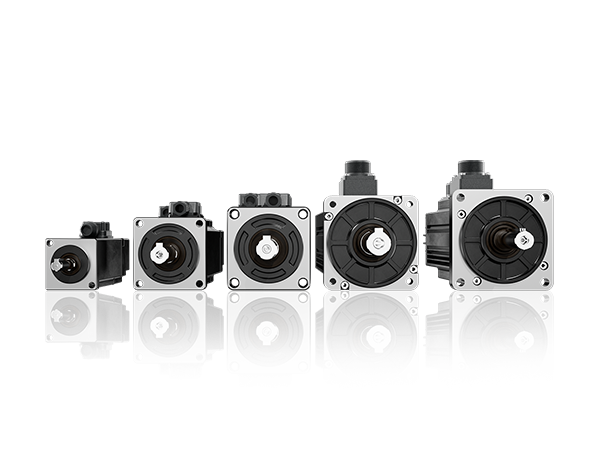
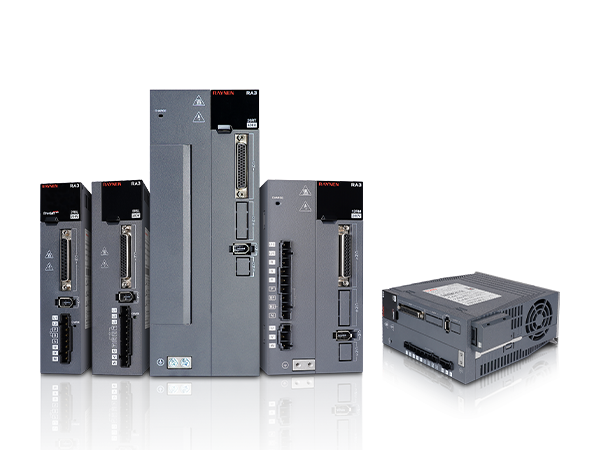
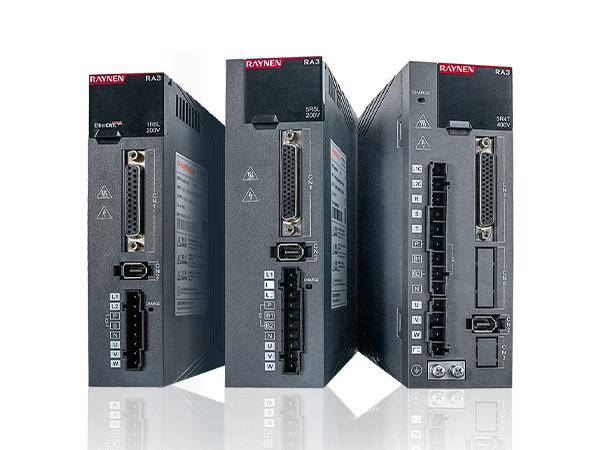
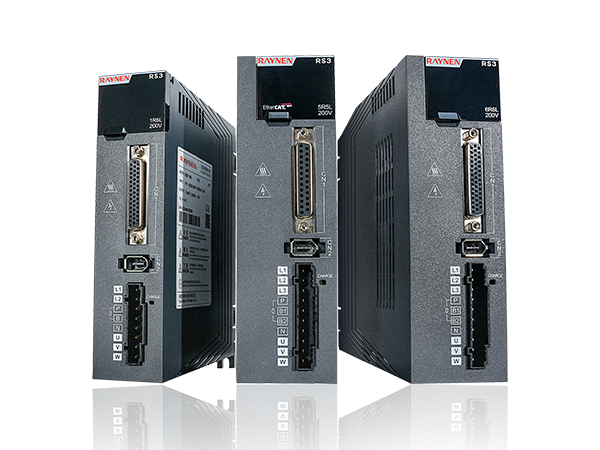




1.Introduction to AC Drives (Variable Frequency Drives) In the realm of modern industrial control an......
READ MOREHome / News / Industry News / What Is a Medium-Voltage Soft Starter and Why Does Your Big Motor Need One?
What Is a Medium-Voltage Soft Starter and Why Does Your Big Motor Need One?
Content
- 1 What Exactly Is a Medium-Voltage Soft Starter?
- 2 How Does a Medium-Voltage Soft Starter Work?
- 3 Why Facilities Choose Medium-Voltage Soft Starters
- 4 Medium-Voltage Soft Starter vs. Variable Frequency Drive: Which One Fits?
- 5 Common Applications Across Industries
- 6 How to Choose the Right Medium-Voltage Soft Starter
- 7 Installation and Maintenance Best Practices
What Exactly Is a Medium-Voltage Soft Starter?
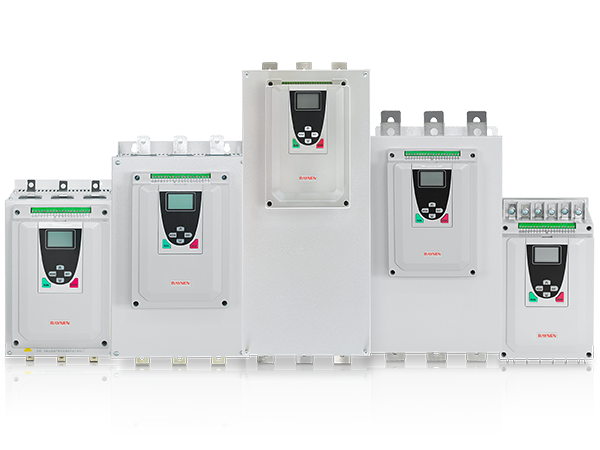
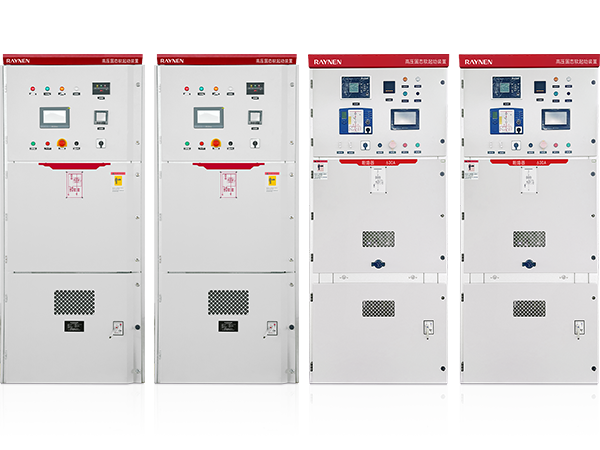
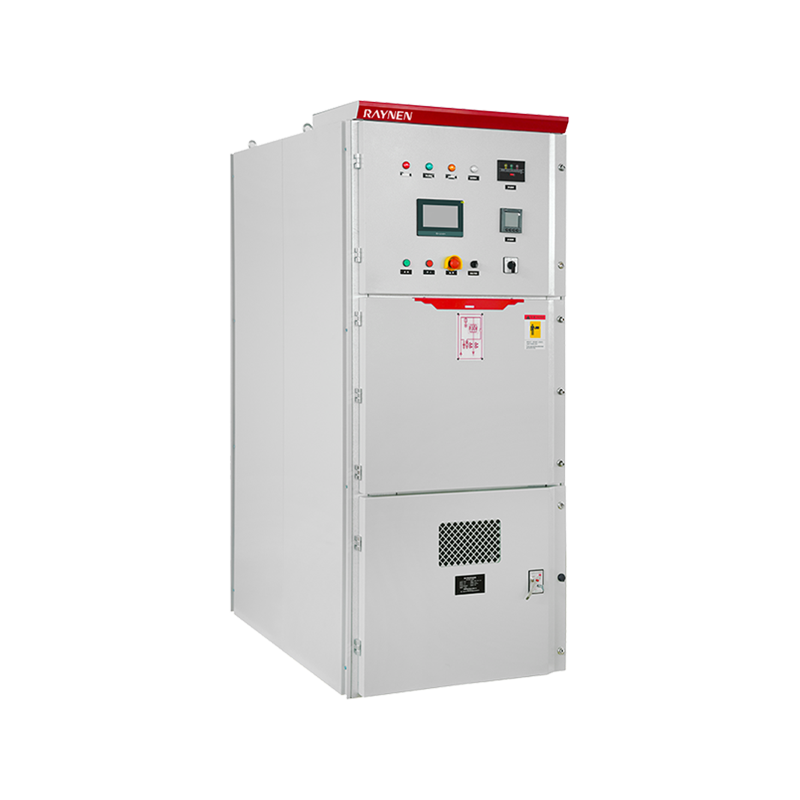
A medium-voltage soft starter is an electronic control device used to start and stop large AC induction motors that operate in the 2.3kV to 15kV range. Instead of slamming the motor with full voltage the moment it's switched on, a medium-voltage soft starter gradually ramps up the voltage and current, allowing the motor to accelerate smoothly to full speed. This "soft" approach is why the technology carries its name — it replaces the harsh, jolting start of a traditional across-the-line starter with a controlled, gentle ramp.
In heavy industries like mining, cement, water treatment, oil and gas, and power generation, motors are often huge — sometimes thousands of horsepower. Starting these motors directly can cause massive inrush currents, mechanical shock, and voltage sags that ripple through the entire electrical grid. A medium-voltage soft starter solves this problem at its root by managing exactly how much voltage the motor receives during the first few seconds of operation.
How Does a Medium-Voltage Soft Starter Work?
At the core of a medium-voltage soft starter are thyristors (silicon-controlled rectifiers) or similar power semiconductor devices. These components sit between the power supply and the motor, and they're controlled to open at a specific point in each AC voltage cycle. By adjusting the "firing angle" of the thyristors, the soft starter controls how much of each voltage wave actually reaches the motor.
During startup, the firing angle starts restrictive and gradually opens up over a set ramp time, usually somewhere between 5 and 60 seconds depending on the load. As the angle opens, more voltage reaches the motor, and it speeds up smoothly. Once the motor reaches full speed, many medium-voltage soft starters use a bypass contactor to route power directly to the motor, bypassing the thyristors entirely. This protects the electronics from continuous heat stress and improves overall system efficiency during normal running.
Typical Components Inside the System
- Thyristor power modules for voltage control
- Control logic board or microprocessor for ramp programming
- Bypass contactor to reduce heat once at full speed
- Cooling system, often forced-air or liquid-cooled for high-power units
- Protection relays for overcurrent, undervoltage, and thermal faults
Why Facilities Choose Medium-Voltage Soft Starters
The appeal of a medium-voltage soft starter goes beyond just a smoother startup. It directly affects equipment lifespan, energy costs, and even the size of the electrical infrastructure a facility needs to install. Below are the main advantages plant engineers point to when justifying the investment.
- Reduced inrush current, which can drop starting current from 6-8 times full load down to 2-4 times
- Lower mechanical stress on couplings, gearboxes, belts, and shafts during acceleration
- Reduced voltage dips that could otherwise disturb sensitive equipment on the same feeder
- Controlled deceleration or soft stop, which helps in pump applications to prevent water hammer
- Extended motor and mechanical component life due to fewer thermal and mechanical shocks
- Smaller generator or transformer sizing requirements since peak demand is reduced
Medium-Voltage Soft Starter vs. Variable Frequency Drive: Which One Fits?
This is one of the most common questions engineers face when specifying motor control equipment. Both a medium-voltage soft starter and a variable frequency drive (VFD) can control starting current, but they serve different purposes. A soft starter only manages the acceleration and deceleration phases, then lets the motor run at full, fixed speed. A VFD, on the other hand, continuously varies both voltage and frequency, giving full speed control throughout the entire operating cycle.
| Factor | Medium-Voltage Soft Starter | Variable Frequency Drive |
| Speed Control | Fixed speed after starting | Variable speed throughout operation |
| Initial Cost | Lower | Higher |
| Energy Savings | Minimal after ramp-up | Significant on variable-load applications |
| Best Application | Fans, pumps, compressors running at constant speed | Processes needing continuous speed adjustment |
| Footprint | Smaller | Larger, often needs harmonic filters |
In short, if a process runs at one constant speed once it's up and running — like a conveyor, fan, or fixed-speed pump — a medium-voltage soft starter is usually the more economical and reliable choice. If the process needs constant speed changes, a VFD earns back its higher cost through energy savings.
Common Applications Across Industries
Medium-voltage soft starters show up wherever large motors need a controlled, dependable start. Some of the most common use cases include:
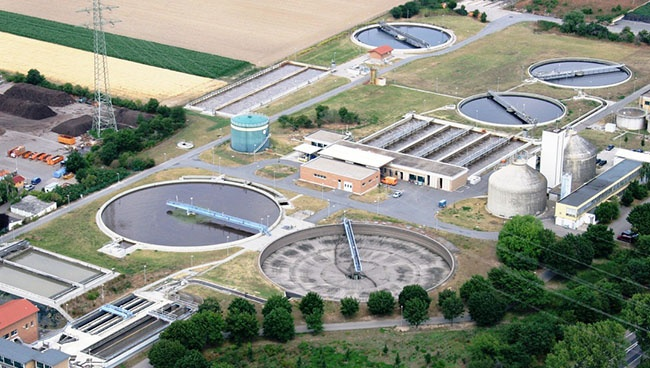
- Large centrifugal pumps in water and wastewater treatment plants
- Induced and forced draft fans in power generation facilities
- Crushers, conveyors, and mills in mining and mineral processing
- Compressors used in oil, gas, and petrochemical processing
- Kiln drives and ID fans in cement production plants
How to Choose the Right Medium-Voltage Soft Starter
Selecting the correct unit isn't just about matching voltage ratings. Engineers need to look at the full picture of the motor, the load, and the site conditions before making a decision.
Motor and Load Characteristics
Confirm the motor's rated voltage, current, and horsepower, then consider the load torque profile. High-inertia loads like large fans or crushers require longer ramp times and higher current limits than lighter loads such as pumps.
Starting Frequency and Duty Cycle
If the motor starts frequently throughout the day, the soft starter's thermal design and cooling system need to handle repeated cycles without overheating. This is where liquid-cooled units often outperform air-cooled versions in demanding applications.
Site Environment
Altitude, ambient temperature, humidity, and dust levels all affect how a medium-voltage soft starter should be enclosed and cooled. Coastal or offshore installations may also require corrosion-resistant enclosures and additional protection ratings.
Installation and Maintenance Best Practices
Proper installation and ongoing maintenance are what keep a medium-voltage soft starter reliable for its full service life, which can span 15 to 20 years with good care. Below are practices that consistently reduce downtime and unexpected failures.
- Schedule periodic thermal imaging scans to catch loose connections before they fail
- Keep cooling fans, filters, and heat sinks clean and free of dust buildup
- Verify bypass contactor operation regularly since it carries full running current
- Test protection relays and fault settings annually to ensure they trip correctly
- Log startup current and ramp times over time to spot early signs of motor or starter degradation
A well-maintained medium-voltage soft starter not only protects the motor it's paired with — it protects the broader electrical system, reduces unplanned outages, and ultimately saves money on both energy costs and equipment replacement over the years.
Previous Post
No previous article
Next Post
What Is a Programmable Logic Controller and How Does It Actually Run a Factory?

Copyright 2024 Fujian Raynen Technology Co.,Ltd. All Rights Reserved.
Privacy Policy  Motor Control Manufacturers