English
 Español
 عربى
عربى
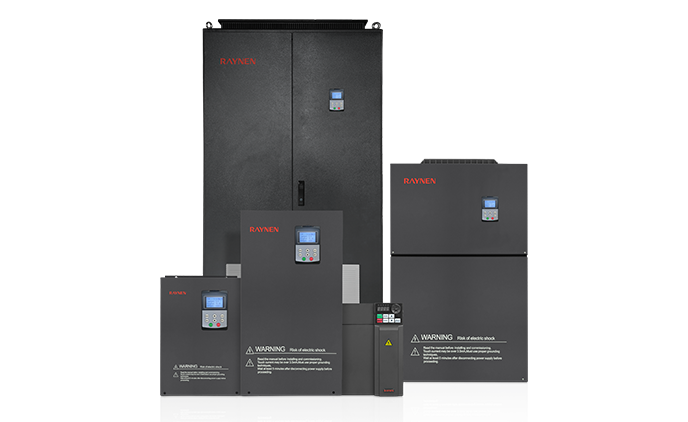
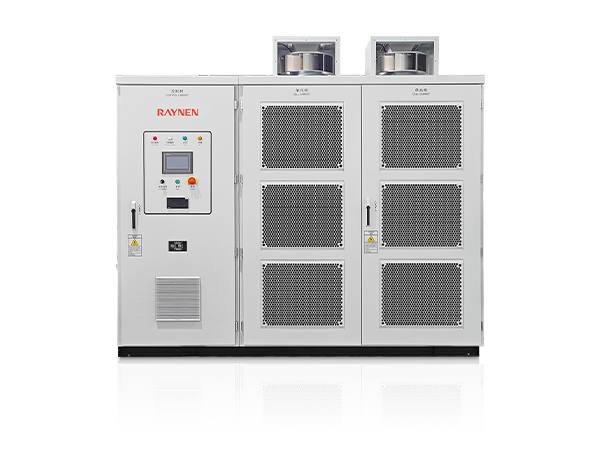
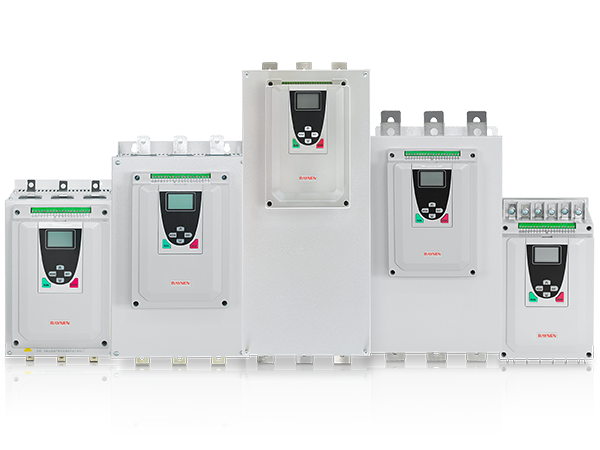
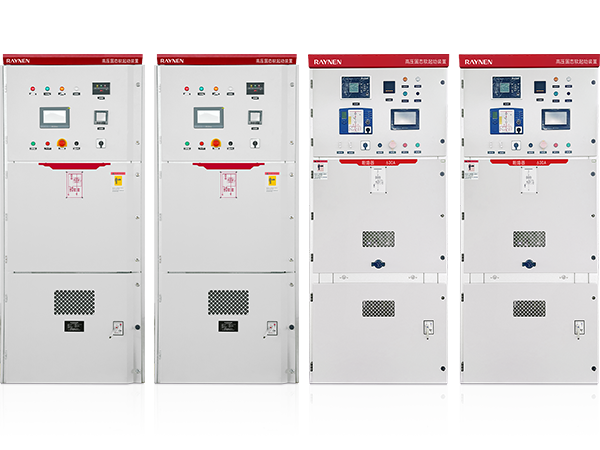





1.Introduction to AC Drives (Variable Frequency Drives) In the realm of modern industrial control an......
READ MOREHome / News / Industry News / Low-Voltage Soft Starter Guide: Topologies, Sizing, and Motor Applications
Low-Voltage Soft Starter Guide: Topologies, Sizing, and Motor Applications
A low-voltage soft starter is one of the least glamorous devices in an electrical room, and one of the most useful. It sits between the supply and a three-phase motor, raising the applied voltage gradually so the motor accelerates smoothly instead of slamming the line with a current spike six to eight times its full-load rating. Anyone who has stood beside a 200 kW pump when a contactor closes knows the difference, in the noise, in the mechanical stress, and in the size of the upstream breaker.
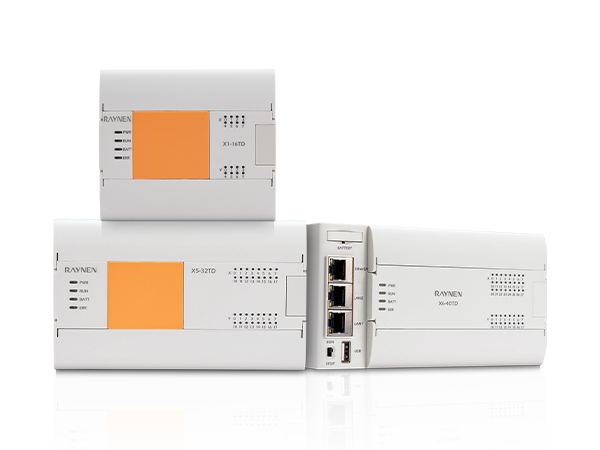
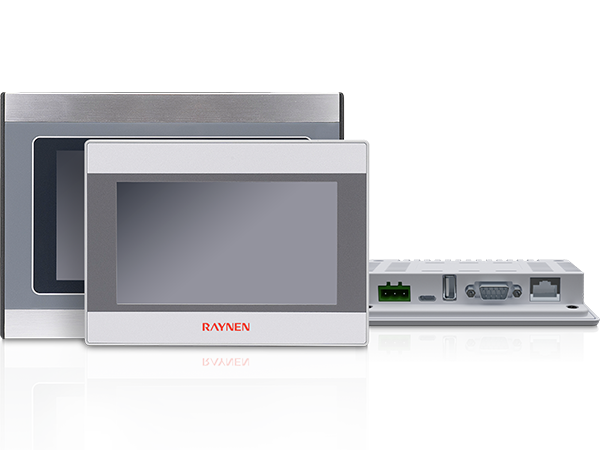
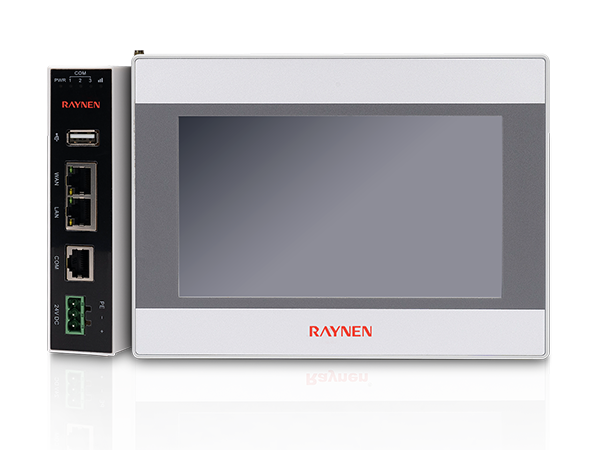
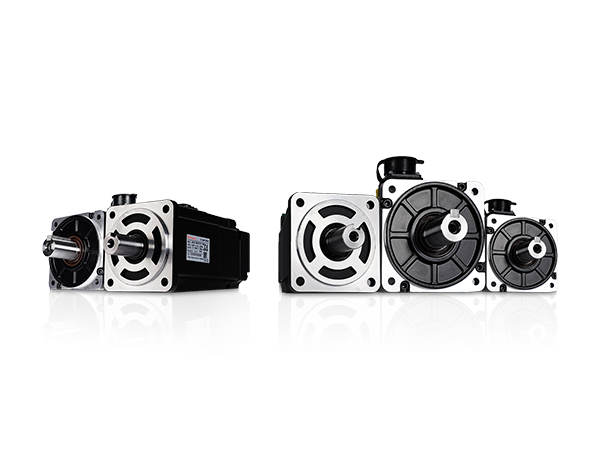
We build low-voltage soft starters as part of a wider industrial automation portfolio that also includes variable frequency drives, PLCs, HMIs, servo drives and motors. That combination matters more than it might appear, because choosing a starting method is rarely an isolated decision. This guide covers how a low-voltage soft starter works, when it beats the alternatives, and what to check before you specify one.
Content
What a Low-Voltage Soft Starter Actually Does
In a three-phase soft starter, each phase is controlled by a pair of silicon-controlled rectifiers (SCRs) connected in anti-parallel. The control circuit varies the firing angle of those SCRs, so only part of every half-cycle reaches the motor. Early in the start the conduction window is narrow and the terminal voltage is low; as the ramp progresses the window widens until the motor sees close to full line voltage. Torque and current rise together, roughly in proportion to the square of the applied voltage, which is why a gentle voltage ramp translates into a gentle mechanical start.
Inside the Power Stack
Because the SCRs are static, there is nothing to wear during a start: no contacts to pit, no arc chutes to replace. A modern soft starter usually handles protection duties as well, including overload curves matched to the motor, phase loss and phase imbalance detection, over-temperature monitoring, jam and undercurrent thresholds, and a bypass contactor that removes the thyristors from the circuit once the motor reaches speed. That bypass is an efficiency feature, not a convenience: after the start is complete the SCRs carry no current and produce no meaningful heat.
What "Low Voltage" Means in Practice
Low-voltage equipment covers the familiar industrial distribution range, commonly up to 690 V AC in IEC systems and 600 V in North American practice. Above that you enter medium-voltage territory, where starters use different topologies and far larger insulation clearances. Most factory-floor motors live in the low-voltage world, which is why the category is so broad, from a few kilowatts on a small conveyor to several hundred kilowatts on a process pump.
How It Compares with Other Starting Methods
Four options dominate three-phase motor starting. Each has a place, and the right choice depends on how much control you need once the motor is already running.
| Starting method | Inrush current | Control after start | Typical fit |
|---|---|---|---|
| Direct-on-line | 6 to 8 times FLC | None | Small motors, stiff supply, low-inertia loads |
| Star-delta | 2 to 4 times FLC | None, fixed step | Legacy installations, light-load starts |
| Low-voltage soft starter | 2 to 4 times FLC, adjustable | Ramp, current limit, soft stop | Pumps, fans, compressors, conveyors, mixers |
| Variable frequency drive | 1 to 1.5 times FLC | Full speed and torque control | Processes needing speed regulation or high breakaway torque |
The dividing line is simple. If the motor runs at one speed and the mechanical load tolerates a controlled ramp, a soft starter is usually the cheaper, more compact and more rugged answer. If the process needs to vary speed for flow, tension or synchronization, a drive is the right tool. Many plants run both, and it is entirely normal for one line to use a soft starter on the main fan and drives on the extruder.
Built-In, External and Online Bypass: Which Configuration Fits?
The bypass arrangement is where most specification debates end up, because it decides how much panel space you need, how much heat you have to manage, and how maintenance is performed years later.
Built-In Bypass
A built-in bypass places the contactor inside the starter housing. The unit becomes a self-contained package: line in, motor out, no external contactor and no extra wiring to document. Cabinet footprint stays small, which is why this is the default choice for OEM panels and compact pump controllers. Heat output drops to almost nothing after the start, so enclosure sizing and ventilation are straightforward.
 Built-in Bypass Low-Voltage Soft Starter Suppliers• Built-in bypass contactor • Independent control power supply (220VAC) • Supports internal connection of motor, suitable for larger motors • Password protection • Sta...View Product →
External Bypass
With an external bypass, the contactor is a separate component selected and mounted by the panel builder. That helps when a specification already dictates a particular contactor family, when the current rating falls outside a standard internal design, or when a maintenance team prefers a bypass they can inspect and replace independently of the starter. It is also the friendlier option for cabinets where space is already allocated and the starter has to fit an existing layout.
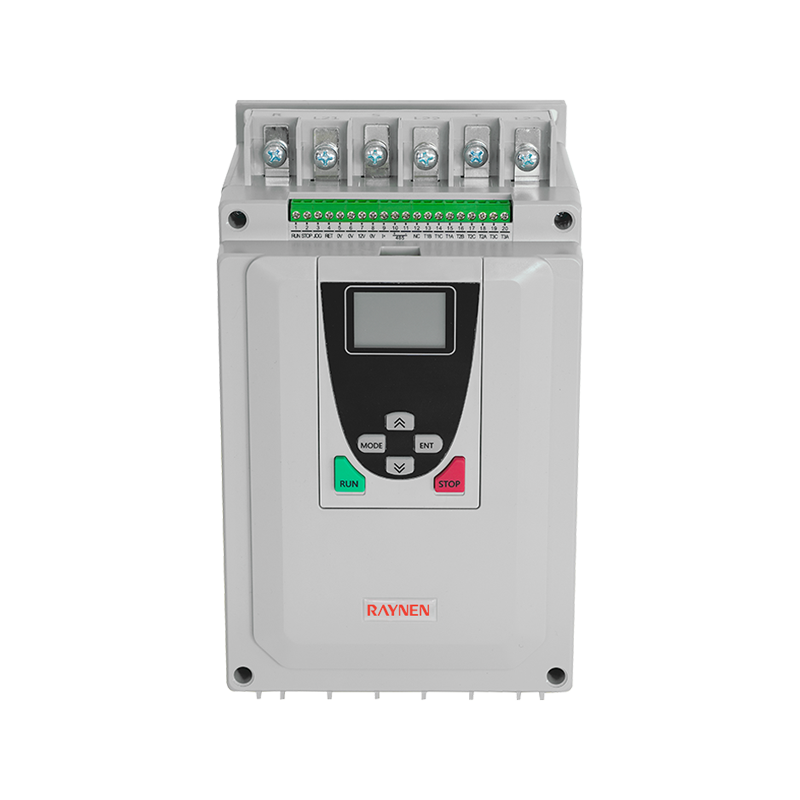 External Bypass Low-Voltage Soft Starter Suppliers• External bypass soft starter • Small size and low cost • Direct connection simplifies wiring • High reliability • Switch to bypass contactor after starting, low ener...View Product →
Where Low-Voltage Soft Starters Earn Their Keep
The applications that benefit most share one trait: high inertia or hydraulic loads that punish abrupt starts. Centrifugal pumps are the textbook case, because torque rises with the square of speed and a sudden stop can send a pressure wave back through the pipework. Fans behave similarly, with a large rotating mass, a long coast-down, and vibration problems if they are accelerated too aggressively.
- Water supply and wastewater: booster sets, submersible pumps, aeration blowers
- HVAC and district heating: circulation pumps, cooling tower fans, air handling units
- Compressed air and process gas: screw compressors and units that start unloaded
- Material handling: belt and screw conveyors, bucket elevators, hoists and cranes
- Process machinery: mixers, centrifuges, refiners, extruders and industrial washers
Retrofit projects are a category of their own. When an ageing star-delta starter is replaced, the motor cables, the panel cut-out and the control wiring usually stay exactly where they are, and the new starter has to fit that reality rather than the other way round. An online bypass design suits this situation, because it is built to be inserted into an existing in-line arrangement with minimal reworking of the cabinet, and because commissioning can be done with the original cable runs intact. If you are weighing options for a specific duty, our fan and pump application solutions show how the settings are usually configured in practice.
 Online Bypass Low-Voltage Soft Starter Suppliers• Online bypass contactor • No bypass contactor & Contactor mechanical life limit required • Compatible with external bypass contactor • Perfectly replaces solid-state...View Product →
Sizing and Specification Checklist
Most soft starter problems trace back to a specification written from the motor nameplate alone. A starter is selected on current and duty, and duty is a property of the load, not the motor.
- Motor full-load current, service factor and efficiency class
- Starts per hour and the duty cycle the process really demands
- Load torque curve versus available starting torque
- Ramp time, initial voltage and current limit settings
- Ambient temperature, altitude and required enclosure rating
- Bypass configuration and available panel space
- Control interface: 24 V DC or 110 to 230 V AC, analog input, serial communications
- Coordination with the upstream breaker or fuses
Two numbers do most of the work: the current limit the supply can tolerate, and how often the motor starts. A starter rated for three starts per hour will not enjoy fifteen, no matter what the nameplate says.
Documentation, Commissioning and Support
A soft starter is only as good as its settings, and settings are only as good as the documentation behind them. Our user manuals are versioned and published so that engineers can confirm a parameter list against the exact hardware revision on site, which removes a surprising amount of guesswork during commissioning.
Manuals, drawings, sample catalogues and software are all available through the user manual download section. If you are unsure which frame size suits a particular motor, or whether a built-in or external bypass is the better fit for your cabinet, talk to our engineers before you order rather than after the panel is drilled.
- Confirm the motor nameplate data and the wiring against the terminal diagram
- Set the overload class to match the motor and the expected duty
- Enter the full-load current, ramp time and initial voltage
- Test on an uncoupled or unloaded load first, then repeat under normal load
- Record the final parameter set inside the panel door for the next technician
A low-voltage soft starter is a modest piece of equipment with an outsized effect on reliability. It reduces mechanical shock on gearboxes and bearings, keeps inrush current inside what the supply can deliver, and gives maintenance teams clear diagnostics when something drifts. Get the starting method, the bypass configuration and the duty rating right at the specification stage, and the device will quietly do its job for years.
Previous Post
No previous article
Next Post
Low-Voltage AC Drives Explained: How They Work and How to Choose One for Your Application

Copyright 2024 Fujian Raynen Technology Co.,Ltd. All Rights Reserved.
Privacy Policy  Motor Control Manufacturers