English
 Español
 عربى
عربى
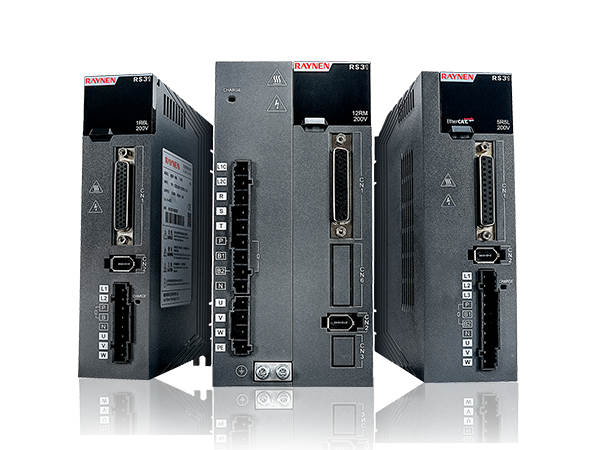

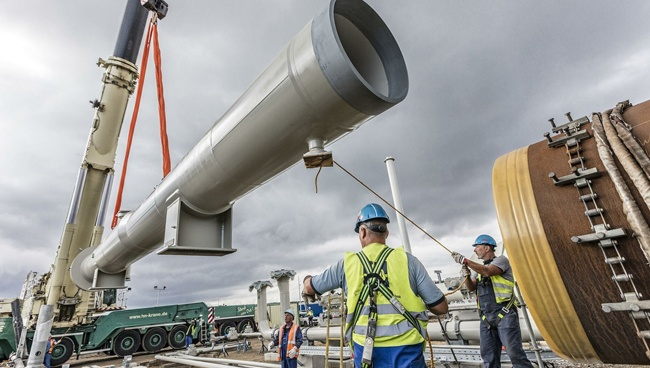

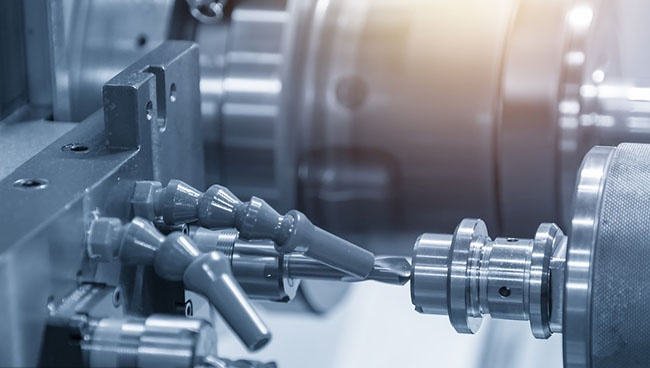





1.Introduction to AC Drives (Variable Frequency Drives) In the realm of modern industrial control an......
READ MOREHome / News / Industry News / Low-Voltage Soft Starters: What They Are, How They Work, and How to Pick the Right One
Low-Voltage Soft Starters: What They Are, How They Work, and How to Pick the Right One
Content
- 1 What Is a Low-Voltage Soft Starter?
- 2 How a Low-Voltage Soft Starter Works
- 3 Key Benefits of Using a Low-Voltage Soft Starter
- 4 Low-Voltage Soft Starter vs. VFD vs. Star-Delta Starter
- 5 Typical Applications for Low-Voltage Motor Soft Starters
- 6 Important Parameters to Understand Before Selecting a Soft Starter
- 7 How to Wire and Configure a Low-Voltage Soft Starter
- 8 Common Faults and Troubleshooting on LV Soft Starters
- 9 What to Look for When Buying a Low-Voltage Soft Starter
What Is a Low-Voltage Soft Starter?
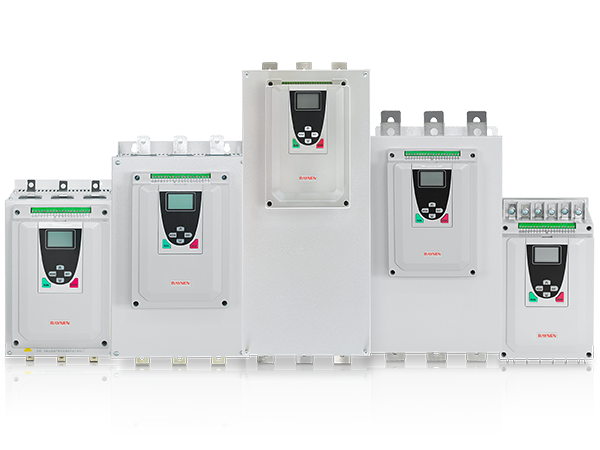
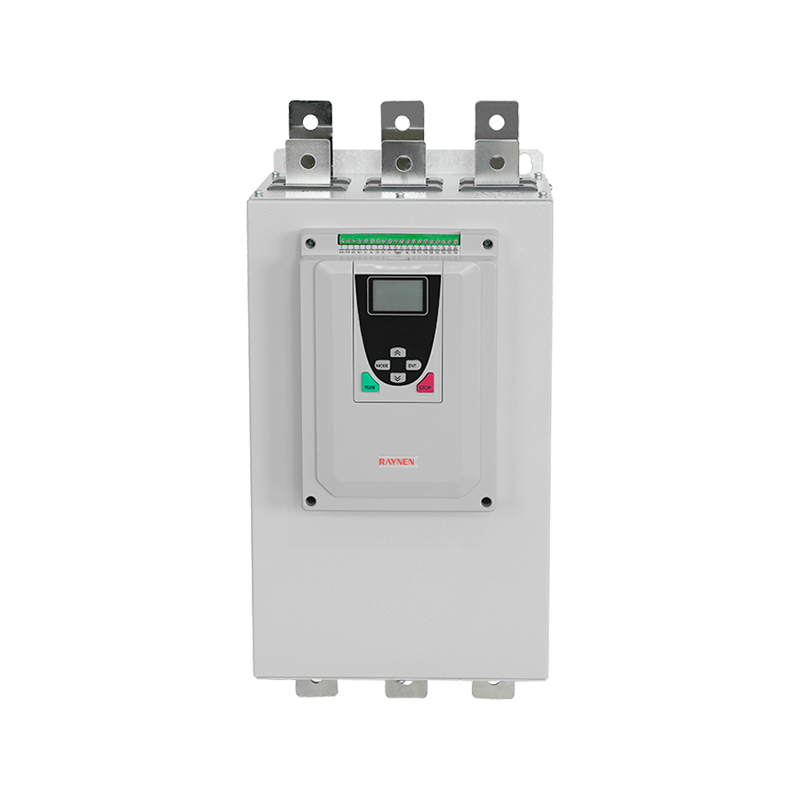
A low-voltage soft starter is an electronic motor control device that gradually ramps up the voltage supplied to an AC induction motor during startup, instead of applying full line voltage instantly. By controlling the firing angle of internal thyristors (SCRs), the LV soft starter limits the inrush current and reduces the mechanical torque shock that occurs when a motor starts under direct-on-line (DOL) conditions. The result is a smooth, controlled acceleration that protects both the motor and the connected load from stress and wear.
The "low-voltage" designation refers to the operating voltage range these devices are designed for — typically up to 1,000V AC, covering the most common industrial supply voltages of 200V, 400V, 480V, and 690V. This distinguishes them from medium-voltage soft starters used in higher-voltage applications above 1kV. Low-voltage motor soft starters are by far the most widely deployed category, found in industries ranging from water treatment and HVAC to mining, food processing, and manufacturing.
How a Low-Voltage Soft Starter Works
Understanding the operating principle of an AC motor soft starter helps engineers and technicians configure it correctly and troubleshoot problems effectively. The core of every soft starter is a set of back-to-back thyristor pairs — one pair per phase in a three-phase unit — connected in series with the motor supply lines.
Voltage Ramp and Thyristor Firing Angle
Thyristors are semiconductor switches that can be turned on at a controlled point within each AC half-cycle. By delaying the firing angle — the precise moment in the cycle when the thyristor switches on — the soft starter effectively reduces the RMS voltage delivered to the motor. At the start of the ramp, the firing angle is large (late in the cycle), delivering low voltage. As the motor accelerates, the firing angle decreases progressively until full voltage is applied and the motor reaches its operating speed. The entire ramp typically lasts between 2 and 30 seconds, depending on the load and the programmed settings.
Bypass Contactor
Once the motor has reached full speed, most low-voltage soft starters engage an internal or external bypass contactor that short-circuits the thyristors and connects the motor directly to the supply. This is an important design feature — thyristors generate heat during operation due to their internal resistance, and running them continuously at full conduction is inefficient. The bypass contactor eliminates this heat generation during normal running, improving overall system efficiency and extending thyristor service life. Some compact soft starter models integrate the bypass contactor internally; others require an external contactor wired in parallel.
Soft Stop Function
In addition to controlled starting, most modern LV soft starters also provide a soft stop function. Rather than cutting power abruptly — which causes water hammer in pump systems or mechanical jerk in conveyor systems — the soft stop gradually reduces voltage over a programmable deceleration time. This is particularly valuable in pump applications where sudden valve closures create destructive pressure surges in pipework.
Key Benefits of Using a Low-Voltage Soft Starter
The primary reason engineers specify an AC motor soft start device is to solve specific problems associated with across-the-line motor starting. The benefits go well beyond simply reducing startup current:
- Reduced inrush current: DOL starting typically generates inrush currents of 6–8 times the motor's full load current. A soft starter can reduce this to 2–4 times FLC, dramatically lowering the peak demand on the electrical supply and reducing the risk of tripping upstream protection devices or causing voltage dips that affect other equipment on the same network.
- Reduced mechanical stress: Sudden torque application during DOL starting strains couplings, gearboxes, conveyor belts, and pump impellers. Controlled acceleration significantly extends the service life of mechanical drivetrain components and reduces maintenance frequency.
- Lower energy demand charges: In many utility tariff structures, peak demand charges are based on the highest current draw recorded in a billing period. Frequent DOL motor starts can inflate these peaks and increase electricity bills substantially. Soft starters reduce peak demand during start events.
- Extended motor winding life: Thermal stress from repeated high inrush currents degrades motor winding insulation over time. Limiting inrush current reduces this thermal cycling and extends motor lifespan.
- Built-in motor protection: Most modern soft starters include integrated protection functions such as overload protection, phase loss detection, phase imbalance monitoring, stall protection, and thermistor input for motor temperature monitoring — eliminating the need for separate protection relays in many installations.
- Compact and cost-effective: Compared to variable frequency drives (VFDs), soft starters are generally smaller, less expensive, and simpler to install — making them the preferred choice when variable speed operation is not required.
Low-Voltage Soft Starter vs. VFD vs. Star-Delta Starter
Three technologies are commonly compared when selecting a motor starting solution: the low-voltage soft starter, the variable frequency drive (VFD), and the traditional star-delta (Y-Δ) starter. Each has distinct strengths and limitations. The right choice depends on whether variable speed is needed, the load type, and the available budget.
| Feature | Low-Voltage Soft Starter | Variable Frequency Drive (VFD) | Star-Delta Starter |
| Variable Speed Control | No | Yes | No |
| Inrush Current Reduction | Good (2–4× FLC) | Excellent (<1.5× FLC) | Moderate (~3–4× FLC, with transient spike on changeover) |
| Torque Control During Start | Good | Excellent | Poor (torque dip on changeover) |
| Cost | Low to Medium | Medium to High | Low |
| Size / Footprint | Compact | Larger | Larger (multiple contactors) |
| Energy Savings During Running | Minimal (bypass mode) | Significant (at partial load) | None |
| Harmonic Distortion | Only during start/stop | Continuous (requires mitigation) | None |
| Best For | Fixed-speed loads needing smooth starting | Variable speed and energy-saving applications | Light-load, low-start-frequency applications |
The key takeaway is that a low-voltage soft starter is the most practical choice when you need smooth, controlled motor starting at a fixed operating speed without the added complexity and cost of a VFD. If speed control during running is required — for example, on a variable-flow pump or fan system — a VFD is the better option despite its higher price.
Typical Applications for Low-Voltage Motor Soft Starters
LV soft starters are deployed across virtually every industry segment where large AC induction motors are used for fixed-speed operation. Their practical value is greatest in applications where mechanical shock, inrush current, or water hammer are genuine operational concerns.
Pumps and Water Systems
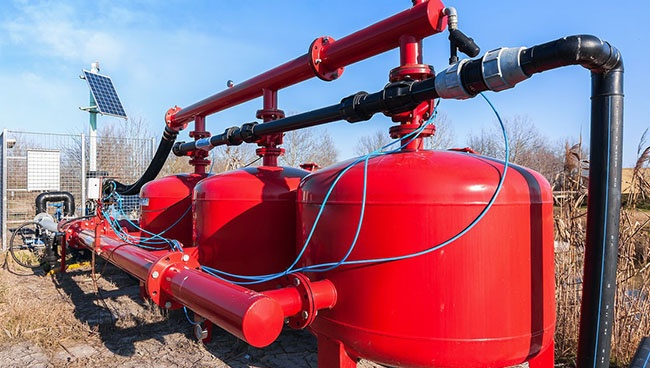
Centrifugal pumps are the single most common application for soft starters. Abrupt DOL starts on pump motors cause water hammer — a pressure shockwave that travels through the piping system and can crack fittings, damage valves, and stress pipe joints. The soft stop function is equally valuable here, preventing the pressure surge that occurs when a pump stops suddenly. Municipalities, industrial water treatment plants, irrigation systems, and building services all routinely specify soft starters on pump motors above 15 kW.
Compressors
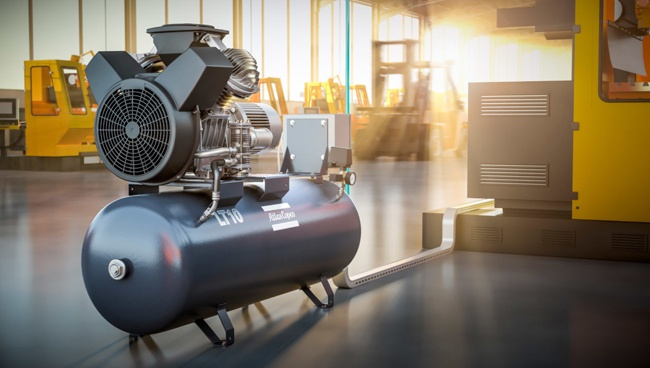
Air compressors — both reciprocating and screw types — benefit from soft starting because their loads are often heavy at startup, especially when there is residual pressure in the compression chamber. A soft starter reduces the mechanical jolt during engagement and limits the peak demand spike that would otherwise occur. Refrigeration compressors in commercial HVAC systems are another major application area, where reliable, smooth starting is essential to system longevity.
Conveyors and Belt Systems
Long conveyor belts loaded with material are particularly vulnerable to mechanical damage from sudden starts. A DOL start can snap belts, shear drive pins, and damage gearboxes. Soft starters allow conveyor systems to gradually come up to speed, distributing the load evenly across the drivetrain and preventing material spillage caused by a jerky start. Mining, aggregate processing, airport baggage handling, and logistics warehouses all rely heavily on soft starters for conveyor motor control.
Fans and Blowers
Large centrifugal fans in HVAC systems, industrial ventilation, and process air handling have significant rotational inertia. Soft starting limits the mechanical stress during acceleration and protects fan blades, shaft couplings, and bearings from the shock of instant full-voltage application. In systems where multiple fans share a common bus, staggered soft starts also prevent simultaneous inrush current peaks from causing voltage sags on the supply.
Crushers and Mills
Heavy industrial machinery like rock crushers, ball mills, and hammer mills must accelerate massive rotating masses from standstill. The inertia involved means that without current limiting, startup events would cause severe electrical and mechanical stress. Soft starters provide the controlled torque buildup needed to bring these loads up to speed safely, and many manufacturers offer torque-controlled starting modes specifically designed for high-inertia loads.
Important Parameters to Understand Before Selecting a Soft Starter
Selecting a low-voltage soft starter that is properly matched to your application requires understanding several key electrical and mechanical parameters. Oversizing adds unnecessary cost; undersizing leads to overheating, nuisance tripping, and premature failure.
- Motor rated current (FLC): The soft starter must be rated at or above the motor's full load current. Always use the motor nameplate FLC value, not just the power rating in kW, because the actual current depends on efficiency and power factor.
- Start frequency and duty cycle: How many starts per hour does the application require? Soft starters generate heat during the ramp period, and thyristors must cool between starts. Applications requiring frequent starts — such as compressors that cycle on and off — need a soft starter with a higher duty cycle rating or active cooling.
- Starting torque requirement: Some loads — particularly compressors with back pressure, or heavily loaded conveyors — require a high breakaway torque to start moving. Ensure the soft starter's current limit setting can supply enough torque to accelerate the load within the ramp time.
- Supply voltage and frequency: Confirm the soft starter's rated voltage matches your supply — 200–240V, 380–480V, or 500–690V. Most modern units cover a wide input voltage range, but always verify. Frequency compatibility (50Hz or 60Hz) must also be confirmed.
- Ambient temperature and installation environment: Soft starters are typically rated for operation at up to 40°C ambient. In hot environments, derating is required — meaning you must select a larger current-rated unit than the motor strictly requires. For dusty, wet, or corrosive environments, consider IP54 or IP65 enclosure ratings.
- Control interface requirements: Determine what control signals the soft starter must accept — digital I/O, analog signals, Modbus RTU, Profibus, EtherNet/IP, or other fieldbus protocols. Integration with a PLC or SCADA system may require a specific communication option.
How to Wire and Configure a Low-Voltage Soft Starter
Correct wiring and commissioning of an LV soft starter is straightforward when the basic rules are followed. Most installation errors come from incorrect bypass contactor wiring, mismatched parameter settings, or failure to account for motor thermistor connections.
In-Line vs. Inside-Delta Wiring
The standard wiring method is in-line connection, where the soft starter is connected in series with all three phases between the supply and the motor. This is suitable for the vast majority of applications. An alternative method — inside-delta connection — connects the soft starter within the motor's delta winding, which allows the use of a smaller soft starter rated for 58% of the motor's line current. This topology is used when cost savings on larger soft starters are important, but it requires a motor with accessible delta terminals and more complex wiring.
Essential Parameters to Set During Commissioning
During initial commissioning, several parameters must be programmed correctly based on the motor nameplate data and the application load characteristics:
- Motor rated current: Set to the motor's nameplate FLC value. This is the baseline for all overload protection calculations.
- Initial voltage / starting torque: The voltage level at which the ramp begins. Set too low and the motor may not break away from standstill; set too high and the benefit of soft starting is reduced.
- Ramp-up time: The duration of the voltage ramp from initial voltage to full voltage. Typical settings range from 5 to 20 seconds for most pump and fan applications.
- Current limit: Maximum current the soft starter will allow during starting, expressed as a multiple of FLC. Setting this too low may prevent the motor from accelerating under load.
- Soft stop time: For pump applications, set an appropriate soft stop deceleration time (typically 5–15 seconds) to prevent water hammer on shutdown.
- Overload class: Select the appropriate overload trip class (Class 10, 20, or 30) based on the motor's starting time requirements and thermal characteristics.
Common Faults and Troubleshooting on LV Soft Starters
When a soft starter trips or behaves unexpectedly, diagnosing the root cause quickly minimizes downtime. Most modern units display a fault code on an integrated HMI or LED display that narrows the problem down significantly.
| Fault / Symptom | Likely Cause | Recommended Action |
| Motor fails to start / stall fault | Current limit set too low or ramp time too short for load | Increase current limit setting; extend ramp-up time |
| Overload trip during starting | Motor or mechanical load is jammed; overload class too tight | Check mechanical load; verify overload class matches motor start time |
| Thyristor overtemperature fault | Too many starts in quick succession; inadequate ventilation | Allow cooling time between starts; improve enclosure ventilation |
| Phase loss / phase imbalance fault | Blown fuse, loose connection, or supply issue on one phase | Check all three phase voltages at the soft starter input terminals |
| Motor runs rough after bypass | Bypass contactor not engaging; thyristor partially failed | Check bypass contactor coil and auxiliary contact; test thyristors |
| Communication fault with PLC | Incorrect fieldbus address, wiring fault, or protocol mismatch | Verify node address, baud rate, and termination resistor settings |
What to Look for When Buying a Low-Voltage Soft Starter
The market for LV soft starters includes products ranging from basic current-ramp units to sophisticated devices with full motor protection suites, fieldbus connectivity, and predictive maintenance features. Here is what to evaluate when comparing models and suppliers:
- Current range and frame size: Ensure the model covers your motor's FLC with appropriate headroom. Check whether the manufacturer offers a continuous current range or requires selecting exact-rated frames.
- Integrated bypass contactor: Units with a built-in bypass reduce panel wiring complexity and save space. External bypass is acceptable but adds installation cost and requires careful sizing of the contactor.
- Protection functions included: Look for overload protection, phase loss, phase reversal, phase imbalance, underload (dry-run for pumps), stall protection, and thermistor input as standard or optional features.
- Communication options: If integration with automation systems is needed, confirm the availability of Modbus RTU, Profibus DP, DeviceNet, EtherNet/IP, or PROFINET communication modules.
- Certifications and compliance: Verify CE marking, UL/cUL listing, and compliance with IEC 60947-4-2 (the primary standard for AC semiconductor motor controllers). For hazardous area installations, check ATEX or IECEx compliance of the control circuit.
- Manufacturer support and spare parts: Choose suppliers with local technical support, readily available spare thyristor modules, and a track record of product longevity. Proprietary designs with limited spare parts availability can become a maintenance liability.
- Warranty and MTBF data: Ask for mean time between failure (MTBF) data and warranty terms. Reputable manufacturers of motor soft start devices publish reliability data and stand behind their products with multi-year warranties.
Previous Post
Variable Frequency Drive Explained: How It Works, Where It's Used, and How to Get It Right
Next Post
Programmable Logic Controller Explained: What It Is, How It Works, and How to Choose One

Copyright 2024 Fujian Raynen Technology Co.,Ltd. All Rights Reserved.
Privacy Policy  Motor Control Manufacturers