English
 Español
 عربى
عربى










Content
Core Principle: How Low-Voltage VFDs Regulate Motor Speed and Power
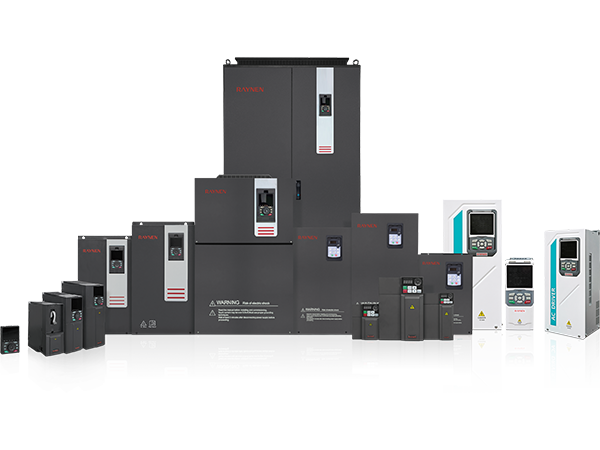
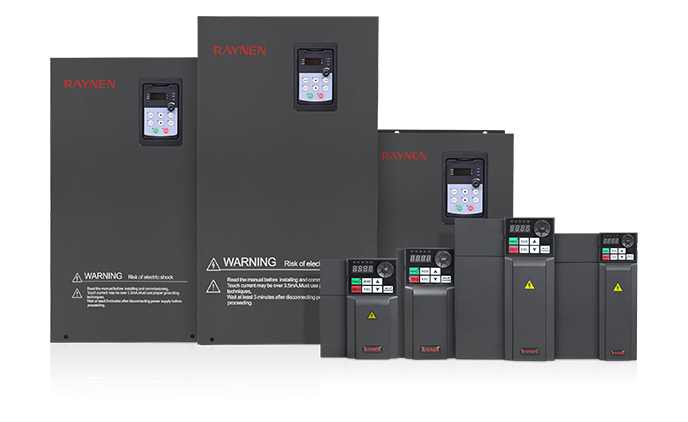
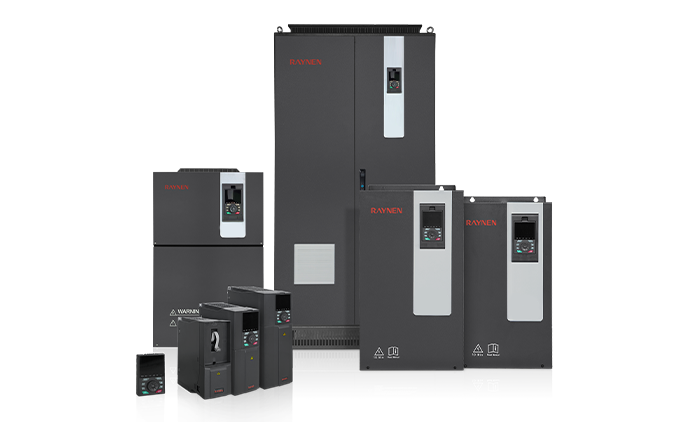
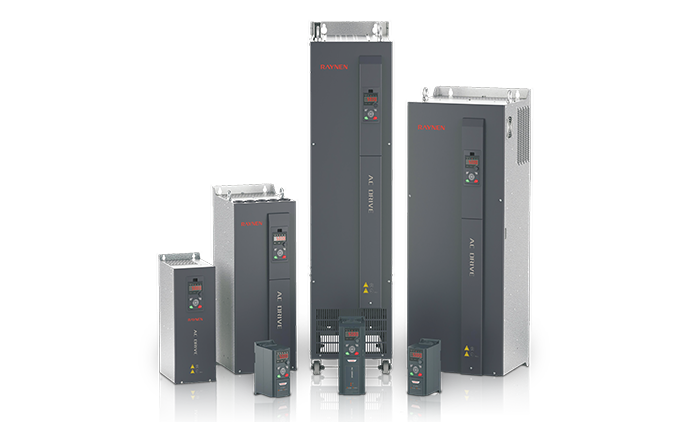
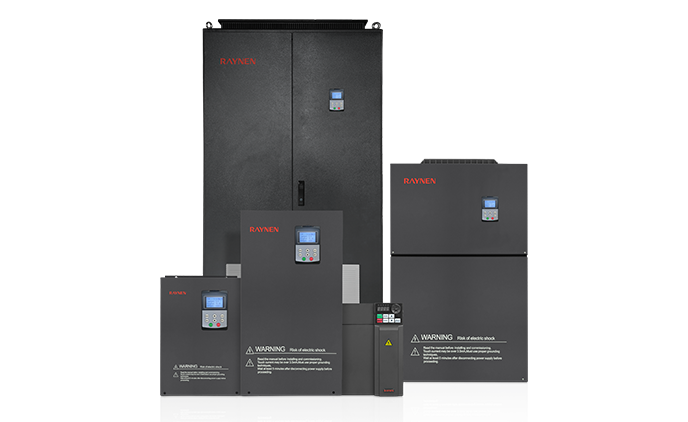
A Low-Voltage Variable Frequency Drive (VFD), often referred to as an Adjustable Speed Drive (ASD), is an essential component for controlling the rotational speed of an alternating current (AC) motor by managing the electrical power supplied to it. The "low-voltage" designation typically applies to VFDs operating on standard industrial voltages up to 690V. The fundamental operation is based on varying the frequency and voltage simultaneously, maintaining a constant voltage-to-frequency (V/f) ratio to ensure the motor's magnetic flux remains constant and it can deliver the required torque.
The VFD internally converts the incoming AC power to direct current (DC) using a rectifier section, typically a diode bridge. This DC power is then filtered by a DC link capacitor bank, which smooths out the power. Finally, an inverter section, usually consisting of Insulated Gate Bipolar Transistors (IGBTs), converts the DC back into a precise variable frequency and variable voltage AC waveform using a technique called Pulse Width Modulation (PWM).
Practical Benefits and Immediate Cost Savings of VFD Implementation
The practical benefits of integrating VFDs into industrial and commercial systems extend beyond simple speed control, directly impacting operational costs, equipment lifespan, and process quality. These advantages provide a rapid return on investment, particularly in fluid-handling applications.
Significant Energy Reduction Through Affinity Laws
For centrifugal loads such as pumps and fans, the motor's power consumption follows the cube of the speed (Affinity Law). This means that a small reduction in speed results in a massive reduction in power drawn. For example, reducing the speed by just 20% (operating at 80% speed) reduces the power consumption by nearly 50% ($0.8^3 = 0.512$). This proportional relationship is the primary driver for massive energy savings in HVAC and water treatment facilities.
Enhanced Process Control and Equipment Protection
VFDs provide a 'soft start' capability by slowly ramping up the motor from zero speed to the operating speed. This eliminates the massive inrush current and mechanical shock associated with 'Across-the-Line' starting, where the motor receives full voltage instantly. By mitigating electrical stress and mechanical wear on components like gears, belts, and couplings, the VFD extends the maintenance intervals and overall operational life of the driven equipment. Furthermore, precise speed control allows for accurate regulation of flow, pressure, or temperature, improving product quality in manufacturing processes.

Common Low-Voltage VFD Application Profiles
Low-voltage VFDs are versatile and are deployed across nearly every industrial sector. Their application is typically categorized by the load type: variable torque, constant torque, or constant power.
The table below summarizes common applications and their characteristics:
| Application Type | Typical Loads | Torque Profile | Primary Benefit |
| HVAC and Pumping | Centrifugal Fans, Blowers, Pumps | Variable Torque (Torque $\propto$ Speed$^2$) | Maximum Energy Savings (Affinity Law) |
| Material Handling | Conveyors, Extruders, Mixers | Constant Torque (Torque is fixed) | Precise Speed/Position Control |
| Machine Tools | Lathes, Mills, Spindles | Constant Power (Torque inversely $\propto$ Speed) | Wide Speed Range for Machining |
Practical Considerations for VFD Selection and Installation
Proper selection and installation are crucial for achieving the full benefits of a VFD. Key considerations include environmental conditions, motor compatibility, and mitigation of potential power quality issues.
Sizing, Enclosures, and Environmental Factors
The VFD must be correctly sized to the motor's full-load current (FLA) rating, and often slightly oversized for applications with demanding duty cycles or high starting torque requirements. The enclosure type must be suitable for the environment, ranging from NEMA 1 (general purpose, indoor) to NEMA 4X (corrosion-resistant, outdoor/washdown). The VFD generates heat, so adequate cooling clearance and ambient temperature control are mandatory for reliable operation.
Mitigating Power Quality and Harmonic Issues
The VFD's rectifier section draws current in short, high-amplitude pulses, which can introduce harmonic distortion back into the electrical supply line. This can negatively affect other sensitive equipment. Practical mitigation strategies include:
- Adding AC Line Reactors on the input side to smooth the incoming current and reduce harmonic content.
- Installing DC Link Chokes between the rectifier and the capacitor bank to reduce harmonics and improve the DC bus stability.
- Utilizing Active Front End (AFE) VFDs or 18-Pulse Rectifiers for applications where very low total harmonic distortion (THD) is critical, although these options increase initial capital cost.
Additionally, the high-speed switching of the IGBTs can generate voltage spikes, which may damage the motor windings over time. For longer motor lead lengths (typically over 50 feet), the installation of load reactors or output filters is highly recommended to protect the motor insulation.