English
 Español
 عربى
عربى
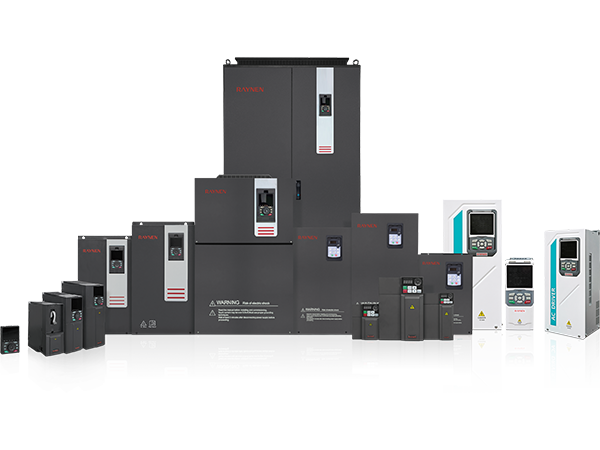
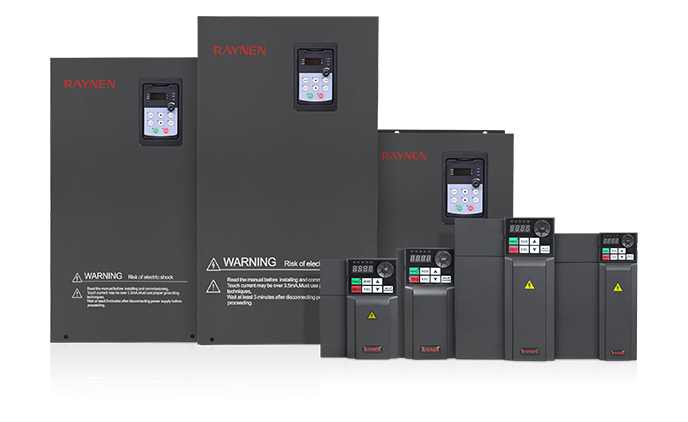
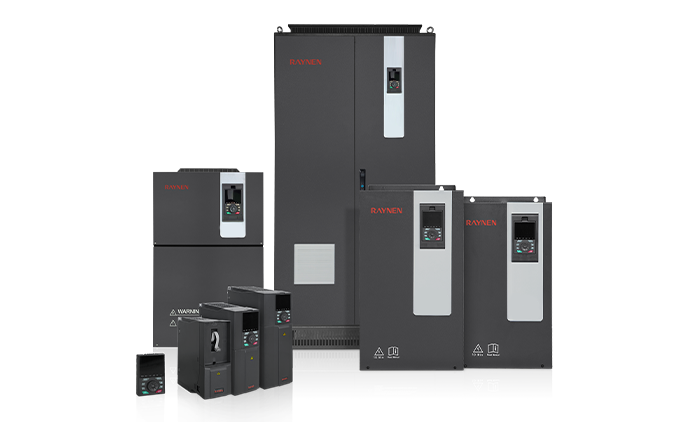
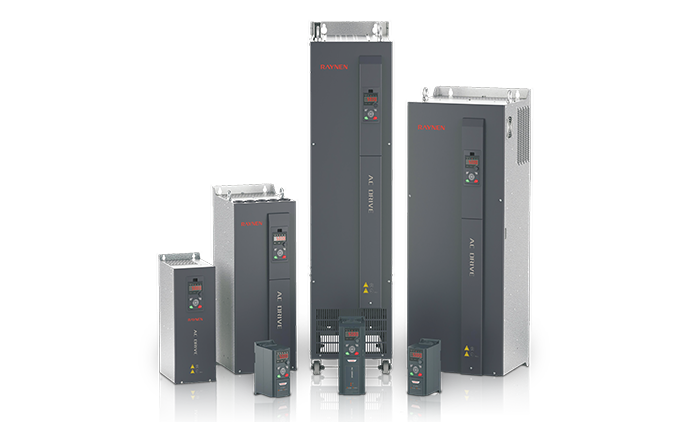
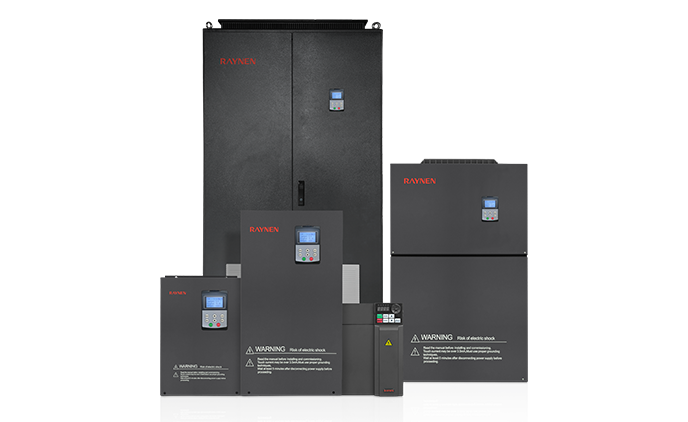
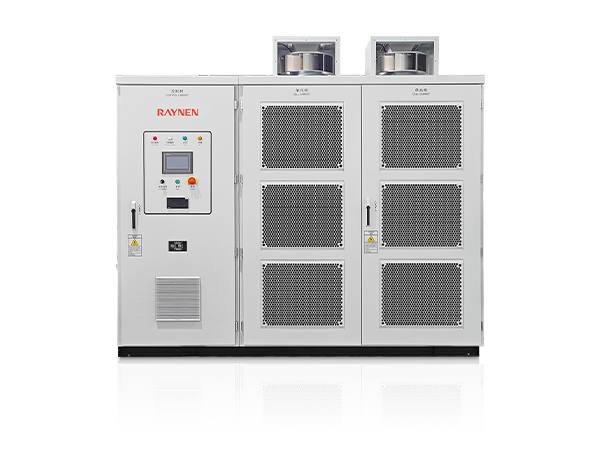
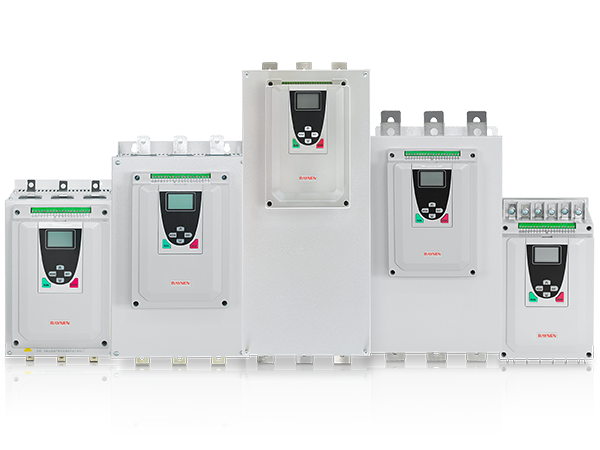
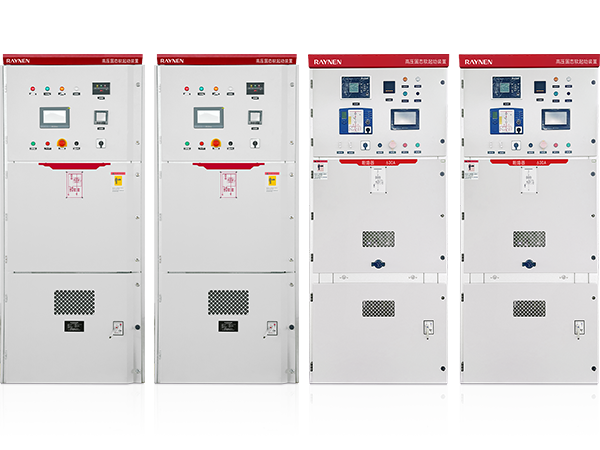
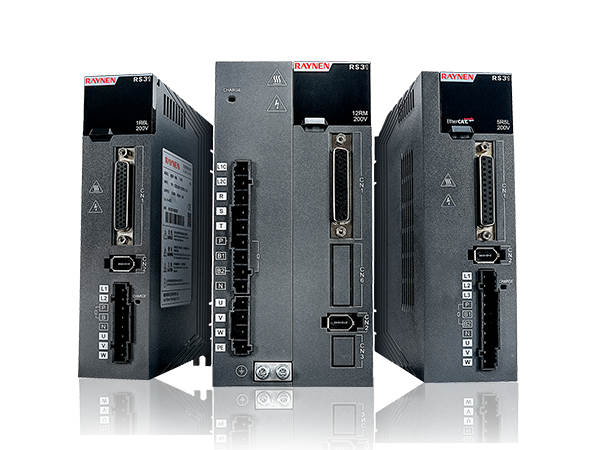









1.Introduction to AC Drives (Variable Frequency Drives) In the realm of modern industrial control an......
READ MOREHome / News / Industry News / Maximizing Industrial Efficiency: A Technical Guide to Low-Voltage Variable Frequency Drive Selection and Optimization
Maximizing Industrial Efficiency: A Technical Guide to Low-Voltage Variable Frequency Drive Selection and Optimization
Content
Core Functionality and Operational Mechanics of Low-Voltage VFDs
A Low-Voltage Variable Frequency Drive (VFD) is a critical power electronic device used to control the speed and torque of AC motors by varying the frequency and voltage of the power supplied. Operating typically at voltages below 600V, these drives convert a fixed-frequency AC input into a DC bus voltage via a rectifier bridge, filter the signal through a capacitor bank, and then invert it back into a pulse-width modulated (PWM) AC output. This precise control allows for significant energy savings, especially in centrifugal applications like pumps and fans where the power consumption is proportional to the cube of the speed.
Beyond simple speed adjustment, modern low-voltage VFDs incorporate sophisticated control algorithms such as Sensorless Vector Control and Permanent Magnet Motor Control. These technologies allow the drive to maintain high torque even at low speeds, providing better dynamic response and precision than traditional across-the-line starters. By reducing the inrush current during motor startup, the VFD also minimizes mechanical stress on belts, gears, and bearings, effectively extending the lifespan of the entire drivetrain.
Critical Technical Specifications for Selection
Voltage and Current Ratings
When selecting a drive, it is essential to match the input voltage (typically 230V, 460V, or 575V) and the Full Load Amps (FLA) of the motor. It is a common mistake to size a VFD based solely on horsepower; however, the current rating is the true limiting factor for the drive's power components. For applications involving heavy-duty starting cycles, a drive with a higher overload capacity—often 150% for 60 seconds—is necessary to prevent nuisance tripping during high-torque demands.
Enclosure Protection Classes
The environment in which the VFD operates dictates the required NEMA or IP rating. In clean, climate-controlled rooms, an IP20 (Open Type) enclosure may suffice. However, in industrial environments prone to dust, moisture, or chemical exposure, IP54 or NEMA 12 enclosures are required to protect the sensitive internal electronics. Proper thermal management, such as heat sinks or external cooling fans, must be considered to prevent the drive from de-rating due to ambient temperature rise.

Comparison of VFD Control Methods
The choice of control logic determines how the drive handles load fluctuations and speed accuracy. The following table summarizes the most common methods used in low-voltage drives:
| Control Method | Best Use Case | Accuracy |
| V/f (Volts per Hertz) | General purpose fans and pumps | Low to Medium |
| Open Loop Vector | Conveyors, Extruders, Mixers | High |
| Closed Loop Vector | Cranes, Hoists, High-precision CNC | Highest (with Encoder) |
Implementation Best Practices and System Protection
Successful installation of a low-voltage VFD requires careful attention to electromagnetic interference (EMI) and power quality. High-frequency switching can induce harmonic distortion back into the power grid or cause reflected wave phenomena, which can damage motor insulation, especially with long cable runs. To mitigate these risks, engineers should implement the following strategies:
- Install AC Line Reactors to reduce harmonic distortion and protect the drive from line surges.
- Use VFD-rated cables with proper shielding and grounding to contain radiated noise.
- Apply dV/dt filters or sine wave filters if the distance between the VFD and motor exceeds 50 meters.
- Utilize shaft grounding rings to prevent bearing pitting caused by common-mode voltage.
Advancements in Smart VFD Technology
The latest generation of low-voltage VFDs goes beyond simple motor control by acting as an edge-computing device for the Industrial Internet of Things (IIoT). These drives are equipped with integrated communication protocols like EtherNet/IP, Profinet, and Modbus TCP, allowing for real-time data streaming to centralized control systems. Predictive maintenance features now allow the VFD to monitor its own internal temperature, fan health, and capacitor wear, as well as external factors like motor vibration and load profile changes. By analyzing these data points, facilities can move from reactive to proactive maintenance, significantly reducing unplanned downtime and optimizing the total cost of ownership.
Previous Post
Why is Selecting the Right Low Voltage Variable Frequency Drive Critical for Motor Longevity?
Next Post
The Essential Guide to Medium-Voltage VFD Topologies and Industrial Applications

Copyright 2024 Fujian Raynen Technology Co.,Ltd. All Rights Reserved.
Privacy Policy  Motor Control Manufacturers