English
 Español
 عربى
عربى
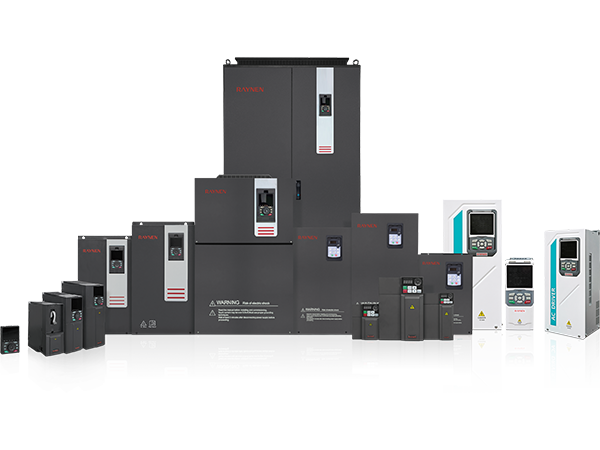
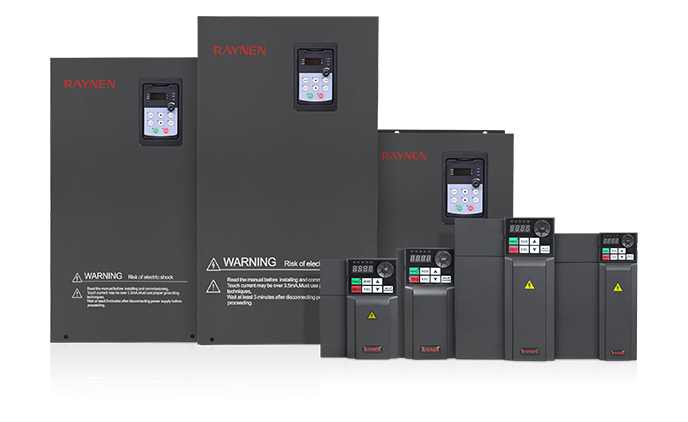
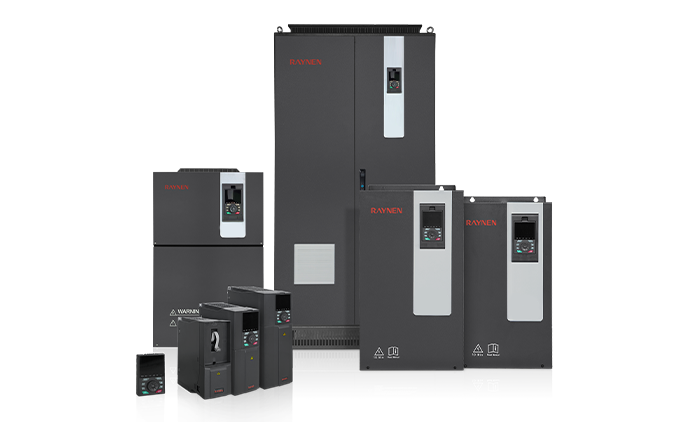
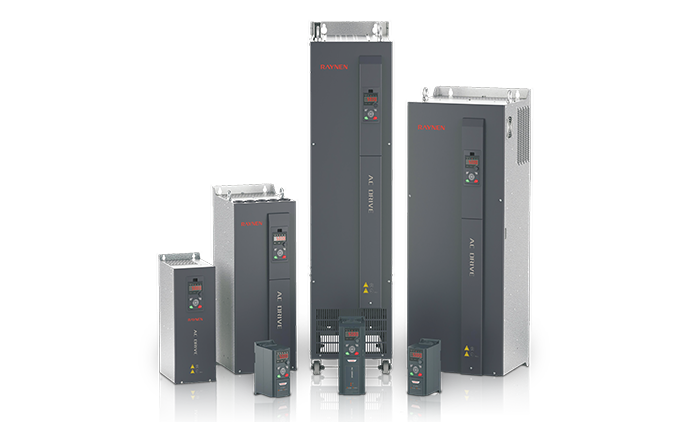
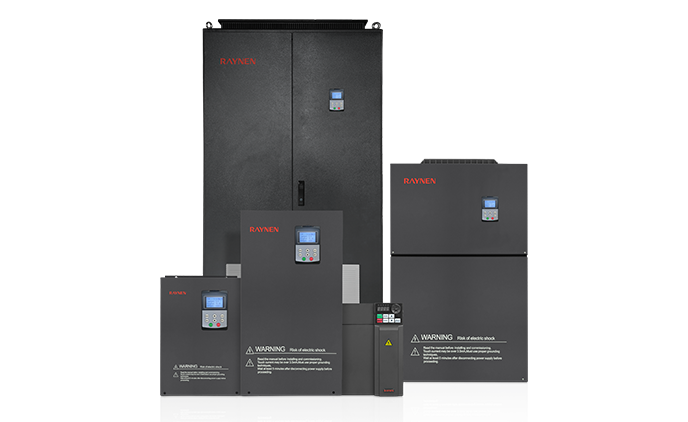








1.Introduction to AC Drives (Variable Frequency Drives) In the realm of modern industrial control an......
READ MOREHome / News / Industry News / Why is Selecting the Right Low Voltage Variable Frequency Drive Critical for Motor Longevity?
Why is Selecting the Right Low Voltage Variable Frequency Drive Critical for Motor Longevity?
Content
Understanding the Core Mechanics of Low Voltage Variable Frequency Drives
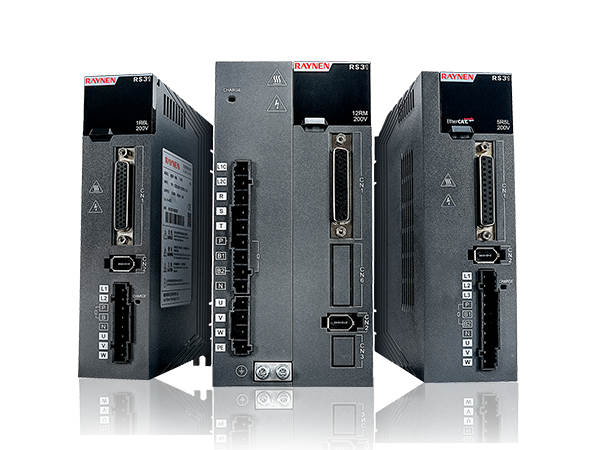
A Low Voltage Variable Frequency Drive (VFD) is a sophisticated power electronics device designed to control the speed and torque of an AC motor by varying the frequency and voltage of the power supplied to it. Operating typically within the range of 230V to 690V, these drives act as an intermediary between the electrical supply and the motor. By converting fixed-frequency AC power into a variable-frequency output, the VFD allows for precise control over mechanical processes, moving away from traditional, inefficient methods like mechanical throttling or across-the-line starting.
The primary internal architecture of a low voltage VFD consists of three main stages: the rectifier, the DC bus, and the inverter. The rectifier converts incoming AC power to DC; the DC bus filters and stores this energy; and the inverter uses Pulse Width Modulation (PWM) to reconstruct an AC waveform at the desired frequency. This level of control is essential for modern automation, where matching motor speed to actual load requirements results in significant energy savings and reduced mechanical wear.
Key Technical Specifications and Selection Criteria
Operational Voltage and Power Ratings
When selecting a low voltage VFD, the most critical factor is ensuring the drive matches the motor’s nameplate voltage and full-load amperage (FLA). Most industrial applications utilize 380V, 460V, or 480V systems. It is vital to size the VFD based on current (Amps) rather than horsepower alone, especially in high-altitude environments or high-ambient temperature zones where derating of the power electronics may be necessary to prevent thermal shutdown.
Control Modes and Performance
Low voltage drives offer various control methodologies depending on the application's complexity. V/Hz (Volts per Hertz) control is suitable for simple fans and pumps, while Sensorless Vector Control provides higher torque at low speeds for conveyors and mixers. For the most demanding applications requiring precise position or torque control, Closed-Loop Vector control using encoder feedback is the preferred choice.
| Application Type | Load Characteristic | Recommended Control Mode |
| Centrifugal Pumps/Fans | Variable Torque | V/Hz Control |
| Conveyors/Extruders | Constant Torque | Sensorless Vector |
| Hoists/Elevators | High Starting Torque | Closed-Loop Vector |
Practical Benefits of Implementing Low Voltage VFDs
Integrating low voltage drives into an industrial ecosystem provides immediate advantages that extend beyond simple speed regulation. One of the most impactful benefits is the "Soft Start" capability. Unlike Direct-On-Line (DOL) starting, which can draw up to 600-800% of the motor's rated current, a VFD ramps the frequency from zero, eliminating high inrush currents and reducing the "water hammer" effect in piping systems.
- Energy Optimization: In centrifugal applications, reducing motor speed by just 20% can result in nearly 50% energy savings due to affinity laws.
- Reduced Maintenance: By eliminating mechanical shock during start-up and shutdown, the lifespan of belts, bearings, and gearboxes is significantly extended.
- Process Automation: Integrated PID controllers allow the VFD to automatically adjust speed based on real-time sensor feedback for pressure, flow, or temperature.
Installation Best Practices and Mitigation of Common Issues
Proper installation is paramount to ensuring the longevity of a low voltage VFD system. Harmonics and Electromagnetic Interference (EMI) are common challenges. Using shielded VFD-rated cables helps contain high-frequency noise that can interfere with sensitive instrumentation. Additionally, for long cable runs exceeding 50 meters, output reactors or dV/dt filters should be installed to protect the motor insulation from voltage spikes caused by reflected waves.
Thermal management within the electrical cabinet is another critical consideration. VFDs generate heat through their switching components; therefore, calculating the required airflow or implementing air conditioning for the enclosure is necessary to maintain an internal temperature below 40°C or 50°C, depending on the drive's rating. Regular inspection of cooling fans and heat sinks will prevent premature failure due to overheating.
Previous Post
Optimizing High-Power Motor Control: A Deep Dive into Medium-Voltage Soft Starter Technology
Next Post
Maximizing Industrial Efficiency: A Technical Guide to Low-Voltage Variable Frequency Drive Selection and Optimization

Copyright 2024 Fujian Raynen Technology Co.,Ltd. All Rights Reserved.
Privacy Policy  Motor Control Manufacturers