English
 Español
 عربى
عربى
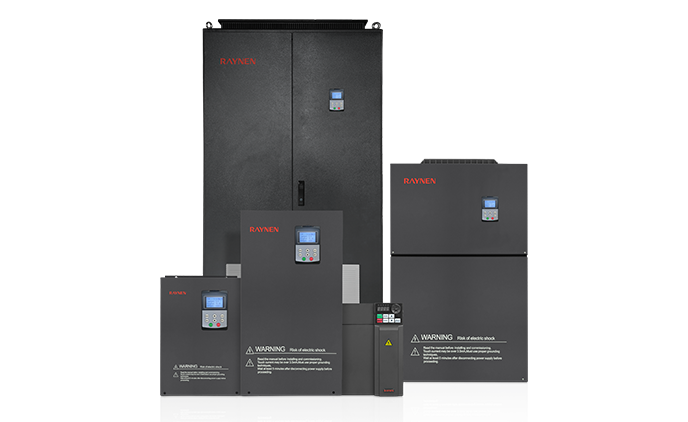
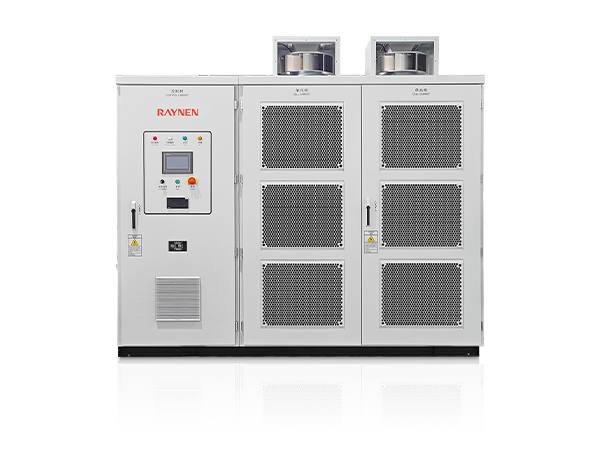
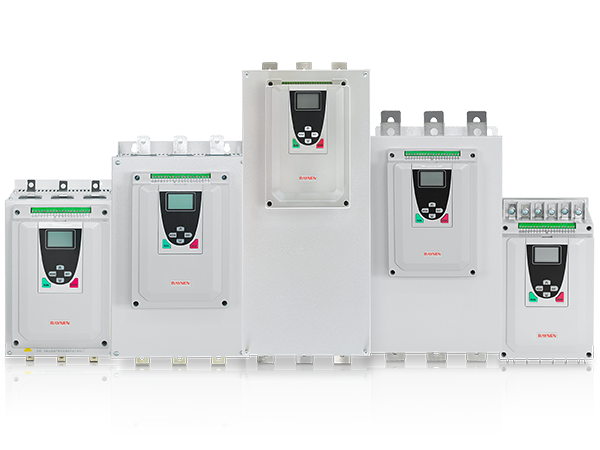
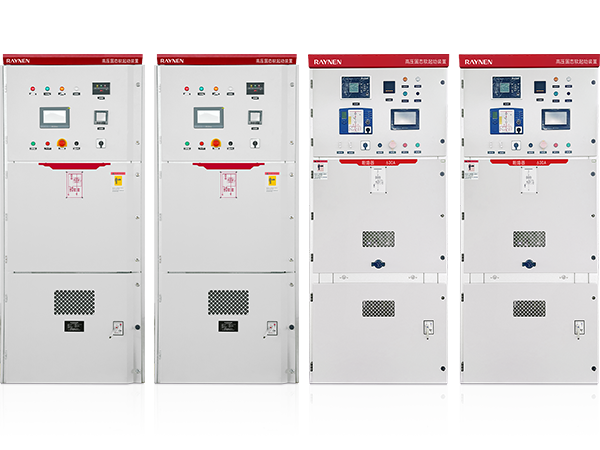
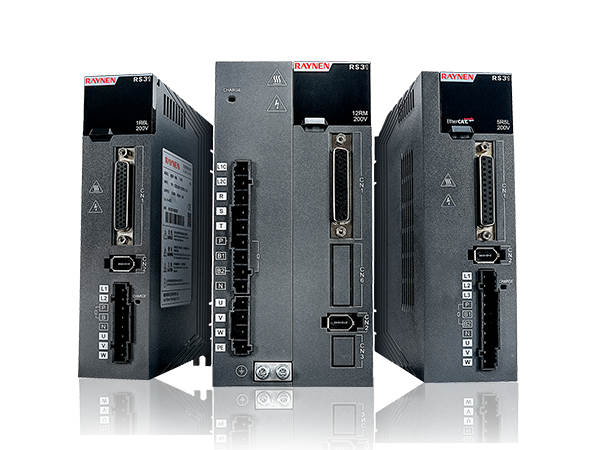


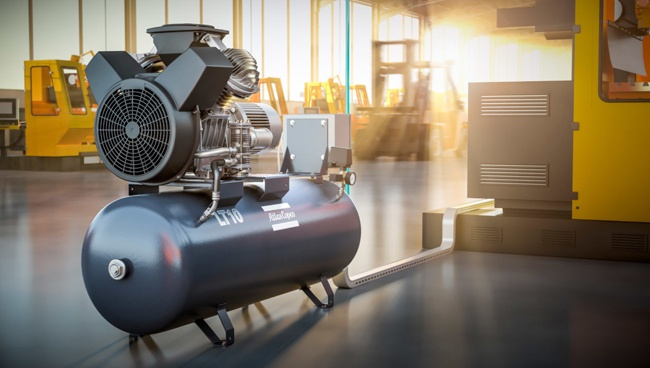









1.Introduction to AC Drives (Variable Frequency Drives) In the realm of modern industrial control an......
READ MOREHome / News / Industry News / Medium-Voltage AC Drives: Sizing, Topologies, and Cooling Without the Jargon
Medium-Voltage AC Drives: Sizing, Topologies, and Cooling Without the Jargon
Content
- 1 What Exactly Is a Medium‑Voltage AC Drive (and Who Needs It)?
- 2 MV vs. LV – Why Bother with Higher Voltage?
- 3 Sizing an MV AC Drive – It's Not Just About Horsepower
- 4 Two Main Topologies – VSI vs. LCI – Which One Wins?
- 5 Cooling and Enclosures – Don't Let It Melt
- 6 Harmonics and the Grid – Keep Your Neighbors Happy
- 7 Installation and Cable Length – The 150‑Meter Rule
- 8 Maintenance – Simpler Than You Think, But Don't Skip It
- 9 Final Checklist – Before You Hit the "Buy" Button
What Exactly Is a Medium‑Voltage AC Drive (and Who Needs It)?
If your plant runs motors bigger than 250 kW (about 350 horsepower), you've probably hit the limit of standard 480V low‑voltage drives. That's where medium‑voltage AC drives come in – they operate from 2.3 kV up to 11 kV and handle motors that draw hundreds or even thousands of amps. Think giant fans, slurry pumps, compressors, conveyors, and rolling mills. But here's the catch: MV drives are a whole different beast compared to their low‑voltage cousins. The components are bigger, the cooling is more complex, and the cost of a mistake is astronomical – we're talking six‑figure price tags and weeks of downtime. This guide cuts through the manufacturer brochures and gives you the practical nuts and bolts you actually need to know.
MV vs. LV – Why Bother with Higher Voltage?
The simple answer is physics. Power equals voltage times current (P = V × I). If you need to push 2 MW into a motor, at 480V you'd need over 4,000 amps – that requires busbars as thick as your arm and cables you can barely bend. At 4.16 kV, the current drops to under 500 amps. Smaller cables, less I²R heat loss, smaller switchgear, and you can place the drive farther from the motor without turning your cables into space heaters. That's why almost every motor above 500 kW in an industrial setting runs on a medium‑voltage AC drive. It's not about being fancy – it's about keeping the copper and the electric bill under control.
Sizing an MV AC Drive – It's Not Just About Horsepower
Sizing a medium‑voltage drive is more art than a simple spreadsheet. Yes, you start with the motor's nameplate – full load amps (FLA), voltage, speed, and power factor. But real‑world applications aren't textbook perfect. Here's what you absolutely must check:
- Overload duty cycle – Does your motor need 110% for 60 seconds, or 150% for 30 seconds? Pump and fan duty is usually light, but crushers and extruders can hit 120% or more regularly. Size the drive's current rating to the maximum overload, not just the running current.
- Altitude derating – Standard MV drives are rated for up to 1,000 meters above sea level. Above that, the air gets thinner and cooling efficiency drops. You'll typically derate the output current by 1% per 100 meters above 1,000 m. Skip this, and your drive will trip on overtemperature during summer.
- Ambient temperature – Most drives are rated at 40°C max. If your electrical room hits 50°C (common in steel mills or desert climates), you'll need to derate or upgrade the cooling system.
- Motor cable length – The longer the cable between the drive and the motor, the higher the capacitance. Above 150–200 meters, you start needing output filters (more on that below). Factor this into your total cost.
A good rule of thumb is to size the drive for at least 115% of the motor's FLA for constant torque applications, and 110% for variable torque (fans/pumps). Always ask the drive manufacturer for a sizing proposal backed by their software – and double‑check the overload curve.
Two Main Topologies – VSI vs. LCI – Which One Wins?
When you open the cabinet of a medium‑voltage AC drive, you'll find one of two fundamental designs: Voltage Source Inverter (VSI) or Load Commutated Inverter (LCI). They sound similar but work completely differently, and picking the wrong one for your application will cost you dearly in performance, efficiency, and reliability.
VSI – The Workhorse (Neutral Point Clamped / Multilevel)
VSI drives use a DC bus with capacitors and synthesize a stepped AC waveform using IGBTs (or IGCTs). The most common MV flavor is the 3‑level or 5‑level NPC (Neutral Point Clamped) topology. They give you clean output waveforms, fast dynamic response, and can run multiple motors from one drive. They're excellent for variable torque loads like fans, pumps, and even high‑performance applications like test stands. The downside? They're more sensitive to grid disturbances, and the DC link capacitors have a finite lifespan (typically 10‑15 years).
LCI – The Muscle (Crushers and Compressors)
LCI drives use thyristors and a DC link inductor – no capacitors. They rely on the motor's back EMF (electromotive force) to turn off the thyristors, which means they only work with synchronous motors (or wound‑rotor induction motors). LCI drives are the kings of very high power – think 5 MW to 50 MW. They're robust, tolerant of grid sags, and naturally regenerative (they can send energy back to the grid when braking). The catch? They produce more harmonics and can't handle multiple motors on the same drive easily.
Here's a side‑by‑side comparison to help you decide:
| Feature | VSI (Multilevel IGBT) | LCI (Thyristor) |
| Typical power range | 250 kW – 10 MW | 3 MW – 50+ MW |
| Motor type | Induction or synchronous | Synchronous (mainly) |
| Harmonics (THDi) | Low (with 18‑pulse or AFE) | Higher – often needs 24‑pulse or filter |
| Regeneration (braking) | Requires active front end (extra cost) | Inherent – natural 4‑quadrant |
| Dynamic response | Fast (good for torque control) | Slower (better for speed control) |
| Relative cost per kW | Higher for low MW, lower for mid‑range | Lower for very high MW |
For 90% of industrial applications in the 500 kW – 5 MW bracket, a VSI multilevel drive is the go‑to. Only go LCI if you're above 5 MW, already have a synchronous motor, or need heavy regenerative braking (like mine hoists).
Cooling and Enclosures – Don't Let It Melt
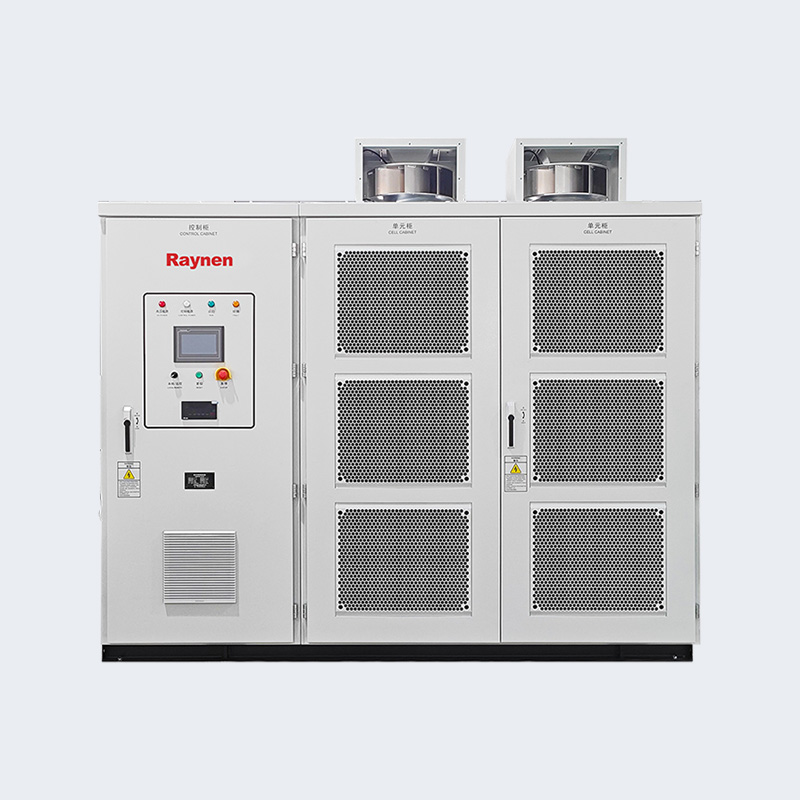
A medium‑voltage drive isn't a tiny black box – it's a room‑sized cabinet. And it dissipates heat – often 2–3% of the total power. For a 2 MW drive, that's 40‑60 kW of heat – the equivalent of a dozen space heaters running full blast. How you cool it determines how long it lives.
- Air‑cooled (IP21 / IP54) – The most common. Forced air pulls cool air from the room and exhausts hot air out the top. You need a well‑ventilated electrical room with enough HVAC to handle the heat load. IP21 is for clean indoor environments; IP54 adds dust and splash protection for harsher spots.
- Liquid‑cooled – Water or glycol runs through cold plates touching the power modules. This is much more efficient – you can extract the heat with a small external chiller and keep the drive cabinet completely sealed. Great for dusty, dirty, or cramped locations. The catch: you need a reliable cooling water system, and leaks are catastrophic. Liquid‑cooled drives are usually more expensive but allow much higher power density.
If you're air‑cooling, never block the top exhaust – you'd be surprised how often someone stacks boxes on top of the cabinet. If you're liquid‑cooling, invest in a conductivity monitor and leak detection sensors – they're cheap insurance.
Harmonics and the Grid – Keep Your Neighbors Happy
Medium‑voltage AC drives are nonlinear loads – they draw current in pulses, which creates harmonics that mess with the voltage waveform. Too many harmonics and you'll trip other equipment, overheat transformers, or get a nasty call from the utility company about power factor penalties. For drives above 1 MW, harmonics are a big deal.
The standard solution is a multi‑pulse rectifier front end. A 12‑pulse rectifier uses a phase‑shifting transformer to cancel the 5th and 7th harmonics, reducing total harmonic distortion (THDi) to around 10‑15%. An 18‑pulse drops it to 5‑8%, and 24‑pulse gets you below 5% – which meets most utility requirements (IEEE 519) without extra filters. The catch? The transformer gets bigger and more expensive with each pulse number. For most plants, 18‑pulse is the sweet spot between cost and compliance. If you absolutely need clean power (like in a hospital or data center), go for an active front end (AFE) – it uses IGBTs to shape the input current, giving you THDi below 3% and unity power factor, but it adds 15‑20% to the drive cost.
Installation and Cable Length – The 150‑Meter Rule
Here's a detail that trips up even experienced engineers: the distance between your medium‑voltage drive and the motor isn't just a logistics issue – it's an electrical one. Long cables have capacitance. When the drive's IGBTs switch fast (high dV/dt), that capacitance creates reflected waves that can double the voltage at the motor terminals. If your motor isn't rated for that, you'll punch through the insulation in months.
For unshielded cables, you can generally go up to 150 meters without output filtering. Between 150 and 300 meters, you need a dV/dt filter – it slows the voltage rise time, reducing stress on the motor. Above 300 meters, you need a full sine‑wave filter – it smooths the PWM waveform into a proper sinusoidal shape, protecting the motor and allowing very long cable runs (up to 1 km or more). Always check the drive manufacturer's cable length tables – they'll specify the maximum distance for each filter option. And never, ever use standard PVC insulated cables for MV drives – go with XLPE (cross‑linked polyethylene) or EPR (ethylene propylene rubber) for the higher voltage ratings.
Maintenance – Simpler Than You Think, But Don't Skip It
Medium‑voltage drives aren't like a cheap VFD you can just swap out. They're built to last 20+ years – but only if you do the basics. Here's a realistic maintenance schedule that won't overwhelm your team:
- Every 6 months: Blow out the cabinets with low‑pressure dry air – dust is the number one cause of heat‑related failures. Check all cooling fans for noise or vibration. Torque down all power connections – thermal cycling loosens them over time, and a loose busbar connection can melt down spectacularly.
- Annually: Inspect the DC link capacitors (for VSI drives) – measure their capacitance and equivalent series resistance (ESR) if you have the equipment. Replace any that show signs of bulging or leaking. Check the control board battery – many drives use a lithium battery to retain parameter memory when powered off. A dead battery means a blank drive when you have a power outage.
- Every 3‑5 years: Hire a qualified service tech to perform a full insulation test (megger) on the power cables and motor. Also, consider re‑gapping or replacing the main contactor parts. Keep a logbook of all trips and fault codes – patterns will tell you if a component is aging out.
One pro tip: always keep a spare set of cooling fans and control fuses on the shelf. These are the most common parts to fail, and waiting two weeks for a replacement fan can shut down your entire process. For the cost of a few hundred dollars, it's the best insurance you can buy.
Final Checklist – Before You Hit the "Buy" Button
To wrap it up, here's a quick sanity‑check list to go through with your vendor or internal team before committing to a medium‑voltage AC drive purchase:
- Does the drive's output current rating comfortably exceed your motor's FLA with overload taken into account?
- Are you within the altitude and temperature limits, or have you applied the correct derating factors?
- Have you chosen the right topology – VSI for flexibility and harmonics control, or LCI for ultra‑high power and regen?
- What's the total cable length – do you need a dV/dt filter or a sine‑wave filter?
- Is the cooling method (air or liquid) compatible with your plant's existing infrastructure?
- Does the rectifier front end (12, 18, 24‑pulse or AFE) meet your utility's harmonic requirements?
- Have you budgeted for spare fans, fuses, and a few years of service contracts?
Medium‑voltage AC drives are a major investment, but they're also one of the most reliable pieces of equipment in a plant when specified correctly. Take your time, ask the tough questions, and remember – the cheapest drive on the bid list is rarely the cheapest drive over its lifetime. Get the specs right, and you'll have a workhorse that keeps your big motors spinning smoothly for decades to come.
Previous Post
Medium-Voltage Soft Starter Explained: How It Protects Your Motors and Saves You Money
Next Post
What Are Low Voltage AC Drives? A Simple Guide to How They Work and Why They Matter

Copyright 2024 Fujian Raynen Technology Co.,Ltd. All Rights Reserved.
Privacy Policy  Motor Control Manufacturers