English
 Español
 عربى
عربى





1.Introduction to AC Drives (Variable Frequency Drives) In the realm of modern industrial control an......
READ MOREHome / News / Industry News / Medium-Voltage Soft Starter Explained: How It Protects Your Motors and Saves You Money
Medium-Voltage Soft Starter Explained: How It Protects Your Motors and Saves You Money
Content
- 1 What a Medium-Voltage Soft Starter Does and Why It Matters
- 2 How a Medium-Voltage Soft Starter Works
- 3 Key Benefits of Using a Medium-Voltage Soft Starter
- 4 Medium-Voltage Soft Starters Compared to Other Starting Methods
- 5 Soft Starter or VFD: Which One Fits Your Application
- 6 Factors to Consider When Selecting a Medium-Voltage Soft Starter
- 7 Maintenance Considerations for Long-Term Reliability
- 8 Final Thoughts on Medium-Voltage Soft Starters
What a Medium-Voltage Soft Starter Does and Why It Matters
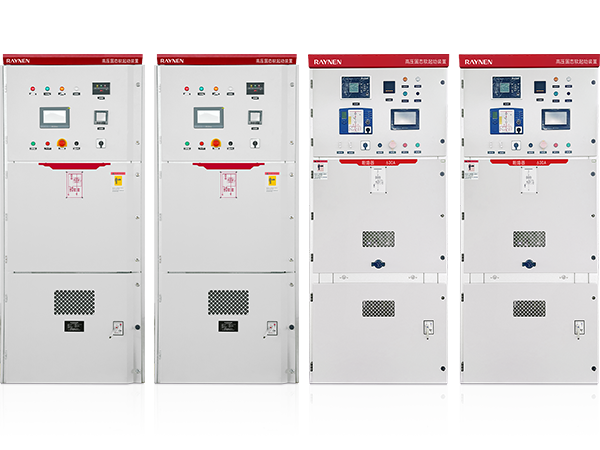
A medium-voltage soft starter is an electronic device used to control the startup of large industrial motors, typically operating in the 2.3 kV to 15 kV range, by gradually ramping up voltage instead of applying full power all at once. When a large motor starts directly across the line, it draws an inrush current that can be six to eight times its normal running current, placing enormous mechanical and electrical stress on the motor windings, coupling, and connected equipment. A medium-voltage soft starter reduces this inrush by controlling the applied voltage during startup, allowing the motor to accelerate smoothly and reach full speed without the harsh mechanical jolt associated with direct-on-line starting.
This gentler startup process is particularly important for large motors driving pumps, compressors, fans, and conveyors in industries like oil and gas, water treatment, mining, and power generation, where unplanned motor failures or mechanical stress on driven equipment can lead to costly downtime and repair bills.
How a Medium-Voltage Soft Starter Works
Understanding the internal operation of a medium-voltage soft starter helps clarify why it's such an effective solution for large motor applications.
Thyristor-Based Voltage Control
Most medium-voltage soft starters use thyristors, also known as silicon-controlled rectifiers, arranged in pairs to control the voltage applied to each motor phase. By adjusting the firing angle of these thyristors, the starter gradually increases voltage from a low starting point up to full line voltage over a controlled ramp time.
Ramp-Up and Current Limiting Modes
Soft starters typically offer multiple starting modes, including voltage ramp, current limit, and torque control, allowing engineers to fine-tune the startup profile based on the specific mechanical characteristics of the load. Current limiting mode, for example, caps the maximum inrush current regardless of load conditions, which is especially useful for protecting sensitive electrical distribution systems.
Bypass Contactors
Once the motor reaches full speed, many medium-voltage soft starter systems use a bypass contactor to route current around the thyristors, reducing heat generation and improving overall system efficiency during normal running operation.

Key Benefits of Using a Medium-Voltage Soft Starter
Facilities that switch to medium-voltage soft starters for their large motor applications typically see measurable improvements across several operational areas.
- Reduced mechanical stress on motor shafts, couplings, and driven equipment during startup.
- Lower inrush current, which reduces voltage sag on the electrical distribution network and minimizes disruption to other connected equipment.
- Extended motor and equipment lifespan due to smoother acceleration and reduced thermal stress.
- Controlled deceleration options, useful for applications like pumps where sudden stops can cause water hammer damage.
- Built-in motor protection features, including overload, phase loss, and stall protection integrated directly into the starter.
Medium-Voltage Soft Starters Compared to Other Starting Methods
Facilities often need to weigh soft starters against other common motor starting methods before making a final equipment decision. The table below compares the most relevant options.
| Starting Method | Inrush Current | Mechanical Stress | Relative Cost |
| Direct-On-Line Starting | Very High | High | Low |
| Medium-Voltage Soft Starter | Low to Moderate | Low | Moderate |
| Variable Frequency Drive (VFD) | Very Low | Very Low | High |
| Autotransformer Starting | Moderate | Moderate | Moderate |
Soft Starter or VFD: Which One Fits Your Application
One of the most common questions engineers face is whether to choose a medium-voltage soft starter or a variable frequency drive for a given application. Soft starters are generally the more cost-effective solution when the application only requires controlled starting and stopping, such as pumps, fans, and compressors that run at a constant speed once started. Variable frequency drives, on the other hand, are better suited for applications that require continuous speed control throughout operation, such as process lines needing variable flow rates. For many fixed-speed applications, a medium-voltage soft starter delivers the mechanical protection benefits needed without the added cost and complexity of full variable speed control.
Factors to Consider When Selecting a Medium-Voltage Soft Starter
Choosing the right soft starter requires careful evaluation of both the motor and the specific application it will support.
- Motor voltage and horsepower rating, to ensure the soft starter is properly sized for the application.
- Load characteristics, since high-inertia loads like large fans require different ramp settings than pumps or compressors.
- Number of starts per hour, which affects thermal management and cooling requirements for the soft starter.
- Integration with existing protection relays and control systems already installed in the facility.
- Environmental conditions, including ambient temperature and altitude, which can affect thyristor derating and cooling design.
Maintenance Considerations for Long-Term Reliability
Like any critical piece of electrical equipment, a medium-voltage soft starter requires regular maintenance to continue operating reliably. Cooling fans and heat sinks should be inspected periodically to ensure proper airflow, since thyristors generate significant heat during operation and can be damaged by inadequate cooling. Electrical connections should be checked and torqued according to manufacturer specifications, as loose connections can cause localized heating and premature component failure. Many modern soft starters also include built-in diagnostic and monitoring features that track performance data over time, helping maintenance teams identify early warning signs of component wear before a failure occurs.
Final Thoughts on Medium-Voltage Soft Starters
A medium-voltage soft starter offers a practical, cost-effective way to protect large industrial motors from the mechanical and electrical stress of direct starting, extending equipment life while reducing strain on the broader electrical distribution network. By understanding how these starters work, comparing them against alternatives like VFDs and autotransformer starting, and carefully evaluating application-specific requirements, facility engineers can select a solution that balances performance, reliability, and cost. With proper maintenance and monitoring in place, a well-chosen medium-voltage soft starter can provide years of dependable motor protection in even the most demanding industrial environments.
Previous Post
What Is a Programmable Logic Controller and How Does It Actually Run a Factory?
Next Post
Medium-Voltage AC Drives: Sizing, Topologies, and Cooling Without the Jargon

Copyright 2024 Fujian Raynen Technology Co.,Ltd. All Rights Reserved.
Privacy Policy  Motor Control Manufacturers