English
 Español
 عربى
عربى
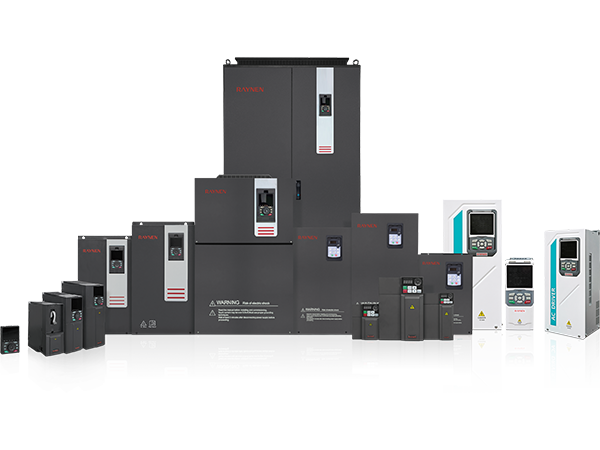
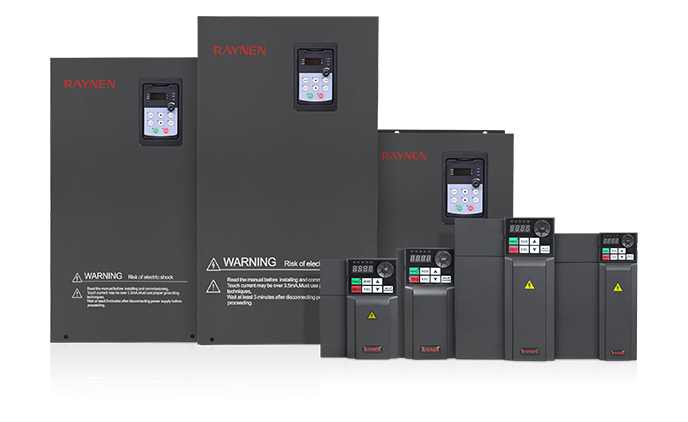
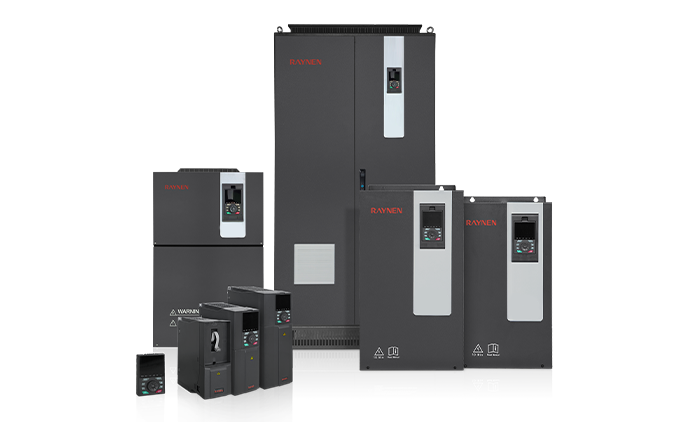
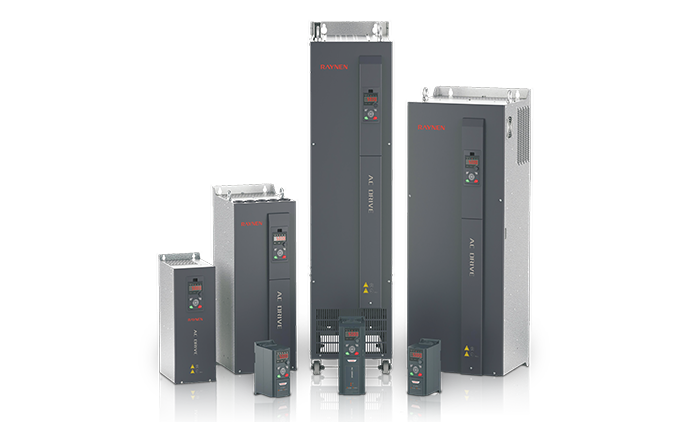
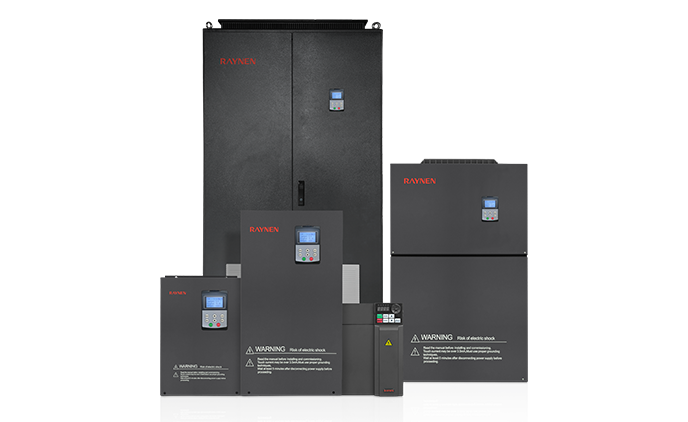
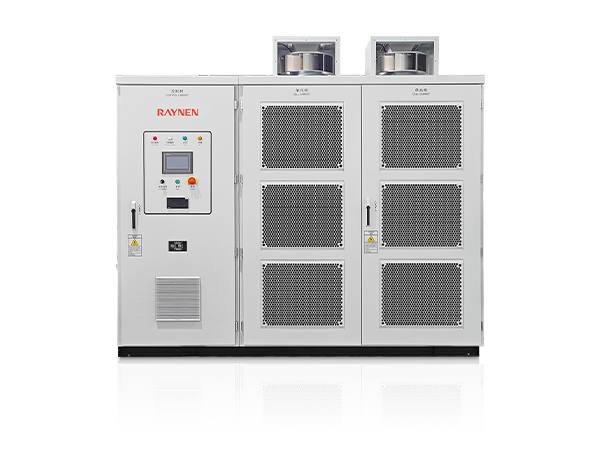
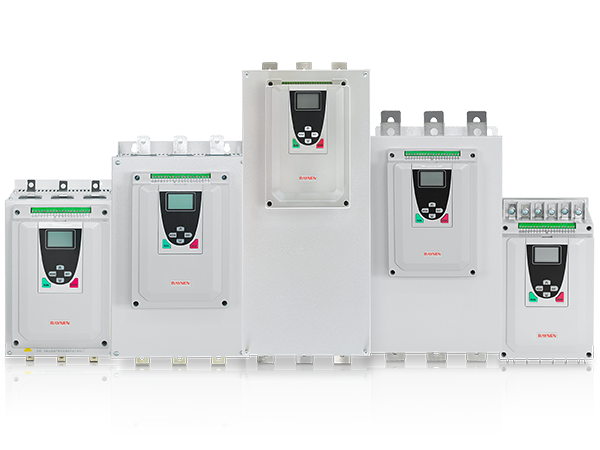
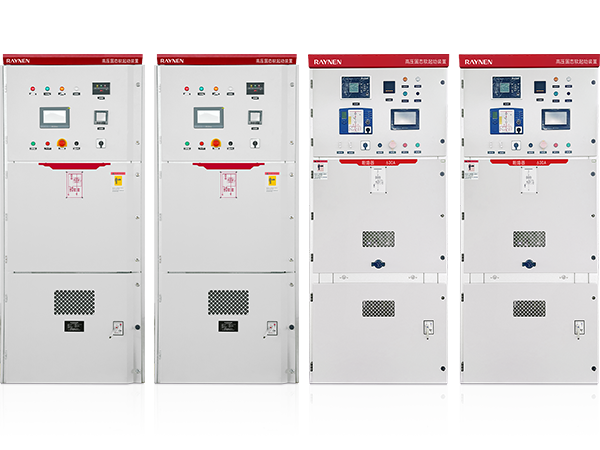








1.Introduction to AC Drives (Variable Frequency Drives) In the realm of modern industrial control an......
READ MOREHome / News / Industry News / What Is a Programmable Logic Controller and How Does It Actually Run a Factory?
What Is a Programmable Logic Controller and How Does It Actually Run a Factory?
Content
- 1 What Is a Programmable Logic Controller and Why Does It Run Modern Factories?
- 2 Core Components of a Programmable Logic Controller
- 3 How a Programmable Logic Controller Processes Information
- 4 Common Programming Languages Used With PLCs
- 5 Industries That Rely on Programmable Logic Controllers
- 6 How to Choose the Right Programmable Logic Controller for Your Application
- 7 Maintenance Practices That Keep a Programmable Logic Controller Reliable
What Is a Programmable Logic Controller and Why Does It Run Modern Factories?
A programmable logic controller, commonly known as a PLC, is an industrial computer designed to automate and control machinery and production processes in real time. Unlike a standard desktop computer, a programmable logic controller is built to withstand harsh factory conditions, including vibration, dust, temperature swings, and electrical noise, while continuously monitoring inputs and triggering outputs based on programmed logic. It reads signals from sensors, switches, and other field devices, processes that information according to a stored program, and then controls actuators like motors, valves, and relays accordingly.
Since its introduction in the late 1960s as a replacement for bulky relay-based control panels, the programmable logic controller has become the backbone of industrial automation. Today, it's found in manufacturing plants, water treatment facilities, packaging lines, and countless other environments where reliable, repeatable control is essential to keeping operations running smoothly.
Core Components of a Programmable Logic Controller
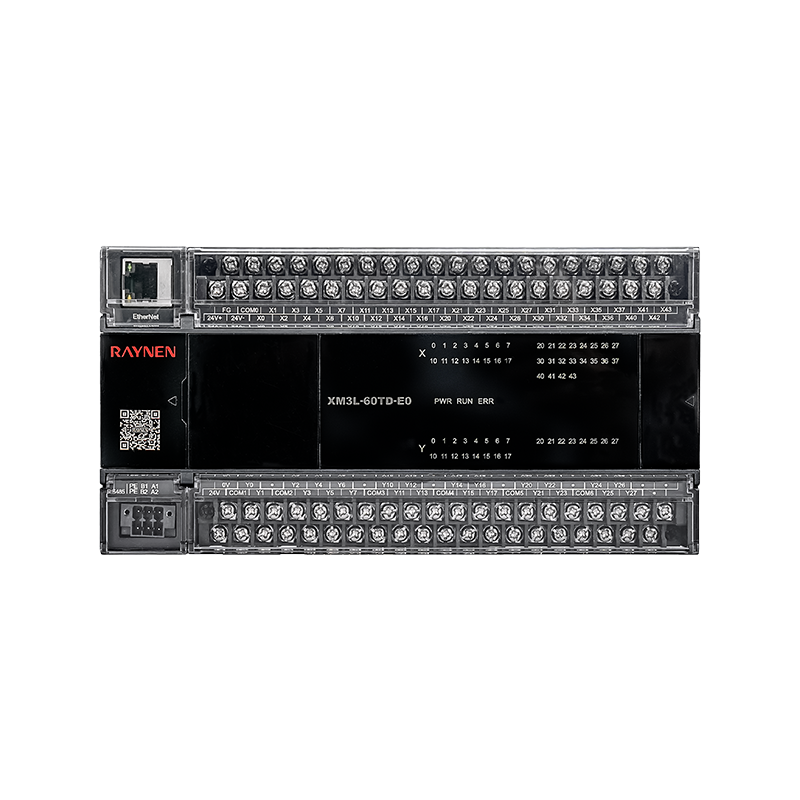
A programmable logic controller consists of several hardware components that work together to receive information, process logic, and control connected equipment.
- CPU (Central Processing Unit): Executes the control program and performs the logical decision-making that drives automation.
- Input modules: Receive signals from sensors, switches, and other field devices, converting real-world conditions into data the CPU can process.
- Output modules: Send control signals to actuators, motors, solenoids, and indicator lights based on the program's logic.
- Power supply: Converts incoming electrical power into the voltage levels required by the PLC's internal circuitry.
- Memory: Stores the control program, variable data, and system settings needed for consistent operation.
- Communication ports: Allow the programmable logic controller to connect with other devices, networks, or human-machine interfaces for monitoring and data exchange.
How a Programmable Logic Controller Processes Information
Every programmable logic controller follows a repeating cycle called the scan cycle, which allows it to continuously monitor and respond to changing conditions on the factory floor.
Input Scan
The PLC reads the current status of all connected input devices, such as sensors and switches, and stores this data in memory for processing.
Program Execution
The CPU runs through the stored control logic line by line, evaluating conditions and determining what actions should be taken based on the current input data.
Output Update
Based on the results of program execution, the PLC updates its output signals, activating or deactivating connected equipment as needed before starting the cycle again.
Common Programming Languages Used With PLCs
Programmable logic controllers can be programmed using several standardized languages, each suited to different types of logic and user preferences.
| Programming Language | Best Suited For |
| Ladder Logic (LD) | Simple relay-style control, most widely used and beginner-friendly |
| Function Block Diagram (FBD) | Process control applications with reusable logic blocks |
| Structured Text (ST) | Complex mathematical operations and advanced logic |
| Sequential Function Chart (SFC) | Step-by-step sequential processes with clear stages |
| Instruction List (IL) | Low-level, text-based programming similar to assembly language |
Industries That Rely on Programmable Logic Controllers
Because of their reliability and flexibility, programmable logic controllers are used across a wide range of industries to automate repetitive or precision-based tasks.
- Manufacturing and assembly lines: PLCs coordinate robotic arms, conveyor systems, and quality control checkpoints for consistent production.
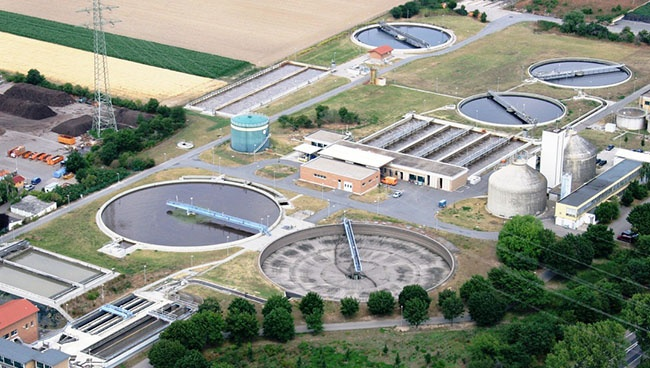
- Water and wastewater treatment: Controllers manage pump stations, filtration systems, and chemical dosing to maintain water quality standards.
- Food and beverage processing: PLCs control mixing, packaging, and temperature regulation to meet safety and consistency requirements.
- Oil and gas operations: Automation systems monitor pressure, flow rates, and safety shutoffs in refining and pipeline operations.
- Building automation: HVAC systems, lighting controls, and elevator operations often rely on PLC-based control systems.
How to Choose the Right Programmable Logic Controller for Your Application
Selecting the right PLC involves matching the controller's capabilities to the complexity and scale of the automation task at hand.
Input and Output Count
Count the number of sensors, switches, and actuators your system requires, then choose a PLC with enough input and output channels, plus some room for future expansion.
Processing Speed and Memory
Applications involving complex calculations or high-speed processes require a controller with faster scan times and greater memory capacity to avoid processing delays.
Communication Protocols
Confirm that the programmable logic controller supports the communication protocols used by your existing equipment, such as Modbus, EtherNet/IP, or Profibus, to ensure smooth system integration.
Maintenance Practices That Keep a Programmable Logic Controller Reliable
Routine maintenance helps prevent unexpected downtime and extends the operational life of a programmable logic controller system.
- Keep control cabinets clean and free of dust buildup, which can cause overheating or electrical interference.
- Regularly back up the PLC program so a corrupted file or hardware failure doesn't result in lost programming logic.
- Inspect wiring connections periodically, since loose terminals can cause intermittent faults that are difficult to diagnose.
- Monitor battery backup status on PLCs that rely on battery power to retain memory during outages.
- Update firmware and software periodically to patch security vulnerabilities and improve system performance.
Staying on top of these maintenance tasks helps ensure that a programmable logic controller continues operating reliably, minimizing costly downtime and keeping automated processes running exactly as intended.
Previous Post
No previous article
Next Post
Medium-Voltage Soft Starter Explained: How It Protects Your Motors and Saves You Money

Copyright 2024 Fujian Raynen Technology Co.,Ltd. All Rights Reserved.
Privacy Policy  Motor Control Manufacturers