English
 Español
 عربى
عربى
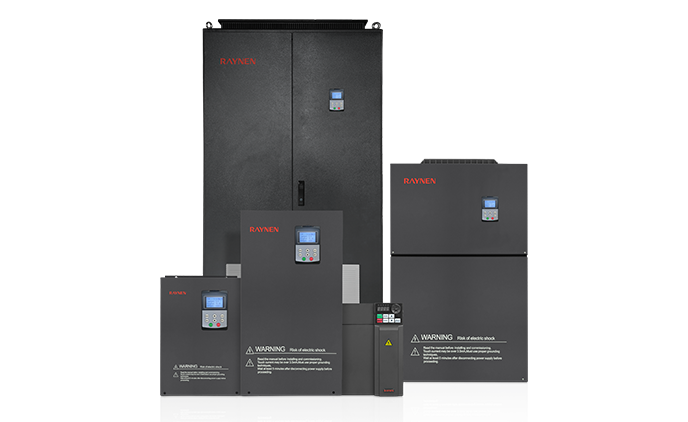
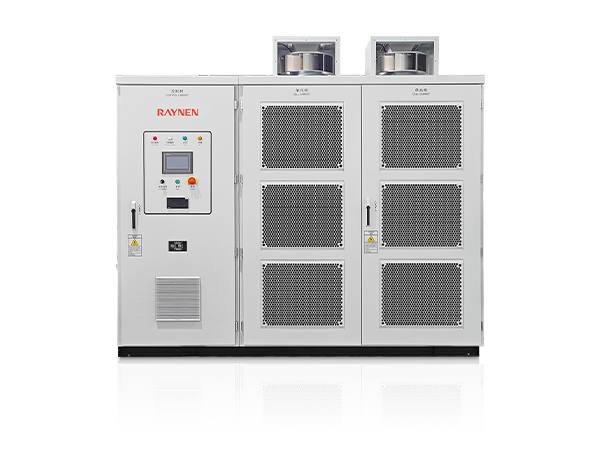
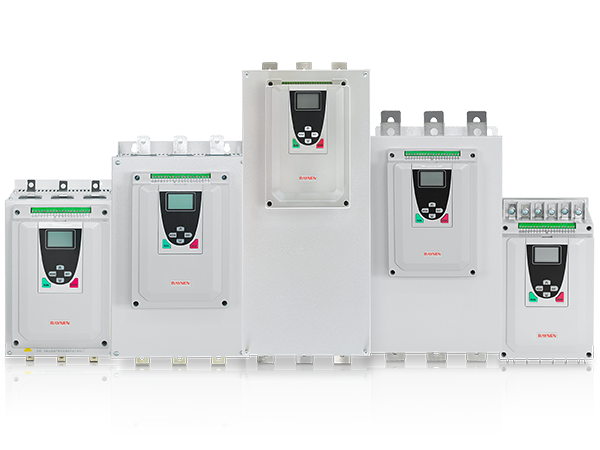
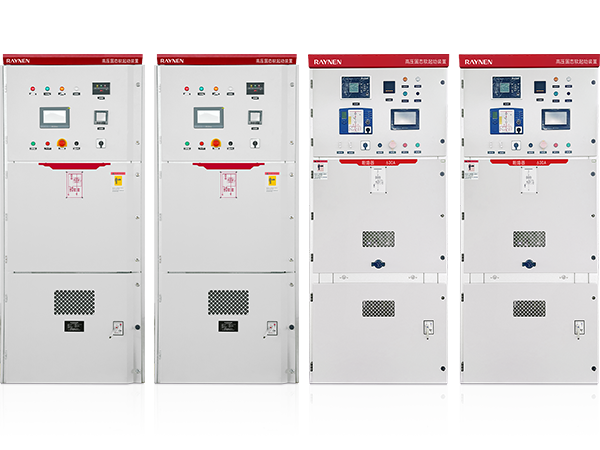
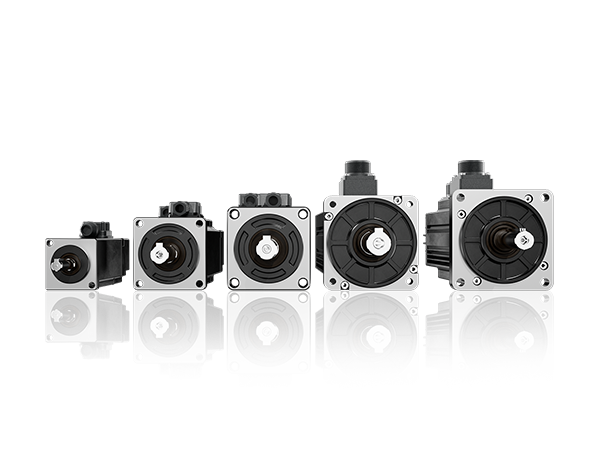
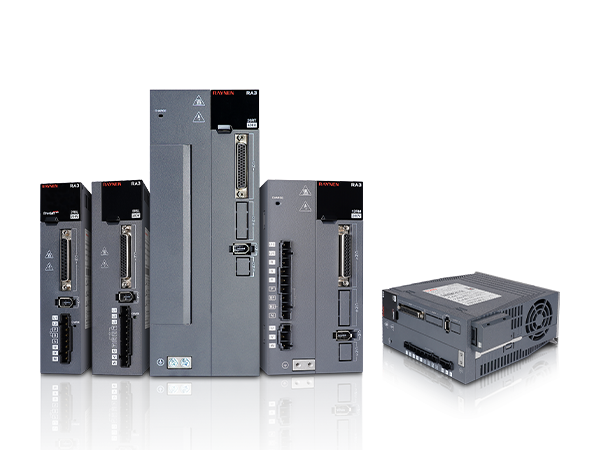
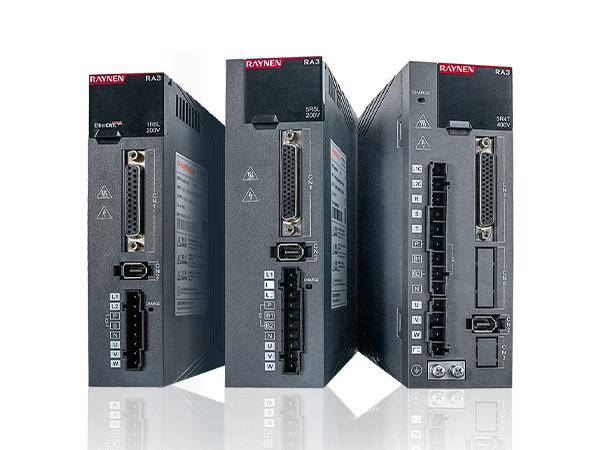
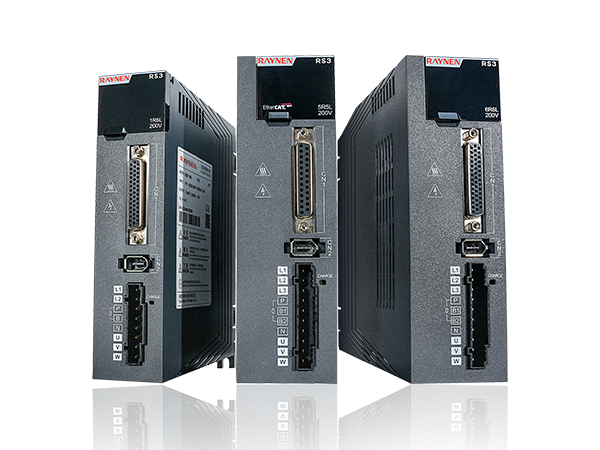





1.Introduction to AC Drives (Variable Frequency Drives) In the realm of modern industrial control an......
READ MOREHome / News / Industry News / Optimizing High-Power Motor Control: A Deep Dive into Medium-Voltage Soft Starter Technology
Optimizing High-Power Motor Control: A Deep Dive into Medium-Voltage Soft Starter Technology
Content
Core Working Principles of Medium-Voltage Soft Starters
Medium-Voltage (MV) soft starters are engineered to manage the startup of high-capacity AC motors, typically operating in the range of 2.3 kV to 15 kV. Unlike traditional across-the-line starters that subject the motor to a massive inrush current—often six to eight times the rated current—the MV soft starter utilizes silicon-controlled rectifiers (SCRs) to gradually increase the voltage. By controlling the firing angle of these SCRs, the device provides a smooth, linear ramp-up of torque and speed. This precise regulation not only protects the electrical grid from voltage dips but also mitigates the mechanical "hammer effect" on couplings and gearboxes.
A critical component of the MV soft starter is the isolation between the high-voltage power section and the low-voltage control circuitry. Most modern units employ fiber-optic signaling to trigger the SCRs, ensuring that the control electronics are completely decoupled from the medium-voltage spikes and noise. This architectural choice is vital for equipment longevity and operator safety in heavy industrial environments like mining, water treatment, and oil and gas processing.
Comparison of MV Starting Methods
Understanding why soft starters are preferred over other methods requires a comparison of performance characteristics. While Variable Frequency Drives (VFDs) offer continuous speed control, the soft starter is often the more cost-effective and robust solution for applications requiring constant-speed operation once the motor has reached its nominal velocity.
| Starting Method | Inrush Current | Mechanical Stress | Cost Efficiency |
| Direct-On-Line (DOL) | 600-800% | Very High | Low Initial Cost |
| Auto-Transformer | 300-400% | Moderate | High Footprint |
| MV Soft Starter | 100-400% (Adjustable) | Low | High ROI |
Advanced Protection and Control Features
Integrated Motor Protection
Beyond merely starting the motor, medium-voltage soft starters act as a comprehensive protection hub. They monitor various electrical parameters in real-time to prevent catastrophic motor failure. Common protection algorithms include:
- Electronic Overload Protection (I²t) calculated based on motor thermal modeling.
- Phase Imbalance and Phase Loss detection to prevent overheating of stator windings.
- Under-voltage and Over-voltage tripping to protect against grid instability.
- Ground fault detection for enhanced operator safety and equipment insulation monitoring.
Soft Stop Functionality
One of the most valuable practical features of an MV soft starter is the "soft stop" capability. In pumping applications, abruptly stopping a high-flow motor can cause "water hammer," which creates massive pressure surges that can burst pipes. The soft starter gradually reduces the voltage at the end of a cycle, allowing the fluid velocity to decrease slowly and safely, significantly reducing maintenance costs on the piping infrastructure.
Installation and Heat Dissipation Considerations
The physical deployment of a medium-voltage soft starter requires careful planning regarding thermal management. While the SCRs are highly efficient, they do generate heat during the ramp-up phase. For this reason, many MV soft starters include an integrated bypass contactor. Once the motor reaches full speed, the bypass contactor closes, allowing the current to flow through a mechanical switch rather than the SCRs. This eliminates the heat generation during steady-state operation and extends the lifespan of the power electronics.
The enclosure design must also account for arc-flash safety and environmental conditions. In industries like cement or mining, the air may be filled with conductive dust. Advanced soft starters utilize sealed cabinets with specialized cooling channels or heat exchangers to ensure that the medium-voltage components remain clean and dry, preventing tracking or flashovers across the insulation barriers.
Key Selection Criteria for Engineers
When specifying a medium-voltage soft starter, it is essential to look beyond the simple horsepower rating of the motor. Designers should evaluate the following technical specifications to ensure system compatibility:
- Duty Cycle: Frequency of starts per hour, which dictates the thermal capacity of the SCR stack.
- Altitude Derating: In high-altitude mining applications, the thinner air reduces cooling efficiency and dielectric strength.
- Communication Protocols: Integration with plant-wide SCADA systems via Modbus, Profibus, or Ethernet/IP for remote monitoring and diagnostics.
- Acceleration Control: Capability to choose between voltage ramp, current limit, or torque control depending on the load type (e.g., centrifugal pump vs. loaded conveyor).
Previous Post
Optimizing Industrial Motor Performance with Medium-Voltage Soft Starters
Next Post
Why is Selecting the Right Low Voltage Variable Frequency Drive Critical for Motor Longevity?

Copyright 2024 Fujian Raynen Technology Co.,Ltd. All Rights Reserved.
Privacy Policy  Motor Control Manufacturers