English
 Español
 عربى
عربى
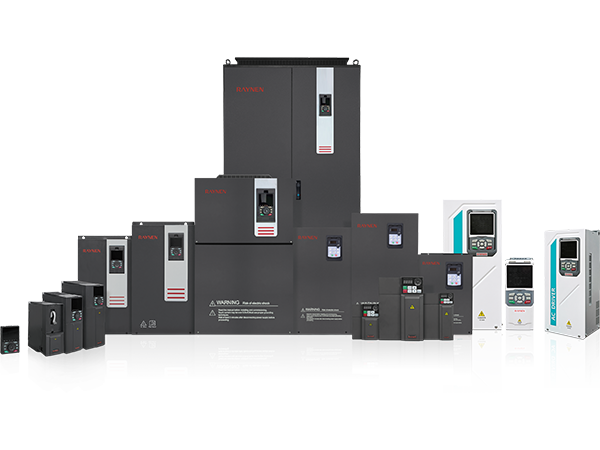
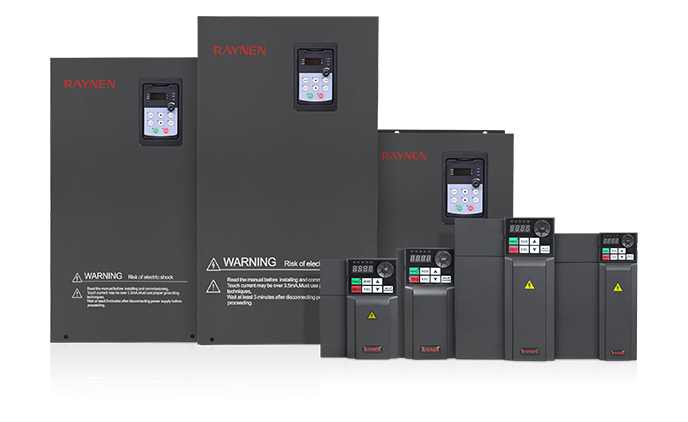
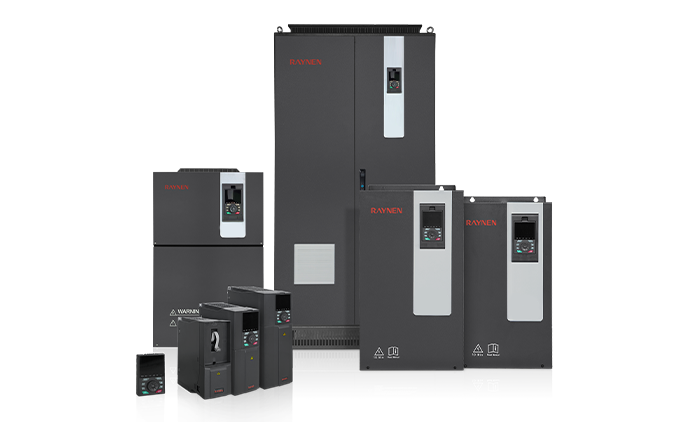
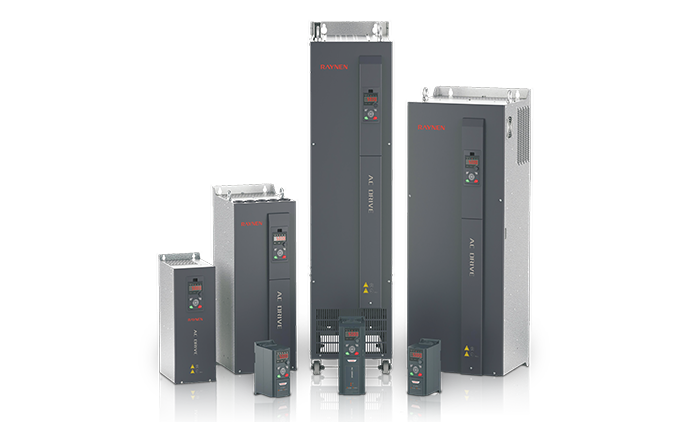
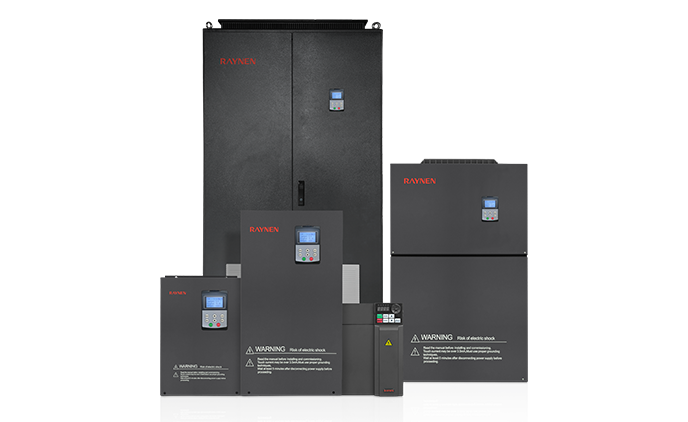
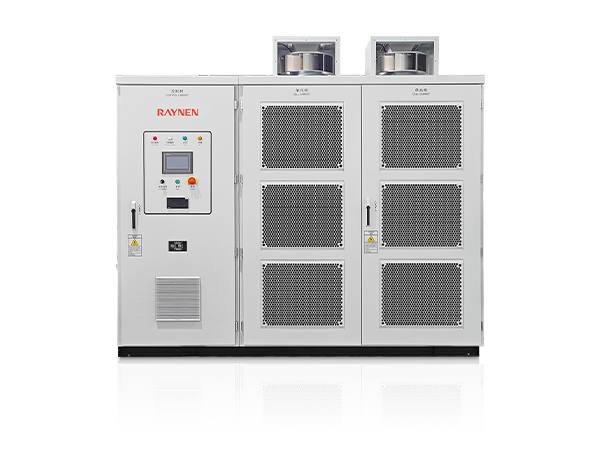
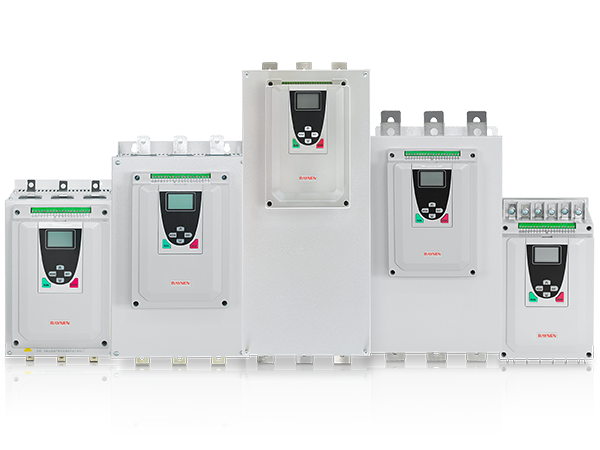
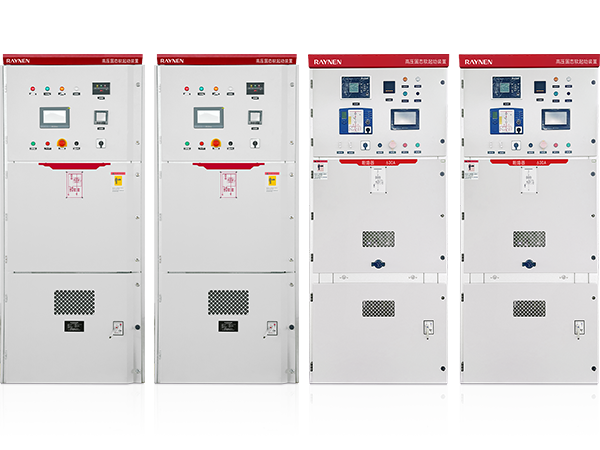












1.Introduction to AC Drives (Variable Frequency Drives) In the realm of modern industrial control an......
READ MOREWhy an AC Servo Motor is the Brains Behind Modern Automation
Content
The Core Mechanics of an AC Servo Motor
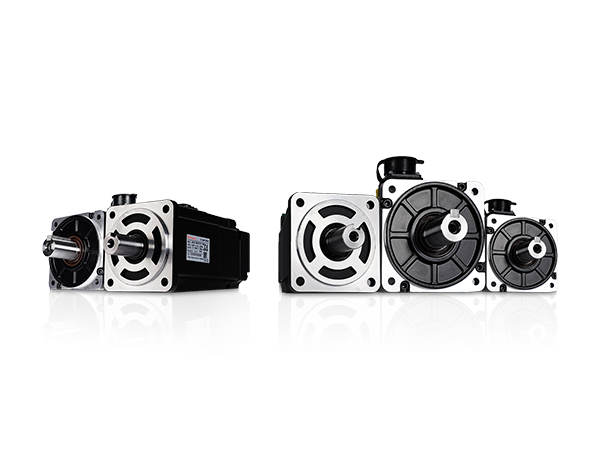
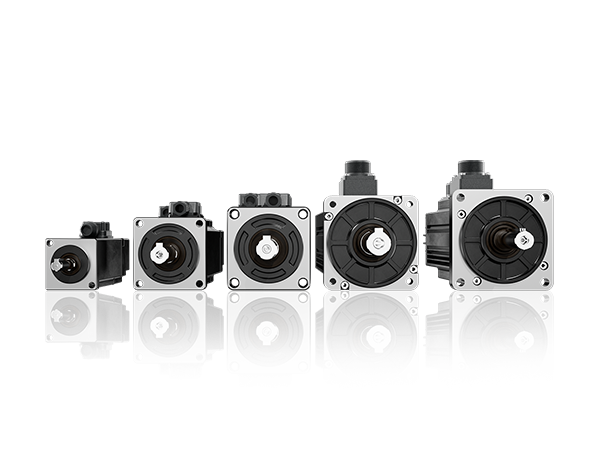
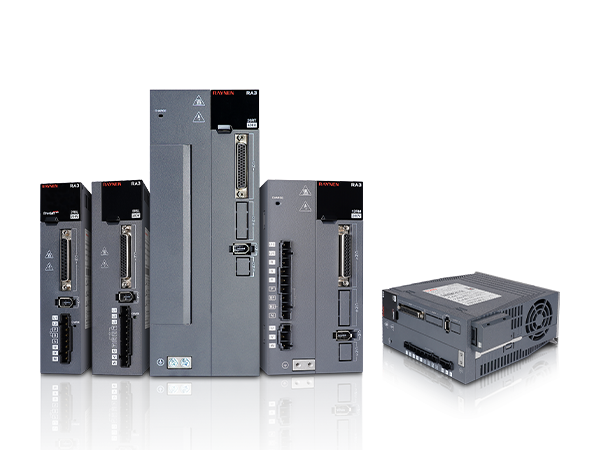
An AC Servo Motor is a sophisticated rotary actuator that allows for precise control of angular position, velocity, and acceleration. Unlike standard induction motors that simply spin when power is applied, a servo system operates using a closed-loop feedback mechanism. The motor itself typically consists of a stator with three-phase windings and a rotor made of permanent magnets. To achieve precision, the motor is paired with an encoder—a sensor that constantly reports the rotor's actual position back to the servo drive (the controller). The drive then compares the target position with the actual position and adjusts the current instantaneously to correct any error. This constant communication is what makes the AC Servo Motor indispensable for tasks requiring high accuracy and repetitive motion.
Understanding Synchronous vs. Asynchronous Designs
Most industrial AC Servo Motors are synchronous, meaning the magnetic field of the rotor rotates at the same speed as the stator’s magnetic field. This is achieved using permanent magnets on the rotor, which eliminate the slip common in traditional AC motors. For very high-power applications, asynchronous (induction) servo motors are sometimes used, but they are generally less efficient for precision motion control. The synchronous design is preferred for robotics and CNC machinery because it offers higher torque-to-inertia ratios, allowing the motor to start and stop almost instantly without overshooting the target position.
Key Advantages in Industrial Automation
The primary reason engineers choose an AC Servo Motor over a DC servo or a stepper motor is its performance at high speeds and its high efficiency. AC servos do not have brushes, which means they require significantly less maintenance and do not produce the sparking (EMI) that can interfere with sensitive electronic equipment. Furthermore, because the current is only applied as needed to reach or maintain a position, they run much cooler than stepper motors, which draw full current even when standing still. This energy efficiency makes them the gold standard for large-scale manufacturing plants where hundreds of motors might be running simultaneously.

Performance Comparison: Servo vs. Stepper Motors
When deciding on a motion control solution, it helps to understand where the AC Servo Motor provides the most value. While stepper motors are cheaper for simple, low-speed tasks, they lack the "intelligence" of a closed-loop servo system.
| Feature | AC Servo Motor | Stepper Motor |
| Control System | Closed-Loop (Feedback) | Open-Loop (No Feedback) |
| High-Speed Torque | High / Consistent | Low (Torque drops with speed) |
| Accuracy | Excellent (Self-correcting) | Good (But can lose steps) |
| Heat Generation | Low (Varies with load) | High (Constant current) |
Common Applications for Precision Motion Control
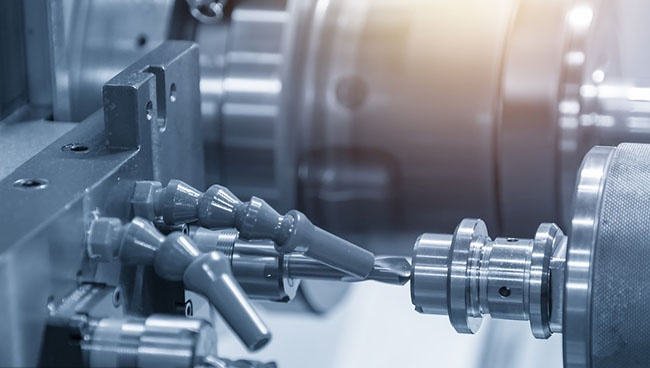
The versatility of the AC Servo Motor allows it to be used in nearly every sector of modern industry. In CNC machining, these motors drive the X, Y, and Z axes to carve intricate parts with tolerances measured in microns. In the packaging industry, they coordinate high-speed "pick and place" robots that must move thousands of items per hour with perfect timing. Other common uses include specialized medical equipment, such as surgical robots and imaging scanners, as well as aerospace components where weight, reliability, and precision are critical. If a machine needs to move quickly and stop at an exact point every single time, it is almost certainly powered by an AC servo system.
Choosing the Right Servo for Your Project
- Calculate the required torque for the load, including the "peak torque" needed for rapid acceleration.
- Match the motor’s inertia to the load inertia to ensure stable control and avoid vibration.
- Select an appropriate encoder resolution—higher counts per revolution provide smoother motion and better positioning.
- Ensure the servo drive supports the communication protocols (like EtherCAT or CANopen) used in your main controller.
Maintenance and Long-Term Reliability
Because AC Servo Motors are brushless and often sealed to IP65 or IP67 standards, they are incredibly durable. However, their longevity depends on proper installation. One of the most common causes of failure is shaft misalignment, which puts excessive stress on the bearings and can eventually damage the internal encoder. Regular inspection of the coupling and ensuring the motor stays within its rated temperature range will prevent the permanent magnets from demagnetizing. Additionally, protecting the cables from excessive flexing or electromagnetic interference (EMI) is vital to ensure the feedback signal remains clean and accurate.
Ultimately, the AC Servo Motor represents the pinnacle of electromechanical engineering. It provides the strength of an AC motor with the surgical precision of digital control, enabling the high-speed automation that defines 21st-century manufacturing.
Previous Post
Low-Voltage Soft Starter: How It Works, When to Use It, and How to Choose the Right One
Next Post
What a Soft Starter Is Used For

Copyright 2024 Fujian Raynen Technology Co.,Ltd. All Rights Reserved.
Privacy Policy  Motor Control Manufacturers